








































Inspirational Media Articles
Below are key excerpts of some of the most inspiring news articles from reliable news media sources. If any link fails to function, a paywall blocks full access, or the article is no longer available, try these digital tools.
For further exploration, delve into our Inspiration Center.

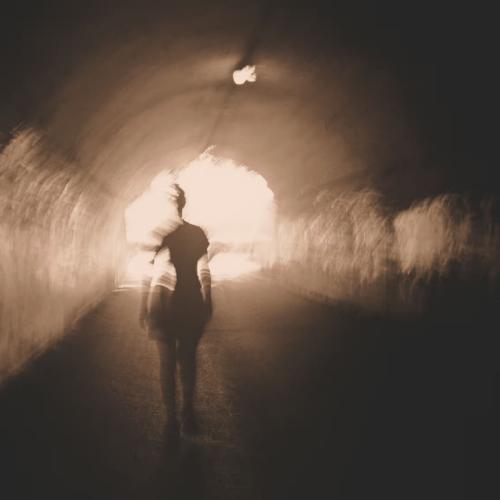
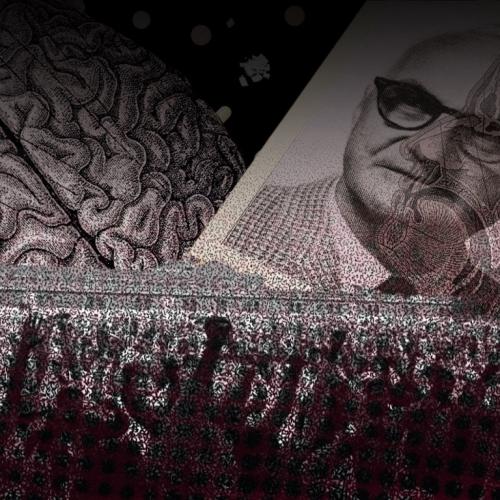
Jimo Borjigin, a professor of neurology at the University of Michigan ... took the first close look at the record of electrical activity in the brain of Patient One after she was taken off life support. After Patient One was taken off oxygen, there was a surge of activity in her dying brain. Areas that had been nearly silent while she was on life support suddenly thrummed with high-frequency electrical signals called gamma waves. In particular, the parts of the brain that scientists consider a “hot zone” for consciousness became dramatically alive. Since the 1960s, advances in resuscitation had helped to revive thousands of people who might otherwise have died. About 10% or 20% of those people brought with them stories of near-death experiences in which they felt their souls or selves departing from their bodies. According to several international surveys and studies, one in 10 people claims to have had a near-death experience involving cardiac arrest, or a similar experience in circumstances where they may have come close to death. That’s roughly 800 million souls worldwide who may have dipped a toe in the afterlife. If there is consciousness without brain activity, then consciousness must dwell somewhere beyond the brain. Parapsychologists point to a number of rare but astounding cases. One of the most famous is about a woman who apparently travelled so far outside her body that she was able to spot a shoe on a window ledge in another part of the hospital where she went into cardiac arrest; the shoe was later reportedly found by a nurse.
Note: Read more about the fascinating field of near-death experiences. Explore more positive stories like this in our comprehensive inspiring news articles archive focused on solutions and bridging divides.
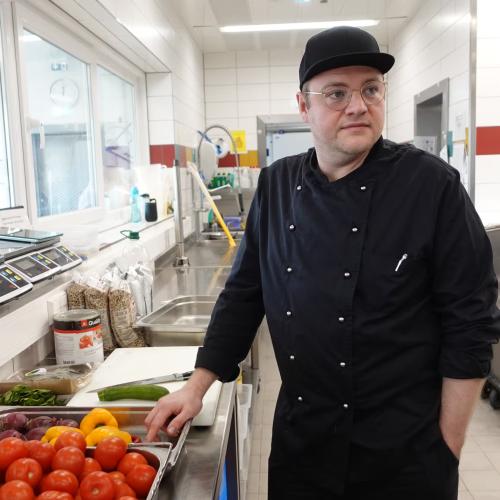
Patrick Burrichter did not think about saving lives or protecting the planet when he trained as a chef. But 25 years later he has focused his culinary skills on doing exactly that. On the outskirts of Berlin, Burrichter and his team cook for a dozen hospitals that offer patients a “planetary health” diet – one that is rich in plants and light in animals. Compared with the typical diet in Germany, known for its bratwurst sausage and doner kebab, the 13,000 meals they rustle up each day are better for the health of people and the planet. In Burrichter’s kitchen, the steaming vats of coconut milk dal and semolina dumpling stew need to be more than just cheap and healthy – they must taste so good that people ditch dietary habits built up over decades. The biggest challenge, says Burrichter, is replacing the meat in a traditional dish. Moderate amounts of meat can form part of a healthy diet, providing protein and key nutrients, but the average German eats twice as much as doctors advise. Patients on the wards of Waldfriede praise the choice of meals on offer. Martina Hermann, 75, says she has been inspired to cook more vegetables when she gets home. Followers of the planetary health diet need not abandon animal products altogether. The guidelines, which were proposed by 37 experts from the EAT-Lancet Commission in 2019, translate to eating meat once a week and fish twice a week, along with more wholegrains, nuts and legumes.
Note: Explore more positive stories like this in our comprehensive inspiring news articles archive focused on solutions and bridging divides.
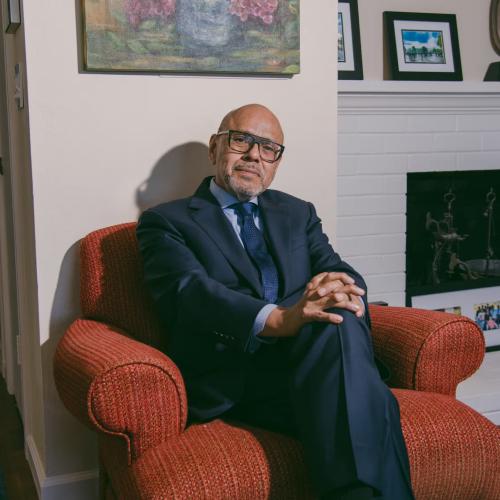
Although it happened more than 60 years ago, Antonio Salazar-Hobson remembers every detail of his kidnapping. After being snatched from his back yard, he is taken into a nightmarish landscape of sex trafficking, violence and exploitation. Rather than being broken by what he experienced, he instead rose from the ashes of his stolen childhood to accomplish extraordinary academic feats and become one of the US’s most successful labour rights attorneys, representing vulnerable and powerless communities, and dedicating his life to justice and compassion. “I chose not to be obliterated by the abuse and trauma I was forced to endure,” he says. “Instead of being swallowed by the darkness, I survived by walking towards the light.” He has taken on multibillion-dollar corporations, represented First Nation people and LGBTQ+ farm worker communities, and won every case. “I’m used to people underestimating me, this poor Chicano boy going up against rooms full of corporate lawyers in suits, but I always prevail,” he says. He now plans to dedicate the rest of his life to the anti-trafficking movement. “It is my hope that somehow my story can be of service to the community of survivors of sexual assault and trafficking; what happened to me can show other kids that they don’t have to be ashamed, that they can rise up to become whoever they want to be. I want to show them that I refused to be broken and, in the end, I ... made it home.”
Note: Explore more positive stories about ending human trafficking.
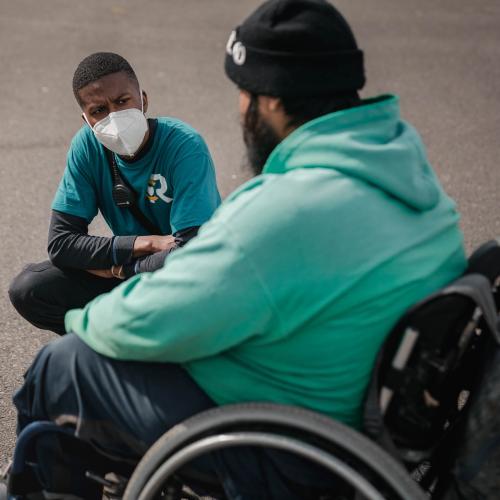
People experiencing mental or behavioral health crises and addiction have often been subject to police use of force, arrest and incarceration. [There are] efforts around the country to change that. One of the most common new approaches ... are civilian co-responder programs, in which behavioral health specialists, often social workers, show up to certain emergency calls alongside police. These can include situations like suicide threats, drug overdoses, and psychiatric episodes. Typically, the officers on the team have special training in crisis intervention. Generally, these teams aim to de-escalate any crisis or conflict, avoiding arrest and solving the reason for the emergency call, especially if it’s a simple one. This week, the New Jersey Monitor reported that one call “for a welfare check on a woman with anxiety ended with the [state] trooper picking up her new cell phone from the post office and fixing a broken toilet” and the emergency call screener setting up her new phone. The Monitor also found that the program avoided arrests or police use of force in 95% of responses. The B-HEARD program in New York City, which is just three years old in a diverse city of 8.5 million, responded to roughly a quarter of mental health calls in precincts where it operated in the first half of 2023. Mental health calls make up 10% of all 911 calls in the city. In Denver, a study of the city’s STAR program found the alternative response model reduced low-level crime.
Note: Explore more positive stories about repairing the criminal justice system.
There was a lot that Army veteran Alex Dillman lost when he became a paraplegic after an IED blew up under his legs in Afghanistan, but now an unlikely activity has allowed him to take some of what he lost back. Hurtling through the air at 120 mph, Dillman doesn’t need his wheelchair to skydive; he doesn’t really need his legs either. In that unique state of concentration and freedom, he says he’s “expected to perform,” a do-or-die state of mind that he says he hasn’t felt since his old life on deployment. Dillman originally saw adventure therapy as a way to combat depression and PTSD he suffered from in the wake of his lost abilities, but he never imagined it would help him get some of those abilities back. Now he’s part of an adventure therapy non-profit called Skydive First Project, where he utilizes outdoor adventures to assist individuals suffering from PTSD and depression. Based in Tampa, activities encompass hiking, kayaking, rock climbing, horseback riding, scuba diving, and tandem skydiving. “[The] great thing about skydiving is that it gets me out of the chair,” said Dillman. “I don’t bring my chair with me, so I’m in a free state. I don’t need to be in the chair to perform the act of skydiving.” “I can feel my legs and my feet to a certain extent. I can get a better sense of my overall being, feel what my legs are doing, feel what my hips are doing. Having that feeling again ... even if it’s for 30 seconds or 60 seconds ... is enough for me!”
Note: Read more inspiring news articles on incredible people with disabilities.
A study of 140 overweight or obese adults enrolled in a weight loss program found that higher levels of self-compassion, particularly self-kindness, were linked to reduced negative feelings following a dietary lapse. Individuals who practiced self-kindness tended to feel less guilty and more positive about themselves despite the setback. Afterward, they reported feeling more in command of their eating habits, suggesting that self-compassion can help people regain a sense of agency after a lapse. The research from the Center for Weight, Eating and Lifestyle Sciences (WELL Center) at Drexel University, published in Appetite, found that when study participants had more self-compassionate responses to their lapse, they reported better mood and self-control over their eating and exercise behavior in the hours following the lapse. “Many people worry that self-compassion will cause complacency and lead them to settle for inadequacy, but this study is a great example of how self-compassion can help people be more successful in meeting their goals,” said [lead author] Charlotte Hagerman, PhD. “The next time you feel the urge to criticize yourself for your eating behavior, instead try speaking to yourself with the kindness that you would speak to a friend or loved one.” For example, instead of a person saying to his or herself, “You have no willpower,” reframe it to a kinder – and truer – statement: “You’re trying your best in a world that makes it very difficult to lose weight.”
Note: Explore more positive stories like this in our comprehensive inspiring news articles archive focused on solutions and bridging divides.
Faith Snapp has never let her blindness get in the way of pursuing her dreams. A 22-year-old Texas native who is legally blind, Snapp was accepted into the Texas Tech University School of Veterinary Medicine. “My entire life, my family has raised horses and goats for as long as I can remember,” Snapp shared. “I always loved animals.” Snapp and her twin brother were both born prematurely — and with very limited vision. Snapp has had a guide dog since high school, but she has never let her disability come across as a limitation. She was in several clubs in high school and even worked at local animal clinics. While her blindness may have been a challenge at first, she “needed” people to come alongside her and support her dreams. “I just needed to find the people and the accommodations and the places that would be willing to help me,” the 22-year-old student [said]. “That was a little bit challenging because I think oftentimes people place limitations on somebody with a disability because they assume that they are limited.” Snapp will begin classes in August, and hopes to pursue a career as a mixed-animal veterinarian, working with both large and small animals. It doesn’t matter what challenges a person may be facing, Snapp said; people should not give up on their dreams. “No matter who you are or what your circumstances… anything is possible,” she said. “I just hope my story can help others realize that you can accomplish anything you set your mind to.”
Note: Read more inspiring news articles on incredible people with disabilities.
Daniel Carcillo wanted two things in life: to play hockey and to be a father. By 30, he was a two-time Stanley Cup winner. By age 31, he was suicidal. After seven diagnosed concussions, Carcillo tells CNN that he was suffering from “dementia-like” symptoms, along with depression, anxiety and headaches. Carcillo says he also suffered from insomnia and disrupted sleep. He spent over $500,000 on prescription medications and treatments at stroke rehabilitation centers, brain centers, and concussion centers, as well as holistic therapies. Then in a “last-ditch effort” to try and alleviate his symptoms, he says he took a dose of psilocybin – the main psychoactive ingredient in magic mushrooms – in Denver, which became the first US city to decriminalize hallucinogenic mushrooms. “And I woke up the next day and I describe it as feeling the way I should,” said Carcillo. “I felt like, for the first time in a very, very long time, I had a zest for life. All I wanted to do was get on FaceTime and call my wife and call my kids and get back home.” Carcillo isn’t the only athlete – former or current – openly talking about using psychedelics to treat various conditions. In 2022, residents in Colorado joined Oregon in voting to legalize psilocybin. Small clinical trials have shown that one or two doses of psilocybin, given in a therapeutic setting, can make dramatic and long-lasting changes in people suffering from treatment-resistant major depressive disorder.
Note: Read more about the the healing potential of psychedelic medicine. Explore more positive stories like this in our comprehensive inspiring news articles archive focused on solutions and bridging divides.
They say it takes a village to raise a child. Centered on that concept of communal flourishing, a dementia care village in England has incorporated a day nursery for small children—bringing together young and old for learning and sharing. Stimulation, learning, and fun—these are all activities that are known to delay the progression of dementia, and what better way to add these critical elements of life to a daily regimen than to let a flock of preschoolers do it? Belong is a nonprofit operator of senior homes, specializing in dementia care. This is the first to integrate children. The pioneering facility supports older people to live their lives independently, with access to several shops and services on site. The UK charity Ready Generations partnered with Belong to run the village’s day nursery. Children feature in the daily life of residents and tenants, enjoying experiences together including shared mealtimes, stories, arts and crafts, and exercise. Centered around a vibrant hub of amenities, including a bistro, hair salon, and specialist exercise studio, the site is open to the public, creating a bustling environment with customers from the local community. Similar projects have been pioneered in America as well. The Intergenerational Learning Center at Mount St. Vincent nursing home in Seattle opened its doors to the oldest—and the youngest—in 2015. The 400 adults in that assisted-living center join the kids in daily activities from music and dancing to storytelling and just plain visiting.
Note: Explore more positive stories like this in our comprehensive inspiring news articles archive focused on solutions and bridging divides.
When Garner entered the gates at Louisiana State Penitentiary in Angola, Louisiana, he didn't know what to expect. The maximum security facility has been dubbed "America's Bloodiest Prison" and its brutal conditions have made headlines for decades. It wasn't until five years later that Garner would get his chance to show everyone he wasn't the hardened criminal they thought he was. When the prison warden, Burl Cain, decided to start the nation's first prison hospice program, Garner volunteered. In helping dying inmates, Garner believed he could claw back some meaning to the life he had nearly squandered. For the next 25 years, he cared for his fellow inmates, prisoners in need of help and compassion at the end of their lives. The Angola program started by Cain, with the help of Garner and others, has since become a model. Today at least 75 of the more than 1,200 state and federal penal institutions nationwide have implemented formal hospice programs. The volunteers [in Angola] were issued hospice T-shirts that allowed them free movement through the prison. The primary rule of the hospice program was that no one would die alone. When death was imminent, the hospice volunteers conducted a vigil round-the-clock. The program used medications ... for the palliative care of patients, though the inmate volunteers were not allowed to administer them. The hospice volunteers ... functioned as confidants, giving dying inmates a last chance to get something off their chest.
Note: Explore more positive stories like this in our comprehensive inspiring news articles archive focused on solutions and bridging divides.
Laura Talmus felt helpless when her then-11-year-old daughter Lili kept calling her from school in tears. After her daughter passed away from medical complications in her sleep at age 15 in 2009, Talmus put together a video celebrating her life. When she showed the video, Lili’s classmates were shocked to realize how isolated Lili had felt. The next year, Talmus ... and her husband channeled their grief into forming Beyond Differences, a nonprofit that focuses on raising awareness about social isolation in youth and providing solutions. Talmus believes the social isolation her daughter experienced is affecting students all over the country and contributing to serious health issues, mental health problems, suicide and school violence. Beyond Differences ... has now grown to reach over one million students in all 50 states. On February 16, 2,500 schools [participated] in No One Eats Alone Day, a day of action ... that encourages fifth through eighth graders to mingle, make new friends and become more aware and proactive about social isolation, especially at lunch. “No One Eats Alone is completely rooted in the experience Lili had,” Talmus explains. “For many children, the lunch break or recess are the worst parts, so we started with that.” Beyond Differences sends backpacks or “Belonging Boxes” with a lesson plan, games, toys, art projects, stickers and conversation starters to participating educators, at no cost to the schools.
Note: Explore more positive stories like this in our comprehensive inspiring news articles archive focused on solutions and bridging divides.
A penguin has become a ‘guide-bird’ for a fellow African Penguin with poor eyesight, escorting her around their enclosure to get food and build confidence. The animal helper named ‘Penguin’ has bonded with ‘Squid’ the three-year-old that suffers from cataracts, a debilitating condition that clouds the lens of the eye. Squid is often disoriented during busy feeding times and relies on Penguin’s “unwavering calmness”. Penguin has become Squid’s beacon, guiding her around the enclosure and acting as her ‘eyes’. The hand-reared birds are now inseparable—to the delight of their human keepers at Birdworld who are sharing their remarkable relationship. “The intuitive behavior observed between Penguin and Squid has revealed a remarkable level of empathy and understanding, showcasing the profound connections that can form within the animal kingdom,” said Polly Branham a spokesperson for the aviary in Surrey, England. Having been nurtured within the colony, Squid honed her skills alongside her peers—learning the essence of being a penguin—but she used to be quite anxious about approaching the fish bucket at feeding time. “The excitement of the other penguins created a more unpredictable environment, and she would shy away from this for fear of getting caught in the crossfire of beaks,” explained Branham. “That is how Penguin has been such an enormous help to her. “His stability was something she could rely on.”
Note: Explore more positive stories like this in our comprehensive inspiring news articles archive focused on solutions and bridging divides.
From a Tampa performing arts conservatory comes the story of a blind jazz saxophonist who uses his disability as a teaching tool. He encourages his students to act on instinct; to feel the music through their instruments, and not let the waking world deceive them. “Welcome to every day of my life,” says Matthew Weihmuller in his jazz improvisation class after turning the lights off. “Then we have a big laugh,” he adds. When Weihmuller started playing, he needed braille sheet music, and pieces would take months; even years to learn. As if that weren’t difficult enough, few people in the country were capable of providing braille music, so he started “brailling” his own, with the help of his mom. “They can’t look at their instrument. Now, they have to feel their instrument with their fingers and hands, right?” Weihmuller told Fox 13. “Now, we’ve got to listen to the music. We can’t read it. It forces the students to use their other senses.” During improvisational sessions, a musician has to be ready for sudden changes in time signature or key. This is nearly impossible to express through sheet music. At least in this regard, the children are learning in the best way for this unorthodox, yet traditional form of jazz music. As an educator with blindness, Weihmuller stresses turning any disadvantage into an advantage, a teaching philosophy that has led some students to tell the man that he has changed the way they look at life.
Note: Read more inspiring news articles on the power of art. For more, explore our uplifting Inspiration Center, which focuses on solutions and the best of humanity and life.
Jimena Cordero is chopping up vegetables and fanning them out onto trays. Cordero is the farm manager at Ollin Farms, not far from Boulder, Colo. — she's put together bright pink and purple radishes, apple, fresh turnips. At the meeting with about a dozen local farmers, two state representatives, and the Colorado commissioner of agriculture, [Cordero's father Mark] Guttridge will explain how Boulder county has made creative investments in his farm that could be scaled up to the state or even national level. Before the meeting, Guttridge shows me one of those investments. A dozen sheep mill about in a field bordered by a simple white fence. Around the field is a special moveable type of fencing that Ollin Farms bought using grants from the Boulder County Sustainability Office. It allows them to move the sheep from one field to another, fertilizing as they go. The goal of these investments is "really building up our soil health," he explains. "That relates directly to the nutrient quality and nutrient density of the food — healthy soil grows healthy food." The county also makes an effort to get that healthy food out to different communities to be able to boost public health. That's where the Boulder County Public Health department comes in. It created a coupon program that low-income families — many of mixed immigration status — can use to get free fruits and vegetables from Ollin Farms' farm stand.
Note: Explore more positive stories like this in our comprehensive inspiring news articles archive focused on solutions and bridging divides.
The rich tapestry of life on Earth is fraying, due in large part to human-caused habitat loss and climate change. As more species disappear, researchers are racing to track this global decline in biodiversity to understand its consequences and counteract it through conservation initiatives. Those efforts rely on accurate animal monitoring, which can be difficult, time-consuming and costly. Now, in new research published in the journal iScience, researchers present evidence for a new low-cost, noninvasive tool that can be used to monitor animals: spiderwebs. They're using environmental DNA, or eDNA, which is simply different creatures' DNA just lying around in the environment. Previous work showed that webs are good sources of insect DNA, including what spiders are gorging on. But [evolutionary biologist Morton] Allentoft and [student Josh] Newton wanted to see whether the webs were also trapping DNA from vertebrate animals. So Newton ... collected spiderwebs. Back in the lab, Newton amplified the small amounts of DNA from the webs. They were filled with genetic material from animals. "It was wonderful," says Allentoft. "We could see these kangaroos [and] wallabies." There were nine other mammals, 13 species of birds, the motorbike frog and the snake-eyed skink. In other words, the technique worked. It represents a new way of tracking animal biodiversity and alerting us when we should intervene to conserve native species.
Note: Explore more positive stories like this in our comprehensive inspiring news articles archive focused on solutions and bridging divides.
Last week, the International Court of Justice issued a preliminary ruling that the charge brought by South Africa that Israel is guilty of genocide in Gaza is "plausible." The court called on Israel to take all measures to prevent the killing of civilians in the Palestinian enclave. The war began after Hamas struck southern Israel on October 7, killing some 1,200 people and taking more than 200 hostages. The day of the attack has been described as the deadliest day for Jews since the Holocaust. When [Holocaust survivor Estelle] Laughlin was a schoolgirl in Warsaw, children regularly pelted her and the other Jewish kids with pebbles. "We were so frightened," she recalls. "The antisemitism was right in front of me — it was so visceral." For Laughlin, besides luck, it was her mother and sister who helped her make it out of the camps alive. "Love maintained us," she says. She says she survived with an enduring sense of compassion and love for humanity, including for the Germans. "Without those values, survival would be hardly meaningful," she says. Laughlin says she's holding the Jewish pain of this war alongside the Palestinian pain. "When the dignity of any human being is diminished, the dignity of all humanity is diminished," she says. "Not only in relationship to my community but to any community of innocent people being attacked." When Laughlin considers the Palestinians living in Gaza, she says, "I identify with their plight ... with their isolation that the rest of the world keeps on going on as though nothing happened, and their world is crumbling." "I feel their pain," she adds. She longs for a better way forward.
Note: Check out the 12 organizations working for Israel-Palestine peace. Explore more positive stories like this in our comprehensive inspiring news articles archive focused on solutions and bridging divides.
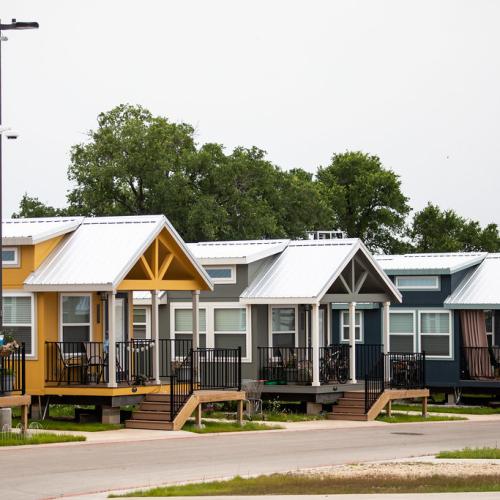
When you imagine a 3D-printed home, you probably picture a boxy concrete structure. As 3D printing’s popularity has grown in the construction industry — thanks to its efficiency when it comes to time, energy and cost — carbon-intensive concrete has become the go-to building material. But a project in Maine has set its sights on something different: a neighborhood of 600-square-foot, 3D-printed, bio-based houses crafted from materials like wood fibers and bioresins. The aim: a complex of 100-percent recyclable buildings that will provide homes to those experiencing houselessness. In late 2022, an initiative between the University of Maine and local nonprofit Penquis unveiled its prototype — BioHome3D, the first 100-percent recyclable house. Now, the pioneering project is working toward completing its first livable housing complex. It will be fully bio-based, meaning all materials will be derived from living organisms such as plants and other renewable agricultural, marine and forestry materials. As the materials are all 100-percent recyclable, so become the buildings. The materials are also all renewable. And thanks to its natural composition, the home acts as a carbon sink, sequestering 46 tons of carbon dioxide per 600-square-foot unit. The materials for this project will mainly come from wood left over by local mills. “The wood fiber material that’s used in the mix is essentially waste wood here in Maine,” says Jason Bird, director of housing development for Penquis.
Note: Don't miss pictures of beautiful homes built by this process at the link above. Explore more positive stories like this in our comprehensive inspiring news articles archive focused on solutions and bridging divides.
Boogying the night away produces meaningful improvements in one's body mass and waist circumference in people who are overweight or obese, a new study found. Dancing was also seen to improve blood pressure, insulin sensitivity, physical fitness, cognitive disorders, hypertension, cardiovascular ailments, diabetes, and mental health—in other words, all the root causes of the non-communicable diseases that kill most people in the West. The researchers believed that dance would be a more ideal form of exercise because it is sustainable—it's a sociable, entertaining way of exercising that participants will enjoy, rather than a drudgery they have to push themselves through. “Dance is effective on fat loss in people overweight and obese and has a significant improvement on body composition and morphology,” said Zhang Yaya, a Ph.D. student at Hunan University, China. To get their results, published in the journal PLoS ONE, the team studied data from 646 participants who were overweight and obese across ten different studies. They found that dance is very effective for improving body composition and showed that more creative dance types had the most pronounced body composition improvement when compared with traditional dance. Improvements were also found in overweight children and patients with Parkinson’s disease.
Note: Explore more positive stories like this in our comprehensive inspiring news articles archive focused on solutions and bridging divides.
When the bell rings at Jerusalem's Hand in Hand school, you hear something that's not common in Israel: the sound of young people's voices rising together in laughter and conversation in both Hebrew and Arabic. Israeli society is largely segregated. The separation begins at kindergarten, when Jewish and Arab children are sent to different schools and experience completely separate education "tracks" or systems. "Arabs go to Arab schools in their neighborhoods and Jews go to Jewish schools in the areas where they live," says Nour Younis, events manager for Hand in Hand. Hand in Hand [was] founded in 1998 by a group of parents who wanted their children to grow up differently. What began as two kindergarten classes in Jerusalem and Galilee has now become six campuses nationwide, with some 2,000 students. The school's eventual goal is to create a fifth track of education within the Israeli school system. Today there are four options: Arab schools and three Jewish tracks — secular, religious and ultra-Orthodox. The students at Hand in Hand campuses are around 60% Arab and 40% Jewish. There is a waiting list of Arab children who would like to attend. Since Oct. 7 ... this school has become a rare oasis of freedom for Palestinians who say they can be harassed or worse for expressing their anguish over the war. "For our students, this is a safe place, a safe environment," says [school vice principal Engie] Wattad.
Note: Explore more positive stories like this in our comprehensive inspiring news articles archive focused on solutions and bridging divides.
Scientists have developed a new type of fuel cell that can provide endless power through electricity harvested from dirt. A team from Northwestern University in the US say the book-sized unit could be used to power sensors used in farming, as well as remote devices in the Internet of Things (IoT). The technology works by generating electricity from naturally-occurring bacteria within the soil, offering a sustainable and renewable alternative to toxic and flammable batteries. “These microbes are ubiquitous; they already live in soil everywhere,” said George Wells ... at Northwestern University. “We can use very simple engineered systems to capture their electricity. We’re not going to power entire cities with this energy. But we can capture minute amounts of energy to fuel practical, low-power applications.” The soil-based microbial fuel cell (MFC) is based on a 113-year-old technology first developed by British botanist Michael Cressé Potter, who was the first person to successfully generate electricity from microorganisms. It took until the 21st century for the first commercial applications to be proposed, with Foster’s Brewing using a prototype to convert the yeast in brewery wastewater into electricity. The latest fuel cell was tested in wet and dry conditions to power sensors measuring soil moisture and detecting touch, outlasting the power of similar technologies by 120 per cent.
Note: Explore more positive stories like this in our comprehensive inspiring news articles archive focused on solutions and bridging divides.
Important Note: Explore our full index to key excerpts of revealing major media news articles on several dozen engaging topics. And don't miss amazing excerpts from 20 of the most revealing news articles ever published.