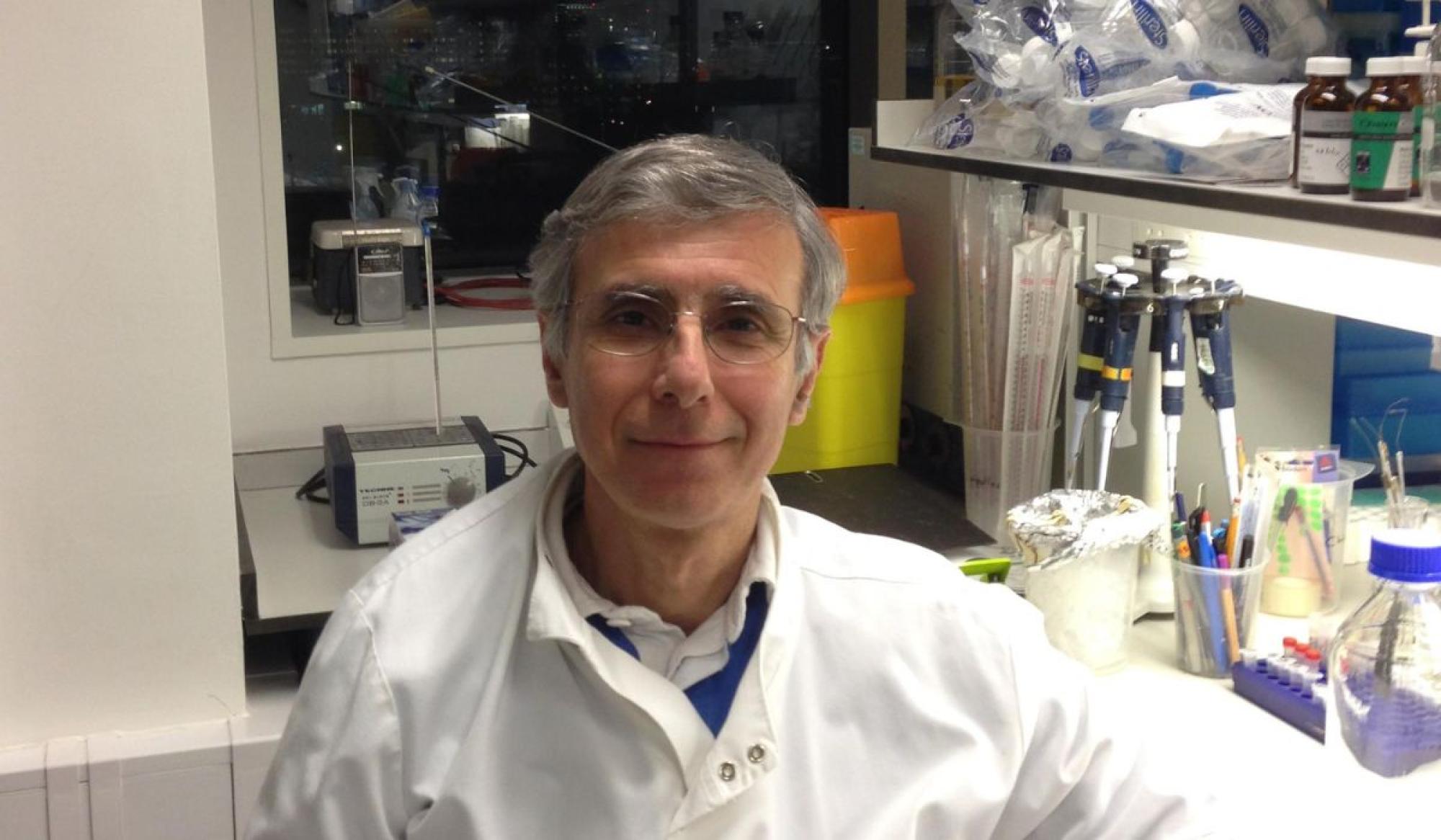
Professor Michael Antoniou, head of the Gene Expression and Therapy Group at King's College London, has studied for more than 35 years how genes function and how they are disrupted. His decades of rigorous independent research into the risks of GM foods and glyphosate-based herbicides have raised serious concerns about the safety of these technologies. In a report he prepared for the Mexican government, as the country attempted to restrict GMO corn imports for health reasons, Professor Antoniou cited "a large body of evidence from well-controlled laboratory animal toxicity studies that show evidence of harm to multiple physiological systems" from toxic agents found in GM corn. The health risks of GM corn and its associated pesticides arise from three main sources: Bt insecticidal proteins engineered into the plants, DNA damage caused by the genetic modification process itself, and pesticides used on the crops. The GM transformation process " the process by which a GMO is generated in the laboratory " is highly mutagenic. You create unintended damage to the DNA of the crop. And by changing the pattern of gene function in the organism, you will change its biochemistry and its composition, including the unexpected production of new toxins and allergens. Regardless of the GMO crop we're talking about, they're all grown with one or more different kinds of pesticides ... such as glyphosate. They invariably come with pesticide residues
Latest
Latest News
Each news summary is created according to strict standards. Here's how we do it.
Each summary is created using a consistent editorial procedure. The target length is approximately 16 lines of 11-point Arial text in a 650-pixel-wide column. Up to 25% of a summary may be set in bold to emphasize the most important ideas. Summaries are composed of verbatim excerpts presented in the same sequence as they appear in the original news source, with very minor editorial additions. Where material has been omitted between excerpts, the omission is indicated with ellipses (...). Any words added by an editor for clarity or context appear in [brackets]. Our original news editor was Fred Burks. Tod Fletcher edited most summaries from 2007 through 2014, and Mark Bailey has served as news editor since 2014.