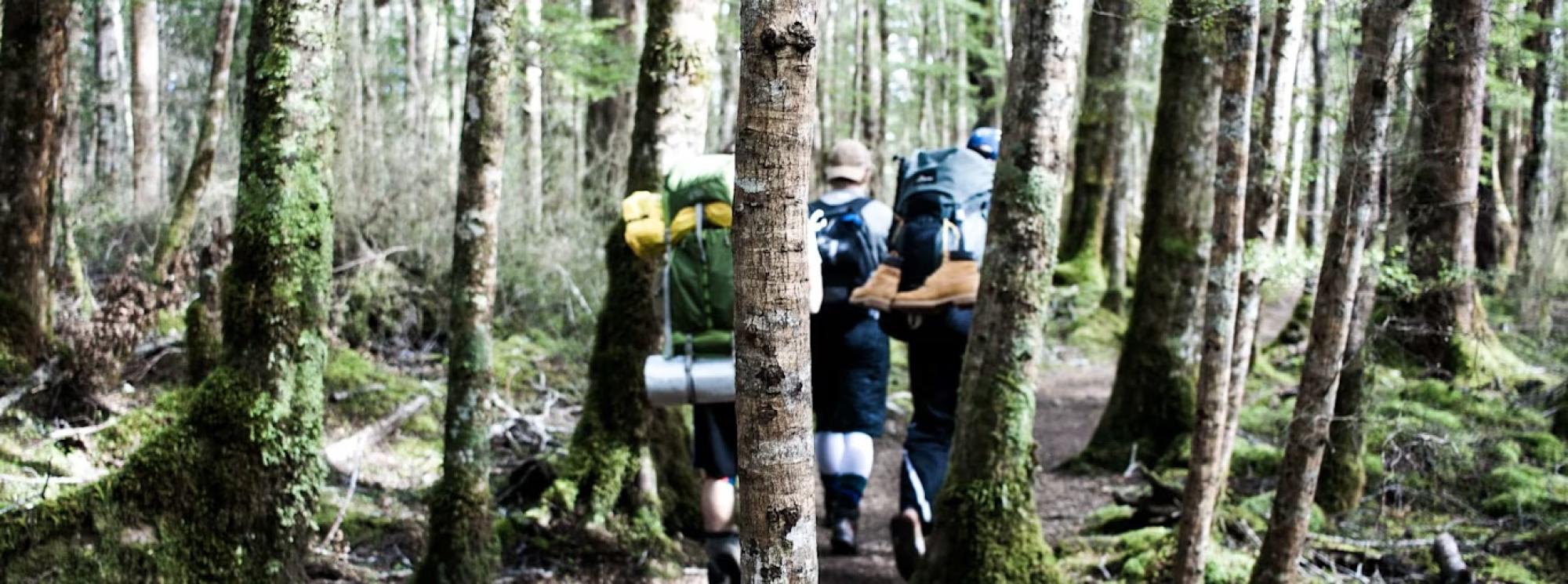
Perhaps you're in hospital recovering from surgery, as I was only a little time ago. When a friend arrived with a posy of flowers, I found myself smiling for the first time since leaving home. More than ever, we could all use some green relief, as we deal with a world that seems to only grow more anxiety-inducing and uncertain. In most cultures throughout history, medicine and botany have been closely entwined, and gardens have been associated with healing the body, mind, and spirit. Inevitably, the creep of urbanisation saw the garden landscapes of [healing] institutions greatly reduced. There has been a trend towards banning flowers from hospital wards. Reasons include a suspicion bacteria lurk in the flower water, as well as ... patients or nursing staff knocking over vases during night shifts. An explanation for the uplifting effect of those flowers in my hospital room may be found in numerous studies that have shown, post-surgery, patients in rooms with plants and flowers have shorter recovery times, require fewer analgesics, and experience lower levels of anxiety. Partly, it is a response to beauty. Our compulsion to turn towards the natural world is known as "biophilia". [German"American social psychologist and psychoanalyst, Erich Fromm] ... described it as "the passionate love of life and all that is alive", speculating that our separation from nature brings about a level of unrecognised distress. Doctors in some countries are writing green prescriptions, rather than scripts for medication. And not just for mental health problems, but for physical conditions such as high blood pressure.
Latest
Latest News
Each news summary is created according to strict standards. Here's how we do it.
Each summary is created using a consistent editorial procedure. The target length is approximately 16 lines of 11-point Arial text in a 650-pixel-wide column. Up to 25% of a summary may be set in bold to emphasize the most important ideas. Summaries are composed of verbatim excerpts presented in the same sequence as they appear in the original news source, with very minor editorial additions. Where material has been omitted between excerpts, the omission is indicated with ellipses (...). Any words added by an editor for clarity or context appear in [brackets]. Our original news editor was Fred Burks. Tod Fletcher edited most summaries from 2007 through 2014, and Mark Bailey has served as news editor since 2014.