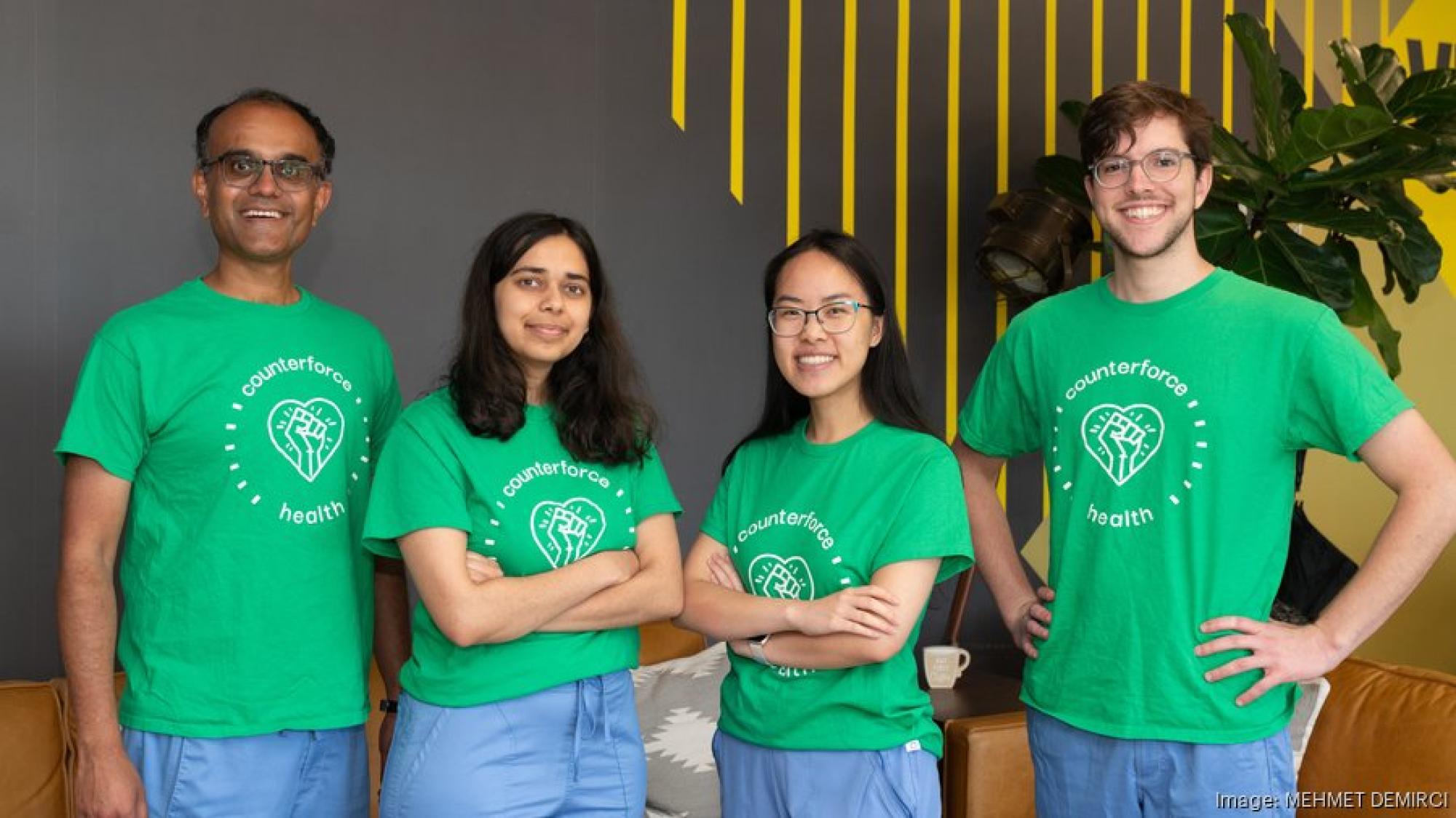
The idea that American health insurance companies are using AI to analyze and adjudicate claims for approval or denial sounds terrifying, but one North Carolinian is using AI to fight back. When Raleigh resident Neal Shah had a claim denied for his wife's chemotherapy drugs, he thought it was rare, that he was the only one, that it was just bad luck. Litigating his case on phone calls that lasted for hours changed the husband and father, and he set about creating a sophisticated app that uses artificial intelligence to compare claims denial forms against health insurance contracts, before automatically drafting an appeal letter. "For a doctor to write this, it's not rocket science, but it still takes hours," Shah told ABC News 11, adding that a well-written appeal letter, sent in immediately, can sometimes get denials reversed within days or weeks, but most people either don't know they can appeal, or don't know on what grounds they can appeal. In fact, according to Shah's research, 850 million claims denials occur every year, and less than 1% are ever appealed. That's where Counterforce Health comes in, a startup that's created a free-to-use app for claims denials. For Counterforce Health, Shah brought onboard Riyaa Jadhav, a Jill of all trades who has helped grow and expand the undertaking. Together, they've built Counterforce to the point where it boasts a 70% success rate in appealing claims.
Latest
Latest News
Each news summary is created according to strict standards. Here's how we do it.
Each summary is created using a consistent editorial procedure. The target length is approximately 16 lines of 11-point Arial text in a 650-pixel-wide column. Up to 25% of a summary may be set in bold to emphasize the most important ideas. Summaries are composed of verbatim excerpts presented in the same sequence as they appear in the original news source, with very minor editorial additions. Where material has been omitted between excerpts, the omission is indicated with ellipses (...). Any words added by an editor for clarity or context appear in [brackets]. Our original news editor was Fred Burks. Tod Fletcher edited most summaries from 2007 through 2014, and Mark Bailey has served as news editor since 2014.