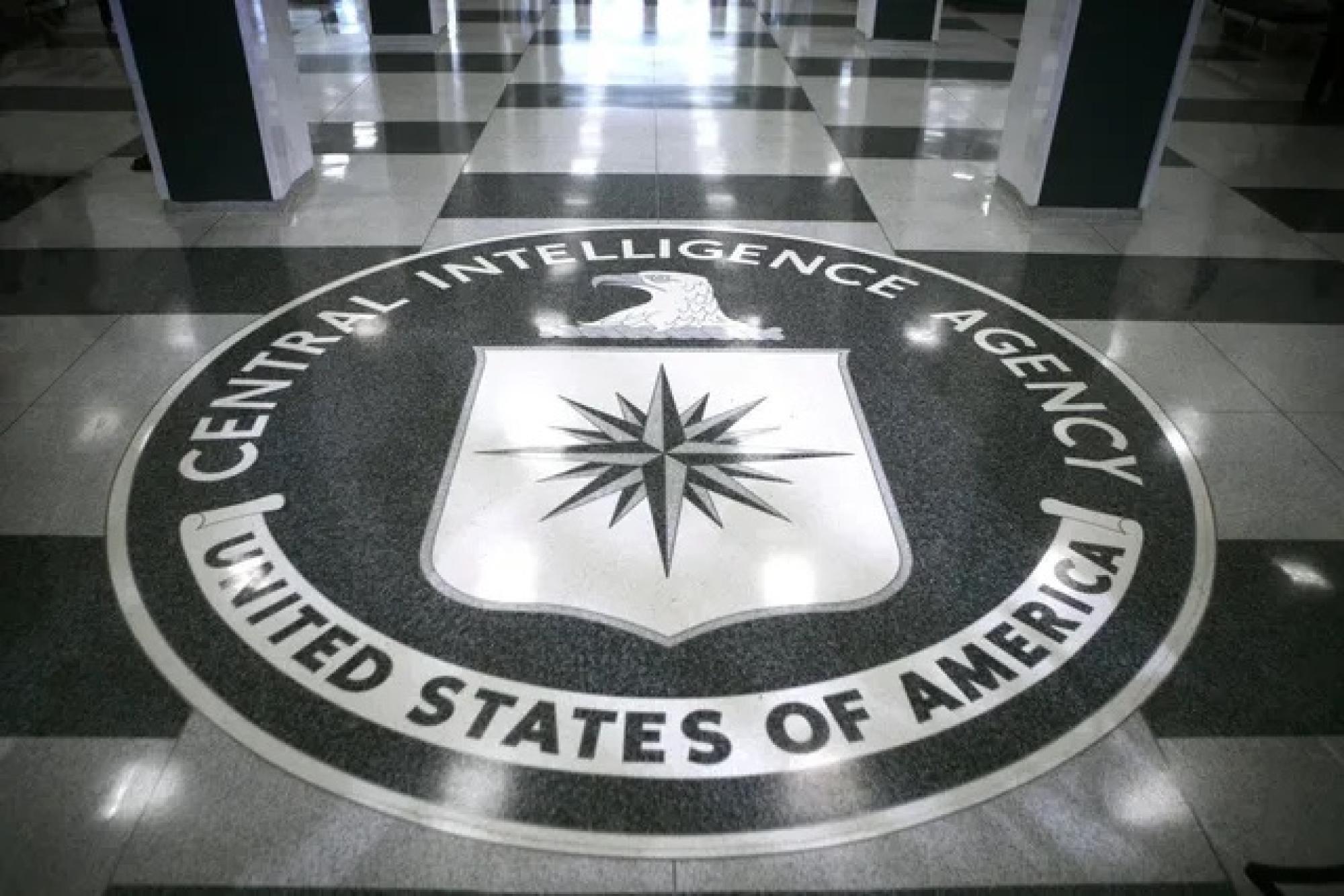
The Central Intelligence Agency conducted a 14-year program to find ways to control human behavior" through the use of chemical, biological and radiological material, according to agency documents made public today by John Marks. The documents ... suggested broader experimentation on unwitting humans by the intelligence agency or its paid researchers than had been publicly known before. Mr. Marks distributed 20 documents that described the following incidents, among others: In 1956, the C.I.A. contracted with a private physician to test "bulbocapnine," a drug that can cause stupor or induce a catatonic state, on monkeys and "convicts incarcerated at" an unnamed state penitentiary. A letter from an unnamed C.I.A. official in 1949 discussed ways of killing people without leaving a trace. "I believe that there are two chemical substances which would be most useful in that they would leave no characteristic pathological findings," the letter said. In 1952, two Russian agents who were "suspected of being doubled" were interrogated using "narcohypnotic" methods. The two men were given sodium pentothal and a stimulant. One interrogation produced a "remarkable" regression, the papers said, during which "the subject actually relived certain past activities of his life. The subject totally accepted Mr. [name deleted] as an old and trusted and beloved personal friend whom the subject had known in years past in Georgia, U.S.S.R." The C.I.A. conducted secret medical experiments from 1949 through 1963 under the code names Bluebird, Artichoke, MK Ultra and MK Delta.
Latest
Latest News
Each news summary is created according to strict standards. Here's how we do it.
Each summary is created using a consistent editorial procedure. The target length is approximately 16 lines of 11-point Arial text in a 650-pixel-wide column. Up to 25% of a summary may be set in bold to emphasize the most important ideas. Summaries are composed of verbatim excerpts presented in the same sequence as they appear in the original news source, with very minor editorial additions. Where material has been omitted between excerpts, the omission is indicated with ellipses (...). Any words added by an editor for clarity or context appear in [brackets]. Our original news editor was Fred Burks. Tod Fletcher edited most summaries from 2007 through 2014, and Mark Bailey has served as news editor since 2014.