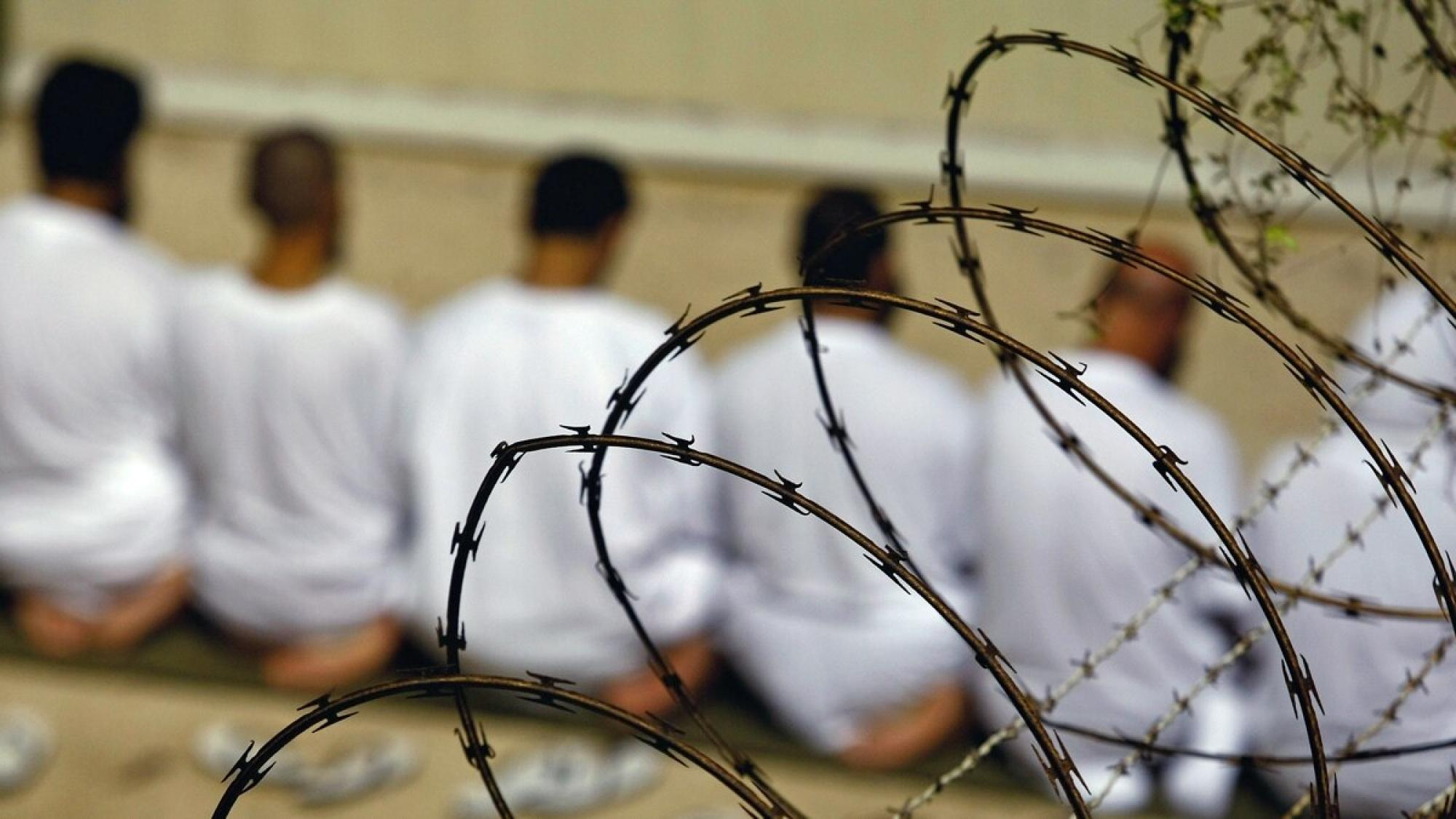
In the early years after Sept. 11, 2001, the CIA turned some Guantanamo Bay prisoners into double agents, sending them home to help the United States kill terrorists, current and former U.S. officials said. The CIA promised the prisoners freedom, safety for their families and millions of dollars from the agencys secret accounts. It was a gamble. Officials knew there was a chance that some prisoners might quickly spurn their deal and kill Americans. Nearly a dozen current and former U.S. officials described aspects of the program to the Associated Press. Dozens of prisoners were evaluated, but only a handful, from a variety of countries, were turned into spies who signed agreements to work for the CIA. Prisoners agreed to cooperate for a variety of reasons, officials said. Some received assurances that the United States would resettle their families. Another agreed to cooperate after the agency insinuated that it would harm his children, a former official said, a threat similar to those interrogators made to self-proclaimed Sept. 11 mastermind Khalid Sheik Mohammed. All were promised money. Exactly how much each received remains unclear. But altogether, the government paid millions for their services, officials said. The money came from a secret CIA account, code-named Pledge, that is used to pay informants, officials said. Officials said the program ended in 2006 as the flow of detainees to Guantanamo Bay slowed to a trickle. The last prisoner arrived there in 2008.
Latest
Latest News
Each news summary is created according to strict standards. Here's how we do it.
Each summary is created using a consistent editorial procedure. The target length is approximately 16 lines of 11-point Arial text in a 650-pixel-wide column. Up to 25% of a summary may be set in bold to emphasize the most important ideas. Summaries are composed of verbatim excerpts presented in the same sequence as they appear in the original news source, with very minor editorial additions. Where material has been omitted between excerpts, the omission is indicated with ellipses (...). Any words added by an editor for clarity or context appear in [brackets]. Our original news editor was Fred Burks. Tod Fletcher edited most summaries from 2007 through 2014, and Mark Bailey has served as news editor since 2014.