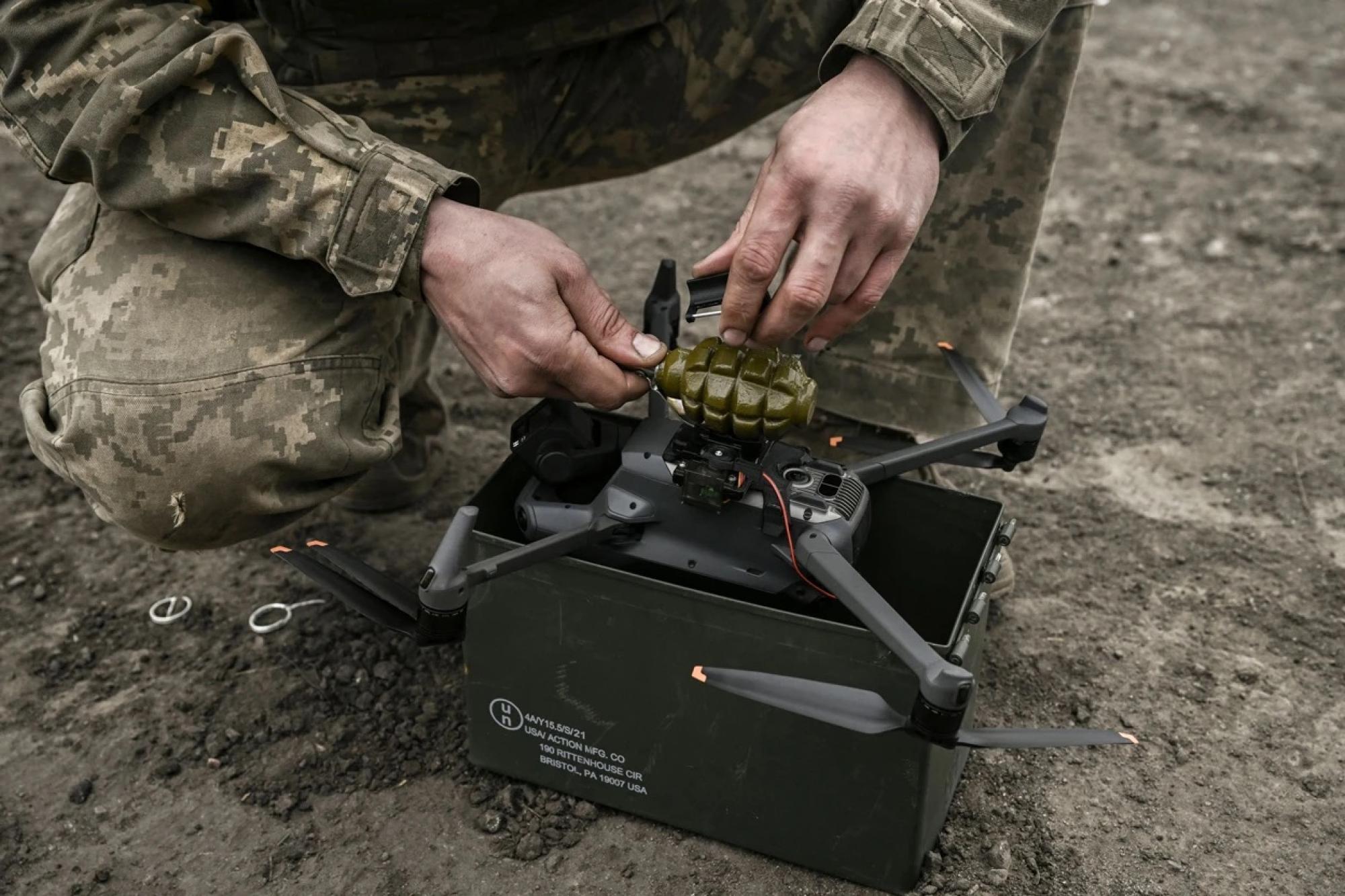
Alphabet has rewritten its guidelines on how it will use AI, dropping a section which previously ruled out applications that were likely to cause harm". Human Rights Watch has criticised the decision, telling the BBC that AI can "complicate accountability" for battlefield decisions that "may have life or death consequences." Experts say AI could be widely deployed on the battlefield - though there are fears about its use too, particularly with regard to autonomous weapons systems. "For a global industry leader to abandon red lines it set for itself signals a concerning shift, at a time when we need responsible leadership in AI more than ever," said Anna Bacciarelli, senior AI researcher at Human Rights Watch. The "unilateral" decision showed also showed "why voluntary principles are not an adequate substitute for regulation and binding law" she added. In January, MP's argued that the conflict in Ukraine had shown the technology "offers serious military advantage on the battlefield." As AI becomes more widespread and sophisticated it would "change the way defence works, from the back office to the frontline," Emma Lewell-Buck MP ... wrote. Concern is greatest over the potential for AI-powered weapons capable of taking lethal action autonomously, with campaigners arguing controls are urgently needed. The Doomsday Clock - which symbolises how near humanity is to destruction - cited that concern in its latest assessment of the dangers mankind faces.
Latest
Latest News
Each news summary is created according to strict standards. Here's how we do it.
Each summary is created using a consistent editorial procedure. The target length is approximately 16 lines of 11-point Arial text in a 650-pixel-wide column. Up to 25% of a summary may be set in bold to emphasize the most important ideas. Summaries are composed of verbatim excerpts presented in the same sequence as they appear in the original news source, with very minor editorial additions. Where material has been omitted between excerpts, the omission is indicated with ellipses (...). Any words added by an editor for clarity or context appear in [brackets]. Our original news editor was Fred Burks. Tod Fletcher edited most summaries from 2007 through 2014, and Mark Bailey has served as news editor since 2014.