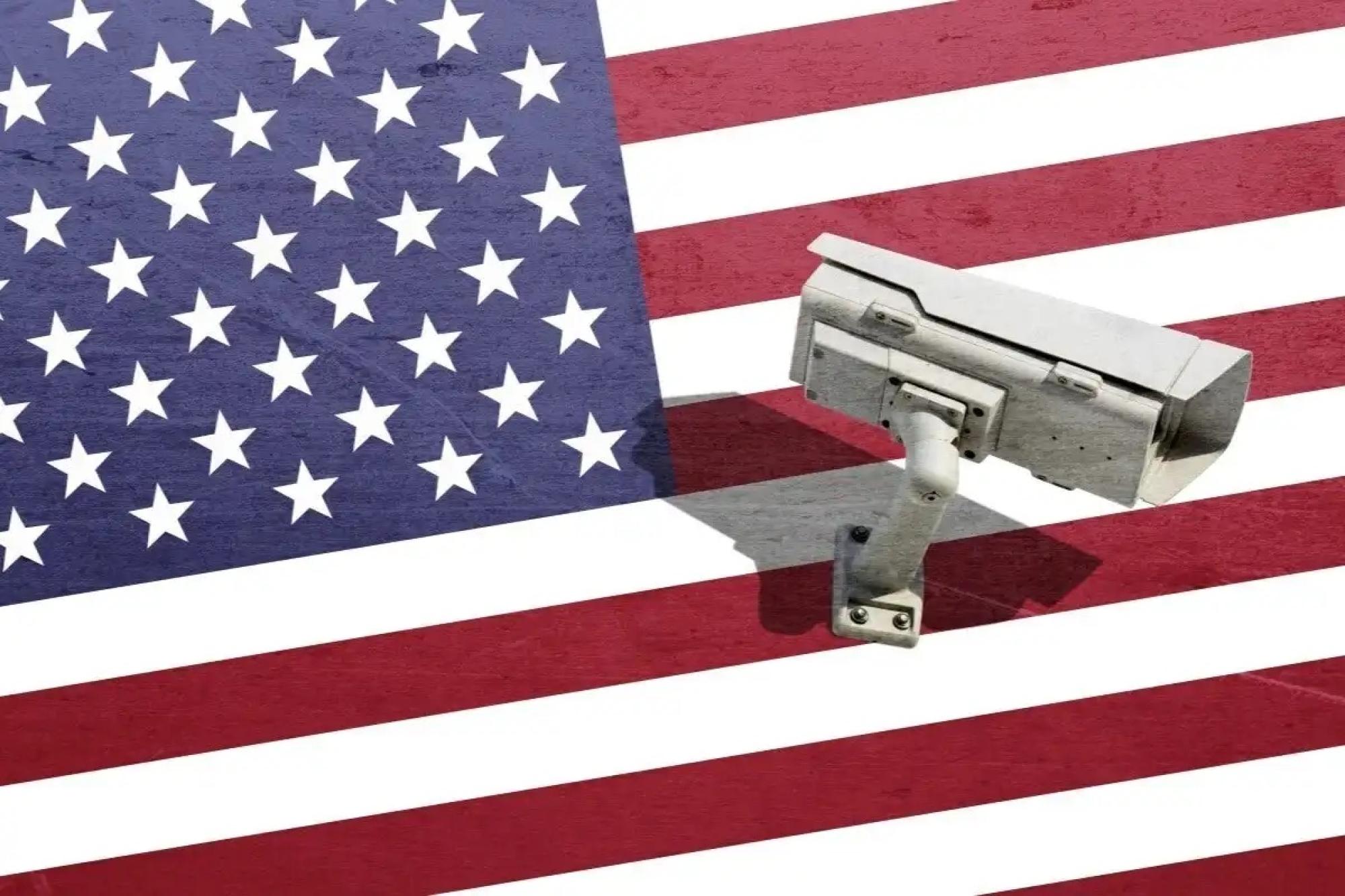
Under ... Section 702 [of the Foreign Intelligence Surveillance Act], the US government collects hundreds of millions of phone calls, emails, and text messages each year. An inestimable chunk belongs to American citizens, permanent residents, and others in the United States neither suspected nor accused of any crime. Police and intelligence agencies buy their way around the Fourth Amendment by paying US companies for information that they'd otherwise demand a warrant to disclose. The House Intelligence Committee's billthe FISA Reform and Reauthorization Act, or FRRA"does nothing to address this privacy threat. What the FRRA does appear to do, despite its name, is explode the number of companies the US government may compel to cooperate with wiretaps under Section 702. That was the assessment on Friday of Marc Zwillinger, amicus curiae to the Foreign Intelligence Surveillance Court of Review (FISCR). Section 702 currently allows the government to compel a class of companies called "electronic communications providers" to collect communications. If the FRRA becomes law, according to Zwillinger, that category would be greatly expanded to include a slew of new businesses, including "data centers, colocation providers, business landlords, and shared workspaces," as well as, he says, "hotels where guests connect to the internet." Communications may be seized under 702 and only years later dug up for an entirely different reason.
Latest
Latest News
Each news summary is created according to strict standards. Here's how we do it.
Each summary is created using a consistent editorial procedure. The target length is approximately 16 lines of 11-point Arial text in a 650-pixel-wide column. Up to 25% of a summary may be set in bold to emphasize the most important ideas. Summaries are composed of verbatim excerpts presented in the same sequence as they appear in the original news source, with very minor editorial additions. Where material has been omitted between excerpts, the omission is indicated with ellipses (...). Any words added by an editor for clarity or context appear in [brackets]. Our original news editor was Fred Burks. Tod Fletcher edited most summaries from 2007 through 2014, and Mark Bailey has served as news editor since 2014.