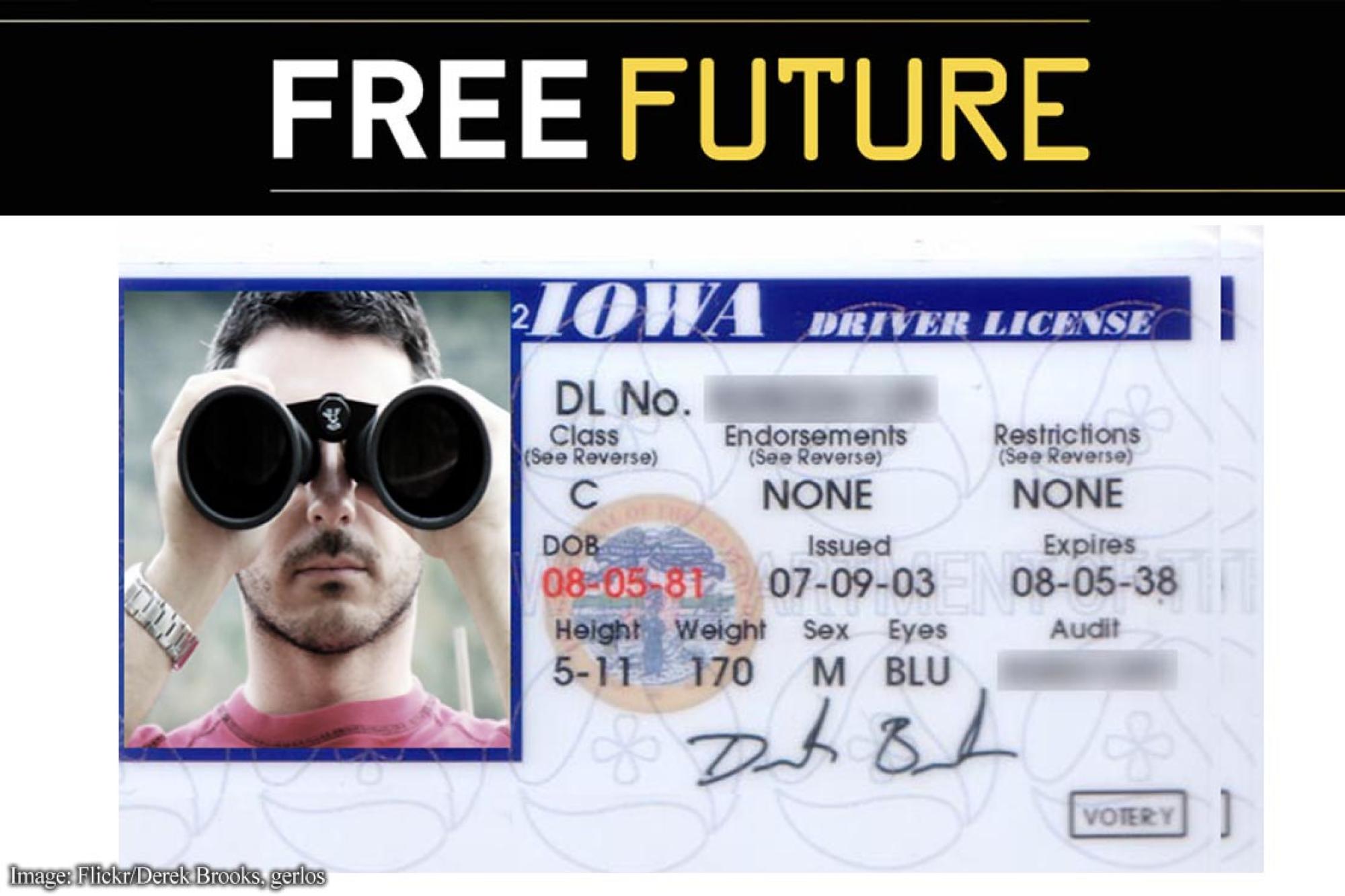
There has been a surge of concern and interest in the threat of "surveillance pricing," in which companies leverage the enormous amount of detailed data they increasingly hold on their customers to set individualized prices for each of them likely in ways that benefit the companies and hurt their customers. The central battle in such efforts will be around identity: do the companies whose prices you are checking or negotiating know who you are? Can you stop them from knowing who you are? Unfortunately, one day not too far in the future, you may lose the ability to do so. Many states around the country are creating digital versions of their state driver's licenses. Digital versions of IDs allow people to be tracked in ways that are not possible or practical with physical IDs " especially since they are being designed to work ... online. It will be much easier for companies to request " and eventually demand " that people share their IDs in order to engage in all manner of transactions. It will make it easier for companies to collect data about us, merge it with other data, and analyze it, all with high confidence that it pertains to the same person " and then recognize us ... and execute their price-maximizing strategy against us. Not only would digital IDs prevent people from escaping surveillance pricing, but surveillance pricing would simultaneously incentivize companies to force the presentation of digital IDs by people who want to shop.
Latest
Latest News
Each news summary is created according to strict standards. Here's how we do it.
Each summary is created using a consistent editorial procedure. The target length is approximately 16 lines of 11-point Arial text in a 650-pixel-wide column. Up to 25% of a summary may be set in bold to emphasize the most important ideas. Summaries are composed of verbatim excerpts presented in the same sequence as they appear in the original news source, with very minor editorial additions. Where material has been omitted between excerpts, the omission is indicated with ellipses (...). Any words added by an editor for clarity or context appear in [brackets]. Our original news editor was Fred Burks. Tod Fletcher edited most summaries from 2007 through 2014, and Mark Bailey has served as news editor since 2014.