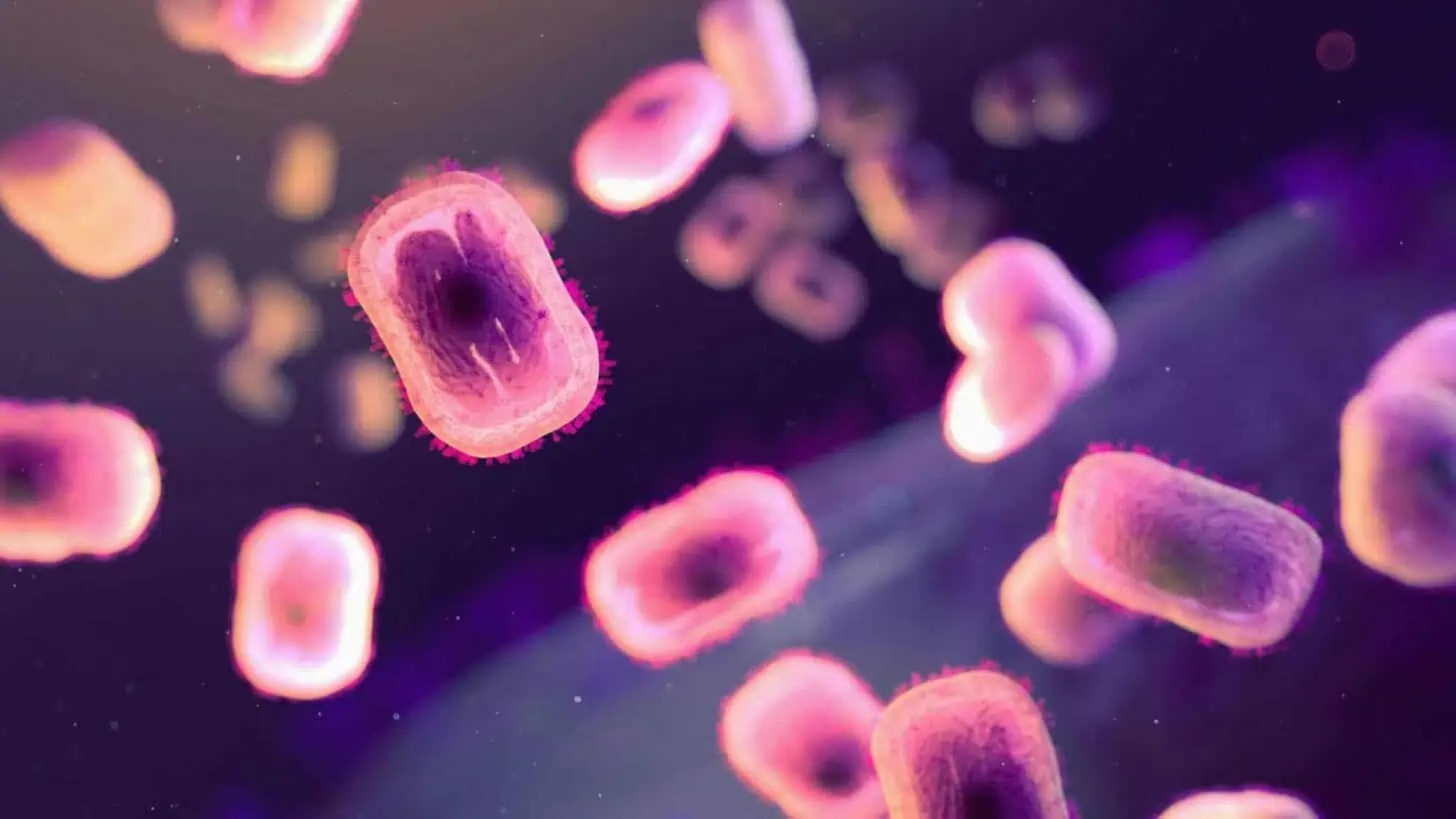
For nearly nine years Anthony Fauci's institute concealed plans to engineer a pandemic capable mpox virus with a case fatality rate of up to 15 percent, congressional investigators revealed in a new report. In June 2015, a scientist at the National Institute of Allergy and Infectious Diseases received formal approval from the National Institutes of Health's Institutional Review Board for experiments expected to engineer an mpox virus with high transmissibility and moderate mortality. NIAID " the institute Fauci oversaw for nearly four decades and which underwrites most federally funded gain-of-function research " concealed the project's approval from investigators with the House Committee on Energy and Commerce over the course of a 17 month-long investigation. [The] report describes the obstruction and secrecy around the mpox proposal as a case study in how the institute "oversees and accounts for the monitoring of potentially dangerous gain-of-function research of concern." The revelations land amid global concerns about whether coronavirus gain-of-function research " research that might generate pathogens with increased pathogenicity or transmissibility " may have contributed to the worst pandemic in a century. The committee, in conjunction with the House Committee on Oversight and Reform, is also investigating coronavirus gain-of-function research underwritten by NIAID at the Wuhan Institute of Virology, and faces similar stonewalling in that investigation.
Latest
Latest News
Each news summary is created according to strict standards. Here's how we do it.
Each summary is created using a consistent editorial procedure. The target length is approximately 16 lines of 11-point Arial text in a 650-pixel-wide column. Up to 25% of a summary may be set in bold to emphasize the most important ideas. Summaries are composed of verbatim excerpts presented in the same sequence as they appear in the original news source, with very minor editorial additions. Where material has been omitted between excerpts, the omission is indicated with ellipses (...). Any words added by an editor for clarity or context appear in [brackets]. Our original news editor was Fred Burks. Tod Fletcher edited most summaries from 2007 through 2014, and Mark Bailey has served as news editor since 2014.