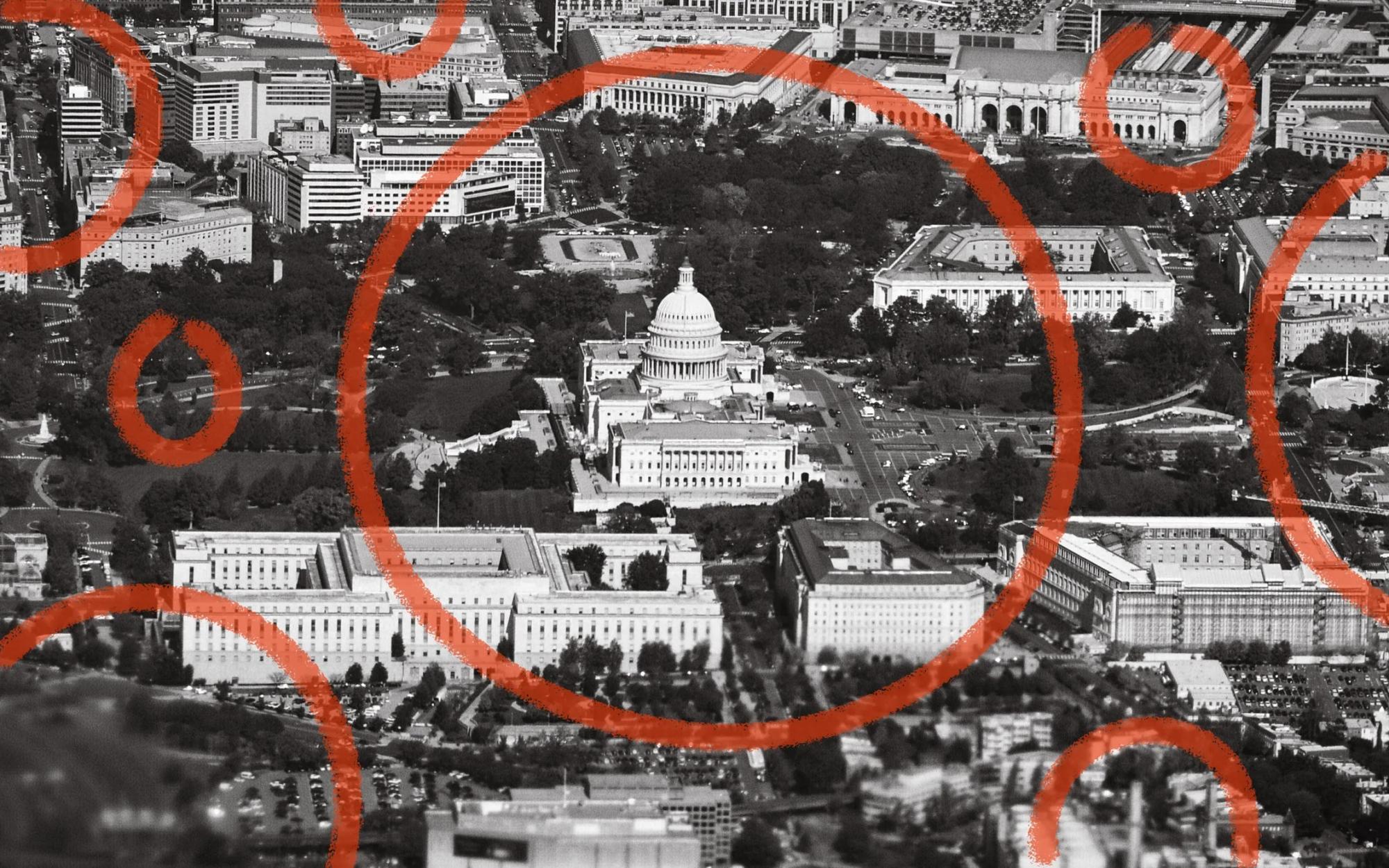
A US federal appeals court ruled last week that so-called geofence warrants violate the Fourth Amendment's protections against unreasonable searches and seizures. Geofence warrants allow police to demand that companies such as Google turn over a list of every device that appeared at a certain location at a certain time. The US Fifth Circuit Court of Appeals ruled on August 9 that geofence warrants are "categorically prohibited by the Fourth Amendment" because "they never include a specific user to be identified, only a temporal and geographic location where any given user may turn up post-search." In other words, they're the unconstitutional fishing expedition that privacy and civil liberties advocates have long asserted they are. Google ... is the most frequent target of geofence warrants, vowed late last year that it was changing how it stores location data in such a way that geofence warrants may no longer return the data they once did. Legally, however, the issue is far from settled: The Fifth Circuit decision applies only to law enforcement activity in Louisiana, Mississippi, and Texas. Plus, because of weak US privacy laws, police can simply purchase the data and skip the pesky warrant process altogether. As for the appellants in the case heard by the Fifth Circuit, well, they're no better off: The court found that the police used the geofence warrant in "good faith" when it was issued in 2018, so they can still use the evidence they obtained.
Latest
Latest News
Each news summary is created according to strict standards. Here's how we do it.
Each summary is created using a consistent editorial procedure. The target length is approximately 16 lines of 11-point Arial text in a 650-pixel-wide column. Up to 25% of a summary may be set in bold to emphasize the most important ideas. Summaries are composed of verbatim excerpts presented in the same sequence as they appear in the original news source, with very minor editorial additions. Where material has been omitted between excerpts, the omission is indicated with ellipses (...). Any words added by an editor for clarity or context appear in [brackets]. Our original news editor was Fred Burks. Tod Fletcher edited most summaries from 2007 through 2014, and Mark Bailey has served as news editor since 2014.