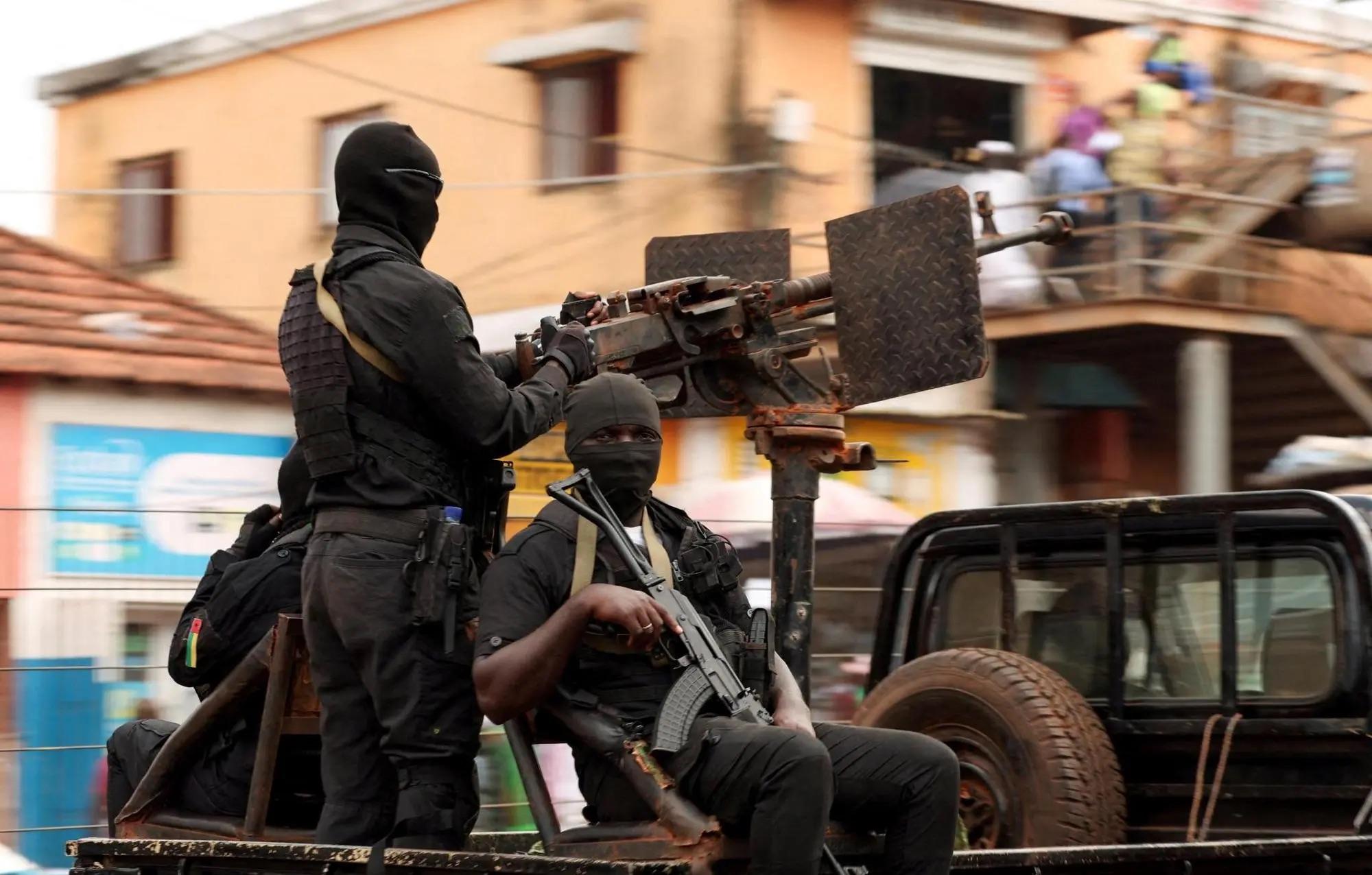
On November 26, soldiers of the Presidential Guard took power in yet another West African country. This time, it was Guinea-Bissau the tiny country on the Atlantic coast better known to the world as the region's first "narco-state." Since its independence in 1974, the former Portuguese colony has endured nine coups, making it one of West Africa's most fragile states. [The country] acts as a key transit point for the cocaine trade between the northern tier of South America and Europe. The latest coup is the second successful military takeover this year in Africa's rapidly expanding coup belt. According to the Geneva-based Global Initiative Against Transnational Organized Crime (GI-TOC), "Politics and cocaine in Guinea-Bissau have gone hand in hand for decades. Upheavals in one cause ripples in the other." The United States established diplomatic relations with Guinea-Bissau in 1975. Guinea-Bissau's importance as the key transshipment point for cocaine between Colombia and the fast-growing market in Europe grew steadily over the years since. In 2013, Gen. Antonio Indjai, Guinea-Bissau's senior military official at the time, was charged for conspiring to traffic drugs and procure military-grade weapons including surface-to-air missiles for Fuerzas Armadas Revolucionarios de Colombia (the "FARC"). In 2019, one of two large cocaine shipments seized in Guinea-Bissau was linked to ... the Al-Mourabitoun terrorist group, which is affiliated with Al-Qaeda.
Latest
Latest News
Each news summary is created according to strict standards. Here's how we do it.
Each summary is created using a consistent editorial procedure. The target length is approximately 16 lines of 11-point Arial text in a 650-pixel-wide column. Up to 25% of a summary may be set in bold to emphasize the most important ideas. Summaries are composed of verbatim excerpts presented in the same sequence as they appear in the original news source, with very minor editorial additions. Where material has been omitted between excerpts, the omission is indicated with ellipses (...). Any words added by an editor for clarity or context appear in [brackets]. Our original news editor was Fred Burks. Tod Fletcher edited most summaries from 2007 through 2014, and Mark Bailey has served as news editor since 2014.