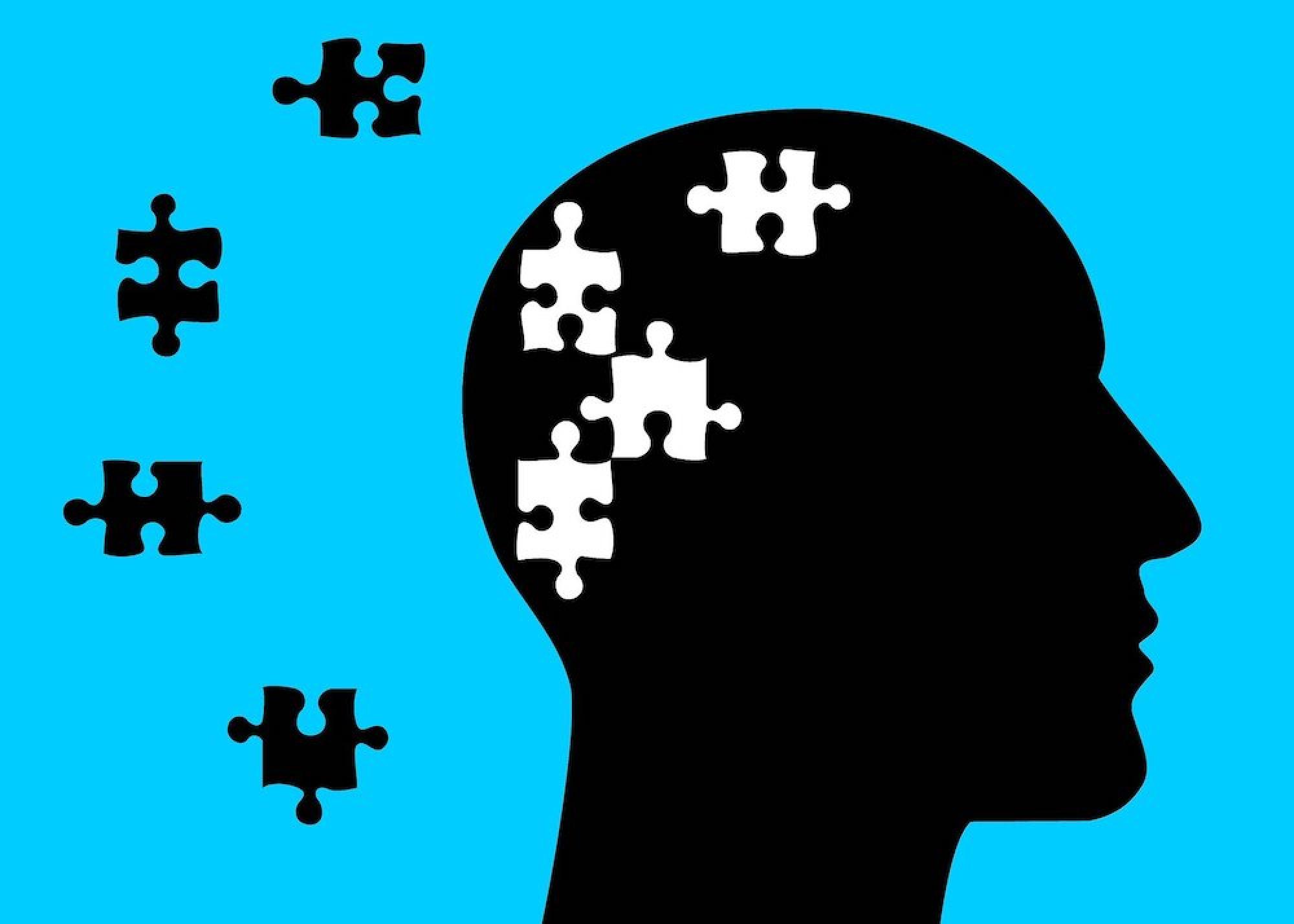
One of the most enduring ideas about crime and violence more broadly " is that a lot of it is committed by people we call "psychopaths." To summarize the various popular and scientific definitions: People with psychopathy lack feelings of empathy and remorse, and can be charming, manipulative and impulsive as they seek to dominate and harm. But there is shockingly little science behind the diagnosis of psychopathy, according to a new book by Rasmus Rosenberg Larsen. In "Psychopathy Unmasked: The Rise and Fall of a Dangerous Diagnosis," Larsen argues that the widespread use of this personality disorder in legal settings has had massive and largely negative consequences in courts and prisons across the world. Hundreds of thousands of people suspected or convicted of crimes have been assessed with some version of the "Psychopathy Checklist" since its publication in 1991. Larsen ... found that incarcerated people with high scores were not significantly more likely to commit more crimes after release. Larsen suggests the diagnosis itself may be little more than a way to make some sentences harsher while scaring and titillating the wider public. Judges, parole boards and others in the justice system came to see people with the psychopathy diagnosis as chronic offenders, and could justify keeping them in prison for longer. They could withhold therapy because the emerging theory was that it's a waste of time.
Latest
Latest News
Each news summary is created according to strict standards. Here's how we do it.
Each summary is created using a consistent editorial procedure. The target length is approximately 16 lines of 11-point Arial text in a 650-pixel-wide column. Up to 25% of a summary may be set in bold to emphasize the most important ideas. Summaries are composed of verbatim excerpts presented in the same sequence as they appear in the original news source, with very minor editorial additions. Where material has been omitted between excerpts, the omission is indicated with ellipses (...). Any words added by an editor for clarity or context appear in [brackets]. Our original news editor was Fred Burks. Tod Fletcher edited most summaries from 2007 through 2014, and Mark Bailey has served as news editor since 2014.