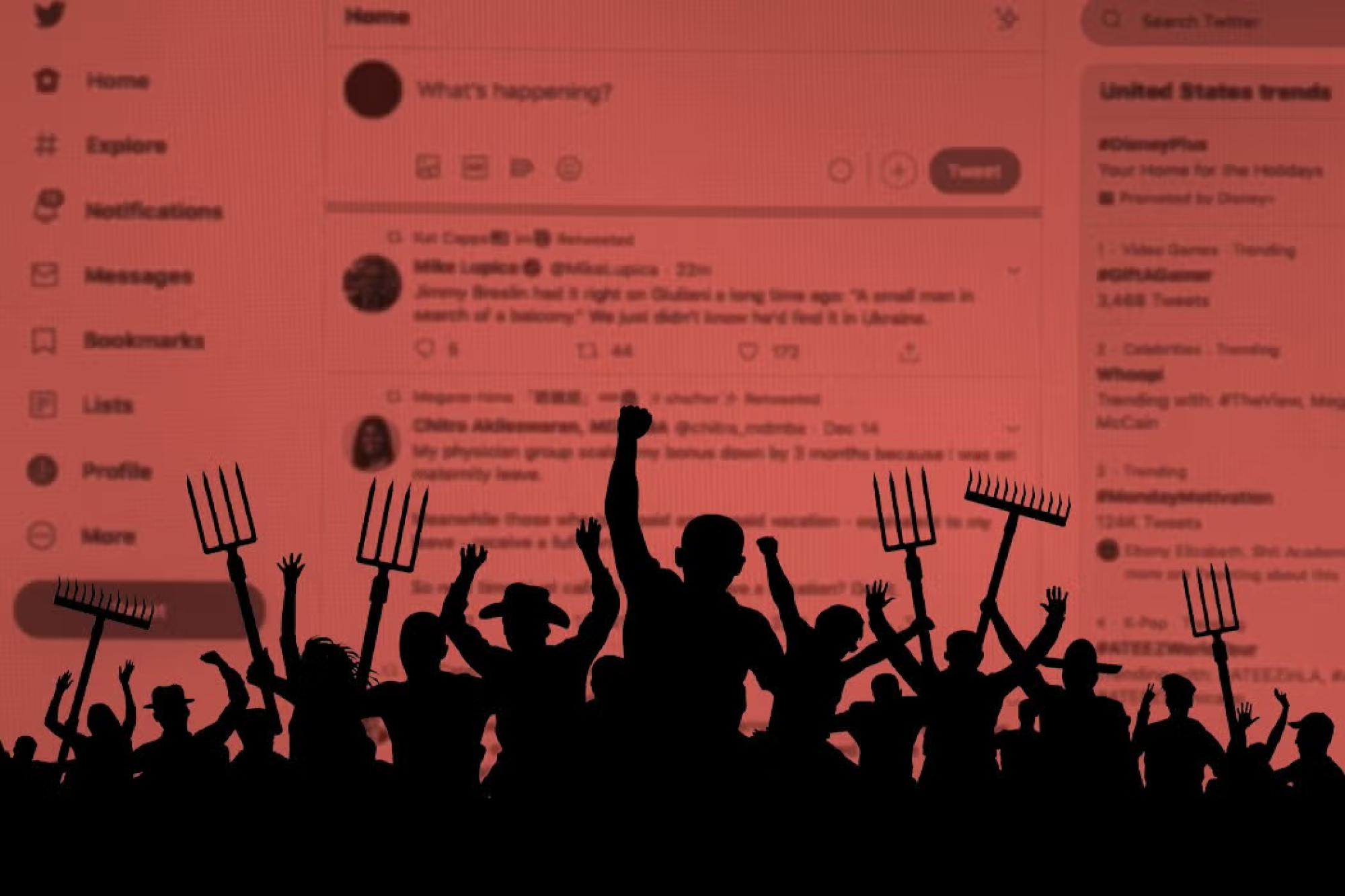
A series of corporate leaks over the past few years provides a remarkable window in the hidden engines powering social media. In January 2021, a few Facebook employees posted an article on the company's engineering blog purporting to explain the news feed algorithm that determines which of the countless posts available each user will see and the order in which they will see them. Eight months later ... a Facebook product manager turned whistleblower snuck over ten thousand pages of documents and internal messages out of Facebook headquarters. She leaked these to a handful of media outlets. Internal studies documented Instagram's harmful impact on the mental health of vulnerable teen girls. A secret whitelist program exempted VIP users from the moderation system the rest of us face. It turns out Facebook engineers have assigned a point value to each type of engagement users can perform on a post (liking, commenting, resharing, etc.). For each post you could be shown, these point values are multiplied by the probability that the algorithm thinks you'll perform that form of engagement. These multiplied pairs of numbers are added up, and the total is the post's personalized score for you. Facebook, TikTok, and Twitter all run on essentially the same simple math formula. Once we start clicking the social media equivalent of junk food, we're going to be served up a lot more of it"which makes it harder to resist. It's a vicious cycle
Latest
Latest News
Each news summary is created according to strict standards. Here's how we do it.
Each summary is created using a consistent editorial procedure. The target length is approximately 16 lines of 11-point Arial text in a 650-pixel-wide column. Up to 25% of a summary may be set in bold to emphasize the most important ideas. Summaries are composed of verbatim excerpts presented in the same sequence as they appear in the original news source, with very minor editorial additions. Where material has been omitted between excerpts, the omission is indicated with ellipses (...). Any words added by an editor for clarity or context appear in [brackets]. Our original news editor was Fred Burks. Tod Fletcher edited most summaries from 2007 through 2014, and Mark Bailey has served as news editor since 2014.