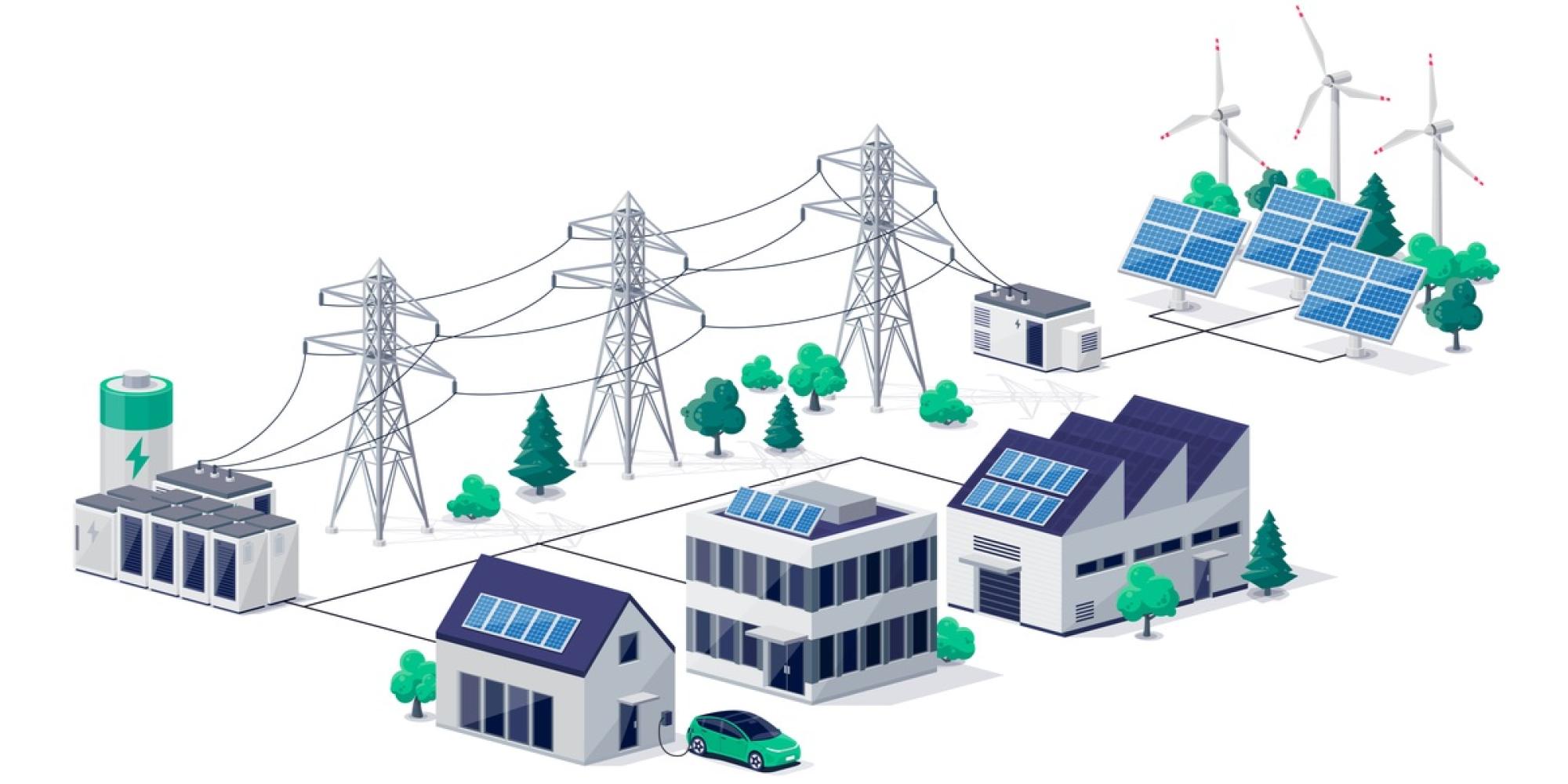
A Virtual Power Plant (VPP) is a network that connects homes, farms, and businesses using renewable energy sources like rooftop solar, batteries, heat pumps, and smart appliances. Unlike traditional power plants, a VPP doesn't rely on one central facility. Instead, it creates a coordinated system where each participant contributes power and flexibility. For rural communities, VPPs offer a powerful solution to increasing energy demand and the challenges posed by severe weather. These systems allow smarter energy management, helping communities stabilize their energy use and reduce their reliance on costly fossil fuels like coal and gas. A standout example comes from Colorado's Holy Cross Energy. Their Power+ Program offers members affordable, lease-to-own home battery storage systems. These batteries store energy during off-peak hours and release it when demand is high or during outages. This not only saves money but also improves energy security and resilience. Similar success stories are unfolding in Vermont, where Green Mountain Power operates a VPP using Tesla Powerwalls. The program saved millions by strategically using stored energy to offset peak demand. These savings are shared with customers through bill credits, creating a win-win model for utilities and participants. Virtual Power Plants show how local, cooperative solutions can drive a national energy transformation.
Latest
Latest News
Each news summary is created according to strict standards. Here's how we do it.
Each summary is created using a consistent editorial procedure. The target length is approximately 16 lines of 11-point Arial text in a 650-pixel-wide column. Up to 25% of a summary may be set in bold to emphasize the most important ideas. Summaries are composed of verbatim excerpts presented in the same sequence as they appear in the original news source, with very minor editorial additions. Where material has been omitted between excerpts, the omission is indicated with ellipses (...). Any words added by an editor for clarity or context appear in [brackets]. Our original news editor was Fred Burks. Tod Fletcher edited most summaries from 2007 through 2014, and Mark Bailey has served as news editor since 2014.