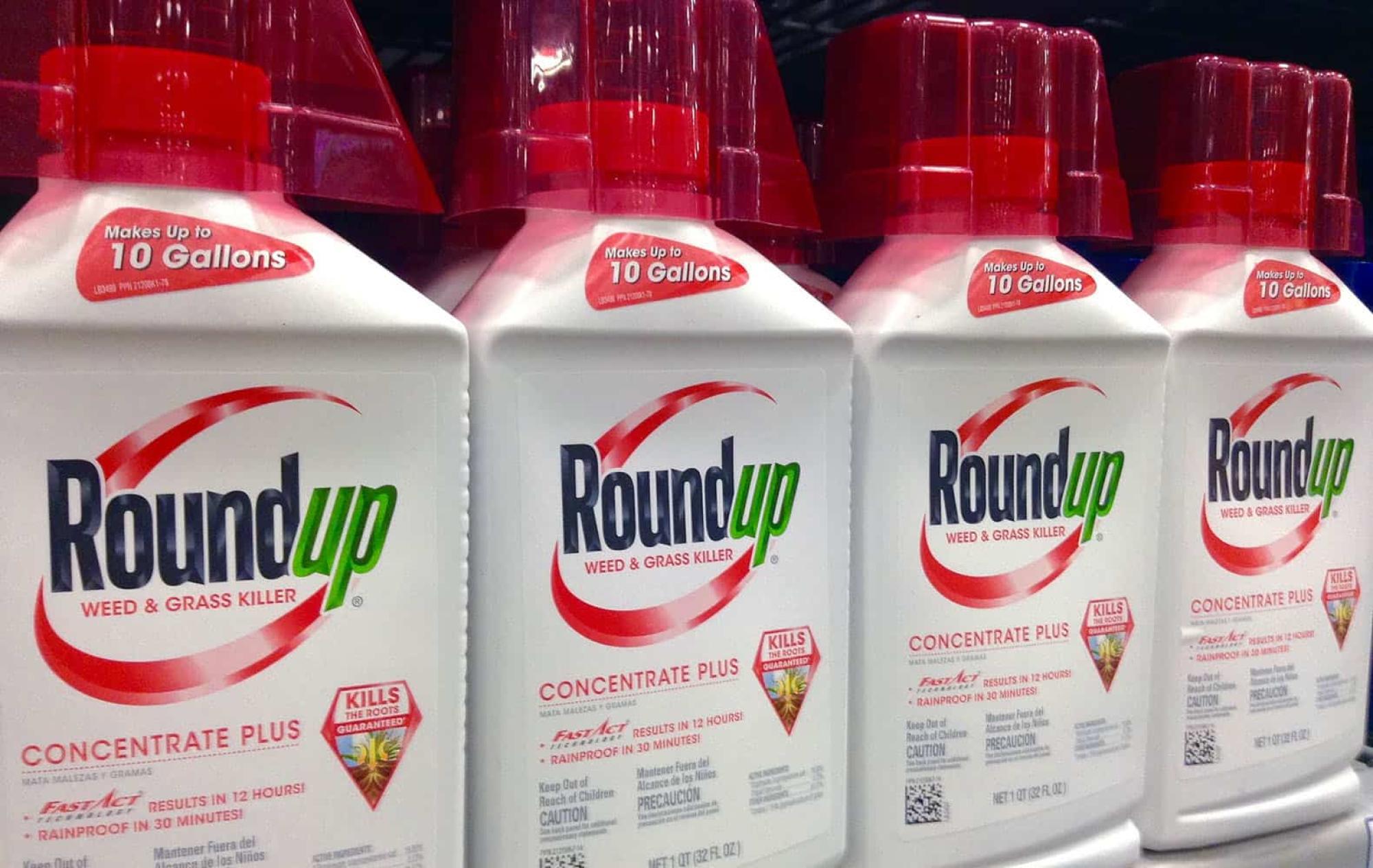
A scientific study that regulators around the world relied on for decades to justify continued approval of glyphosate was quietly retracted last Friday over serious ethical issues including secret authorship by Monsanto employees " raising questions about the pesticide-approval process in the U.S. and globally. The April 2000 study by Gary Williams, Robert Kroes and Ian Munro " which concluded glyphosate does not pose a health risk to humans at typical exposure levels " was ghostwritten by Monsanto employees, and was "based solely on unpublished studies from Monsanto," wrote Martin van den Berg, co-editor-in-chief of Regulatory Toxicology and Pharmacology. It also ignored "multiple other long-term chronic toxicity and carcinogenicity studies" that were available at the time. Some of the study authors may also have received undisclosed financial compensation from Monsanto, he noted. The retraction came years after internal corporate documents first revealed in 2017 that Monsanto employees were heavily involved in drafting the paper. "What took them so long to retract it?" asked Michael Hansen, senior scientist of advocacy at Consumer Reports. The ghostwritten paper is in the top 0.1% of citations among academic papers discussing glyphosate. The retraction exposes the flaws of a regulatory system that relies heavily on corporate research, and an academic publishing system that is often used as a tool for corporate product defense.
Latest
Latest News
Each news summary is created according to strict standards. Here's how we do it.
Each summary is created using a consistent editorial procedure. The target length is approximately 16 lines of 11-point Arial text in a 650-pixel-wide column. Up to 25% of a summary may be set in bold to emphasize the most important ideas. Summaries are composed of verbatim excerpts presented in the same sequence as they appear in the original news source, with very minor editorial additions. Where material has been omitted between excerpts, the omission is indicated with ellipses (...). Any words added by an editor for clarity or context appear in [brackets]. Our original news editor was Fred Burks. Tod Fletcher edited most summaries from 2007 through 2014, and Mark Bailey has served as news editor since 2014.