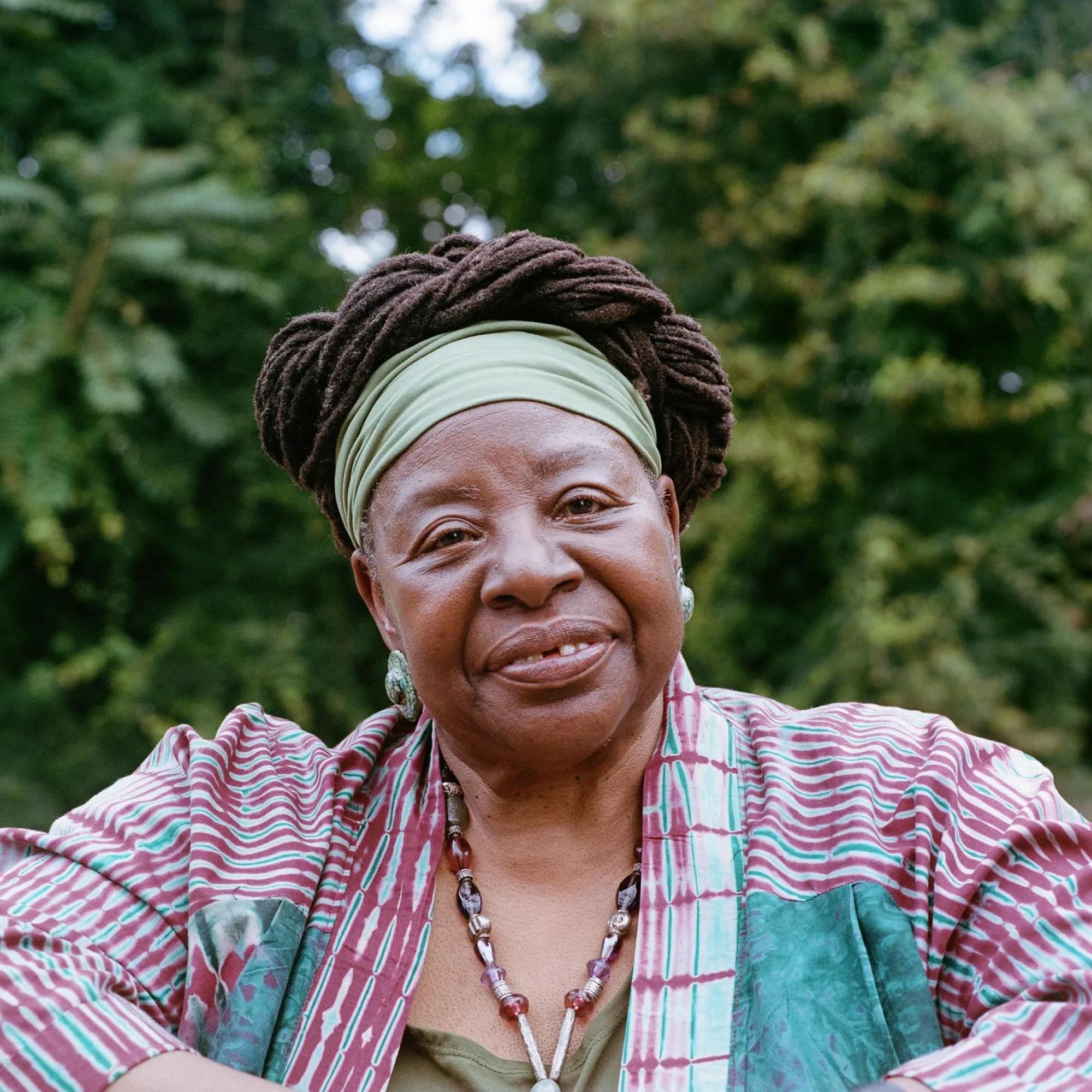
[Loretta] Ross has worked at the forefront of the movement for reproductive justice. But recently she has become better known for championing "call-in culture," a philosophy that approaches someone's wrongdoing with accountability and, most importantly, love. In the summer of 2020 ... I felt myself crumbling. I called out snide comments by alumni of my college about Black Lives Matter protests, demanded people boycott the college newspaper ... and used Twitter to call out the behavior of fellow students. Each tactic left no room for discussion. Calling in, by contrast, asks us to always be the bigger person, even in the most hateful and painful situations. I ask Ross: Whose well-being are we prioritizing here? And why isn't it our own? Ross tells me about another Black woman who asked the same question. "I'm confused," Ross recalls the woman saying. "I don't want to fall into the stereotype of the angry Black woman. But I feel like if I embrace the calling-in strategies you're talking about, then I'm ... giving a pass to all this injustice. What should I do?" Ross responds with a question of her own: "Well, who are you inside? Go deep inside and find out who you are. What's the emotion that you feel is true to you?" "Inside, I feel like I'm filled with love," the woman replies. "Then, why aren't you leading with your authentic self?" Ross asks her. Accountability and love are not mutually exclusive, Ross explains.
Latest
Latest News
Each news summary is created according to strict standards. Here's how we do it.
Each summary is created using a consistent editorial procedure. The target length is approximately 16 lines of 11-point Arial text in a 650-pixel-wide column. Up to 25% of a summary may be set in bold to emphasize the most important ideas. Summaries are composed of verbatim excerpts presented in the same sequence as they appear in the original news source, with very minor editorial additions. Where material has been omitted between excerpts, the omission is indicated with ellipses (...). Any words added by an editor for clarity or context appear in [brackets]. Our original news editor was Fred Burks. Tod Fletcher edited most summaries from 2007 through 2014, and Mark Bailey has served as news editor since 2014.