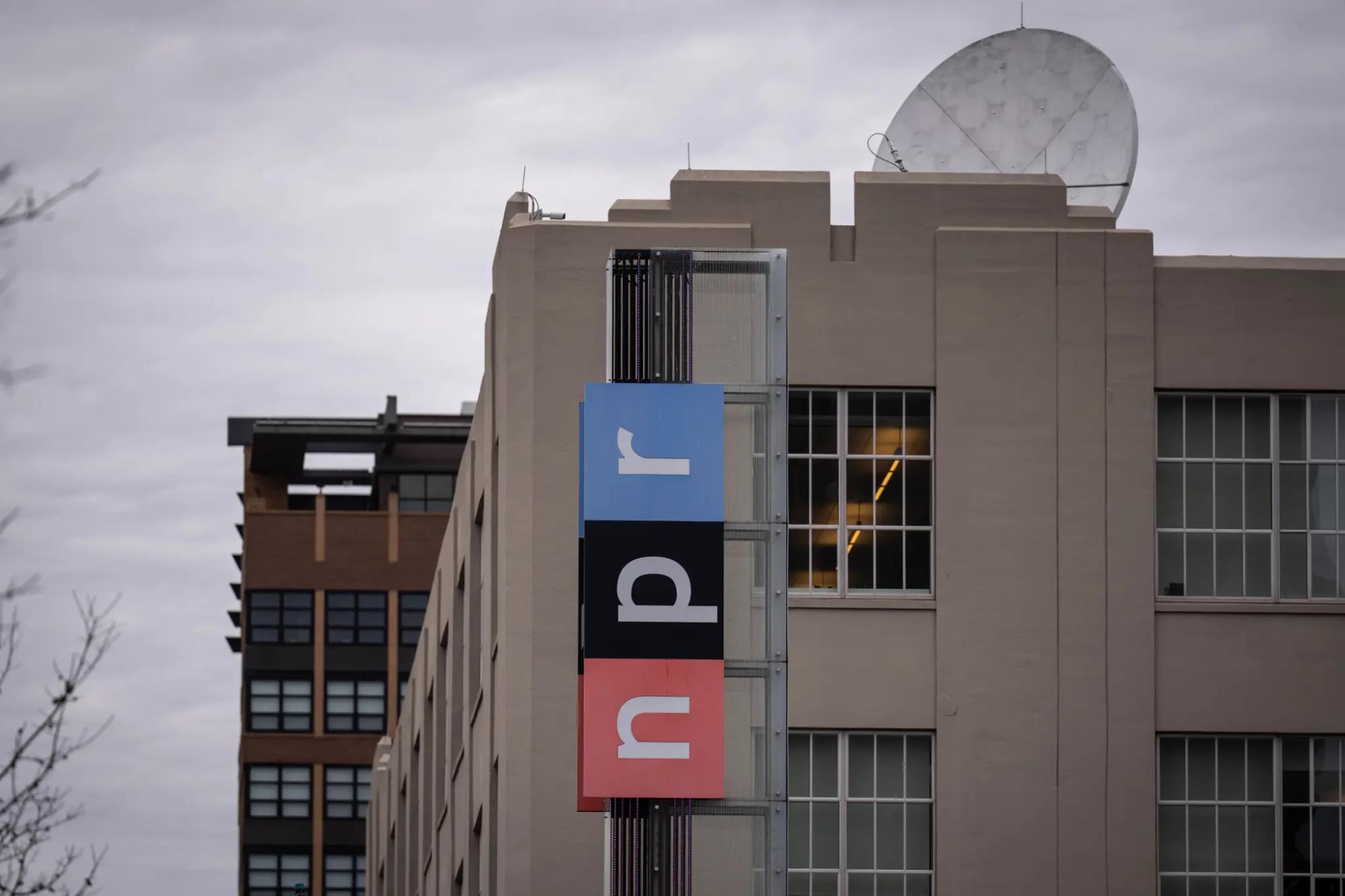
A veteran National Public Radio journalist slammed the left-leaning broadcaster for ignoring the Hunter Biden laptop scandal because it could have helped Donald Trump get re-elected. Uri Berliner, an award-winning business editor and reporter at NPR, penned a lengthy essay ... in which he called out his bosses for turning the public radio broadcaster into "an openly polemical news outlet serving a niche audience." "The laptop was newsworthy," Berliner wrote. "But the timeless journalistic instinct of following a hot story lead was being squelched." The Post was the first to reveal the existence of the laptop that Hunter Biden left at a Delaware computer shop. The Post published the contents of emails taken from the laptop, which shed light on Hunter Biden's business dealings in Ukraine and China while his father, Joe Biden, was vice president during the Obama administration. Initially, national security experts and former intelligence officials declared the laptop a hoax and was the product of a Russian disinformation campaign. Social media sites like Twitter even barred its users from sharing links to The Post's reporting. The authenticity of the emails were later confirmed. According to Berliner, NPR's managing editor for news at the time said that the outlet had no interest in "[wasting] our time on stories that are not really stories, and we don't want to waste the listeners' and readers' time on stories that are just pure distractions."
Latest
Latest News
Each news summary is created according to strict standards. Here's how we do it.
Each summary is created using a consistent editorial procedure. The target length is approximately 16 lines of 11-point Arial text in a 650-pixel-wide column. Up to 25% of a summary may be set in bold to emphasize the most important ideas. Summaries are composed of verbatim excerpts presented in the same sequence as they appear in the original news source, with very minor editorial additions. Where material has been omitted between excerpts, the omission is indicated with ellipses (...). Any words added by an editor for clarity or context appear in [brackets]. Our original news editor was Fred Burks. Tod Fletcher edited most summaries from 2007 through 2014, and Mark Bailey has served as news editor since 2014.