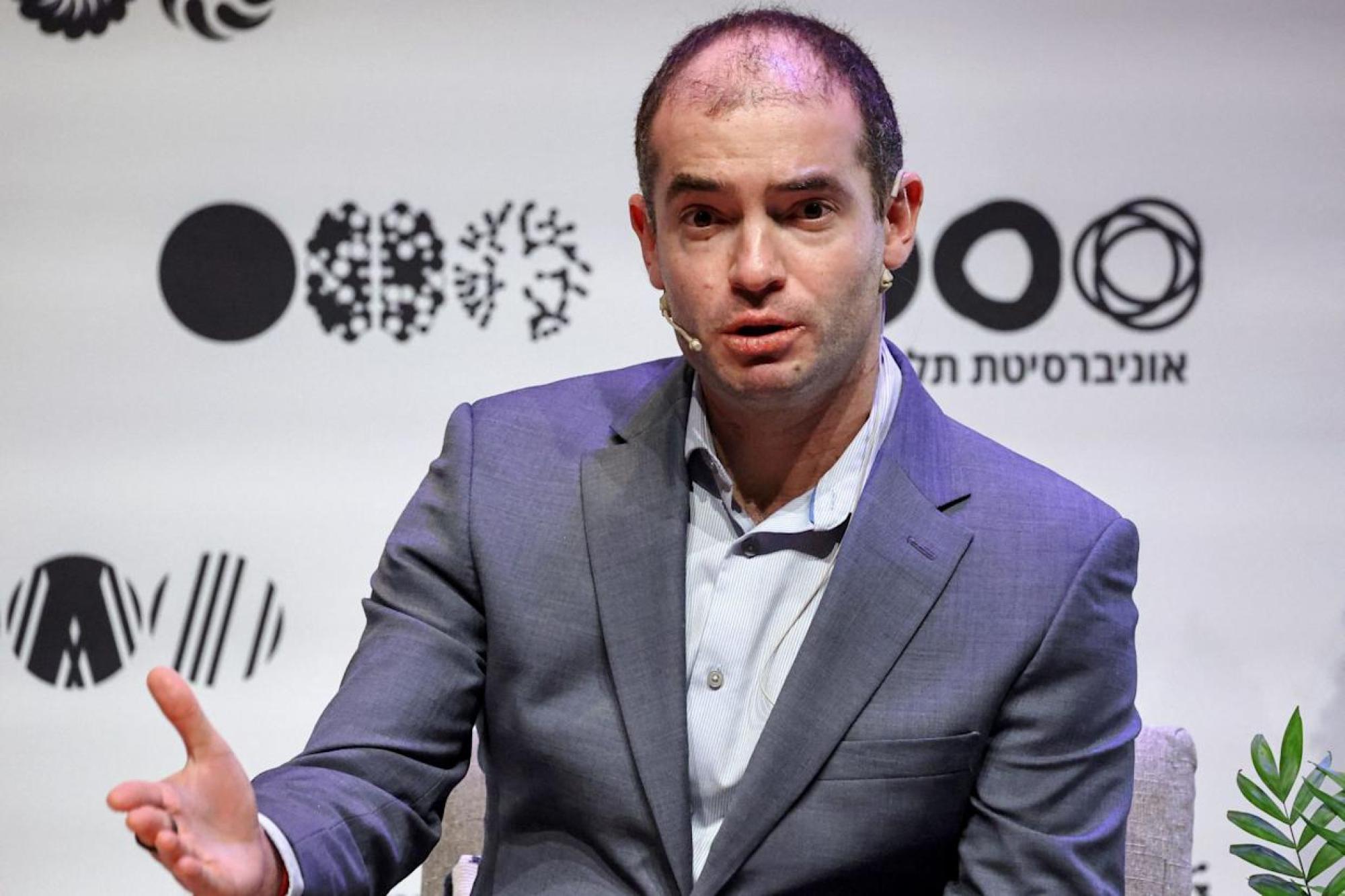
If there is one thing that Ilya Sutskever knows, it is the opportunitiesand risks"that stem from the advent of artificial intelligence. An AI safety researcher and one of the top minds in the field, he served for years as the chief scientist of OpenAI. There he had the explicit goal of creating deep learning neural networks so advanced they would one day be able to think and reason just as well as, if not better than, any human. Artificial general intelligence, or simply AGI, is the official term for that goal. According to excerpts published by The Atlantic ... part of those plans included a doomsday shelter for OpenAI researchers. "We're definitely going to build a bunker before we release AGI," Sutskever told his team in 2023. Sutskever reasoned his fellow scientists would require protection at that point, since the technology was too powerful for it not to become an object of intense desire for governments globally. "Of course, it's going to be optional whether you want to get into the bunker," he assured fellow OpenAI scientists. Sutskever knows better than most what the awesome capabilities of AI are. He was part of an elite trio behind the 2012 creation of AlexNet, often dubbed by experts as the Big Bang of AI. Recruited by Elon Musk personally to join OpenAI three years later, he would go on to lead its efforts to develop AGI. But the launch of its ChatGPT bot accidentally derailed his plans by unleashing a funding gold rush the safety-minded Sutskever could no longer control.
Latest
Latest News
Each news summary is created according to strict standards. Here's how we do it.
Each summary is created using a consistent editorial procedure. The target length is approximately 16 lines of 11-point Arial text in a 650-pixel-wide column. Up to 25% of a summary may be set in bold to emphasize the most important ideas. Summaries are composed of verbatim excerpts presented in the same sequence as they appear in the original news source, with very minor editorial additions. Where material has been omitted between excerpts, the omission is indicated with ellipses (...). Any words added by an editor for clarity or context appear in [brackets]. Our original news editor was Fred Burks. Tod Fletcher edited most summaries from 2007 through 2014, and Mark Bailey has served as news editor since 2014.