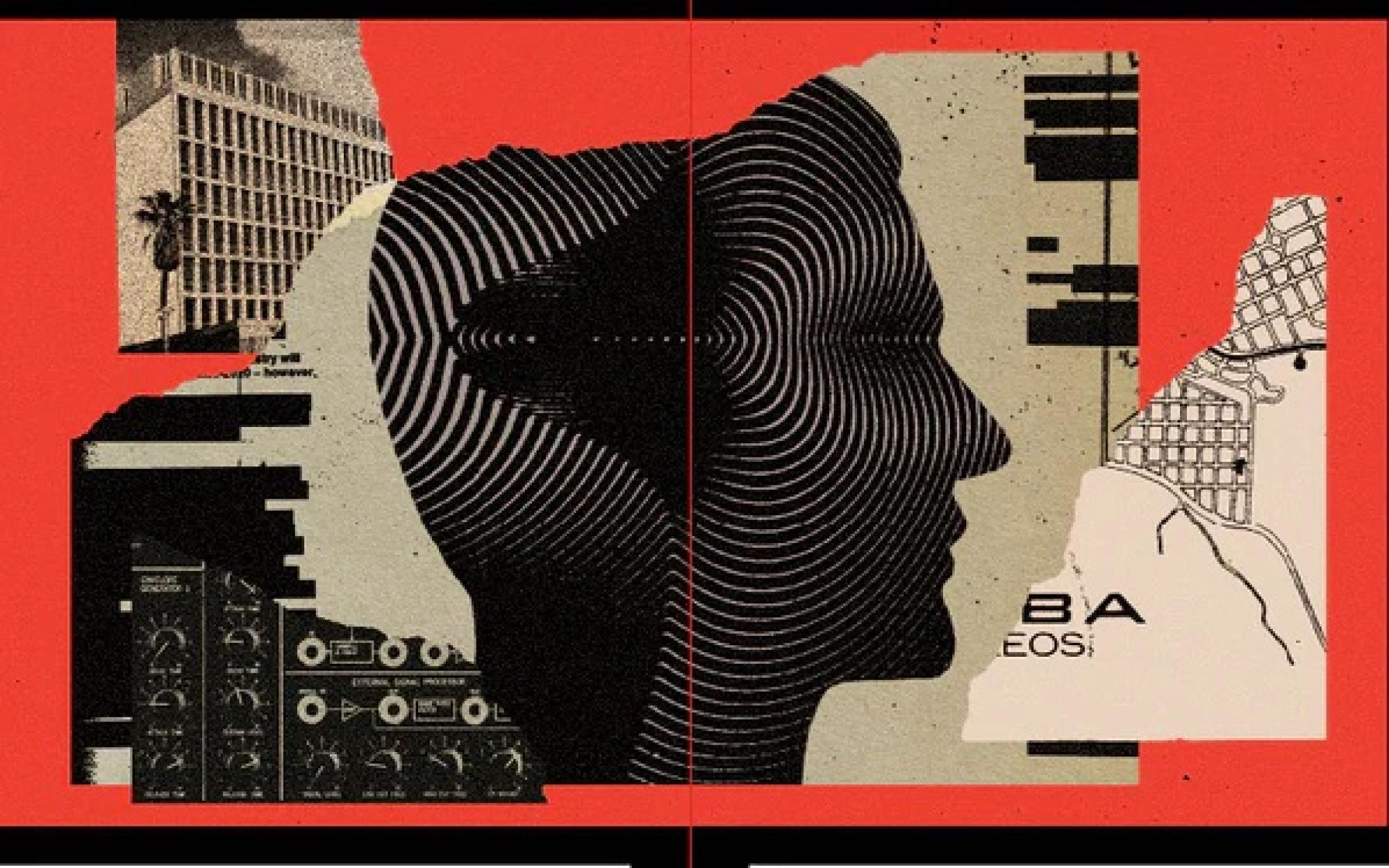
The Defense Department has spent more than a year testing a device purchased in an undercover operation that some investigators think could be the cause of a series of mysterious ailments impacting US spies, diplomats and troops that are colloquially known as Havana Syndrome. A division of the Department of Homeland Security, Homeland Security Investigations, purchased the device for millions of dollars in the waning days of the Biden administration, using funding provided by the Defense Department, according to two ... sources. Officials paid "eight figures" for the device, these people said, declining to offer a more specific number. The device is still being studied and there is ongoing debate ... over its link to the roughly dozens of anomalous health incidents that remain officially unexplained. The device acquired by HSI produces pulsed radio waves, one of the sources said, which some officials and academics have speculated for years could be the cause of the incidents. Although the device is not entirely Russian in origin, it contains Russian components. The device could fit in a backpack. Havana Syndrome, known officially as "anomalous health episodes" ... first emerged in late 2016, when a cluster of US diplomats stationed in the Cuban capital of Havana began reporting symptoms consistent with head trauma, including vertigo and extreme headaches. In subsequent years, there have been cases reported around the world.
Latest
Latest News
Each news summary is created according to strict standards. Here's how we do it.
Each summary is created using a consistent editorial procedure. The target length is approximately 16 lines of 11-point Arial text in a 650-pixel-wide column. Up to 25% of a summary may be set in bold to emphasize the most important ideas. Summaries are composed of verbatim excerpts presented in the same sequence as they appear in the original news source, with very minor editorial additions. Where material has been omitted between excerpts, the omission is indicated with ellipses (...). Any words added by an editor for clarity or context appear in [brackets]. Our original news editor was Fred Burks. Tod Fletcher edited most summaries from 2007 through 2014, and Mark Bailey has served as news editor since 2014.