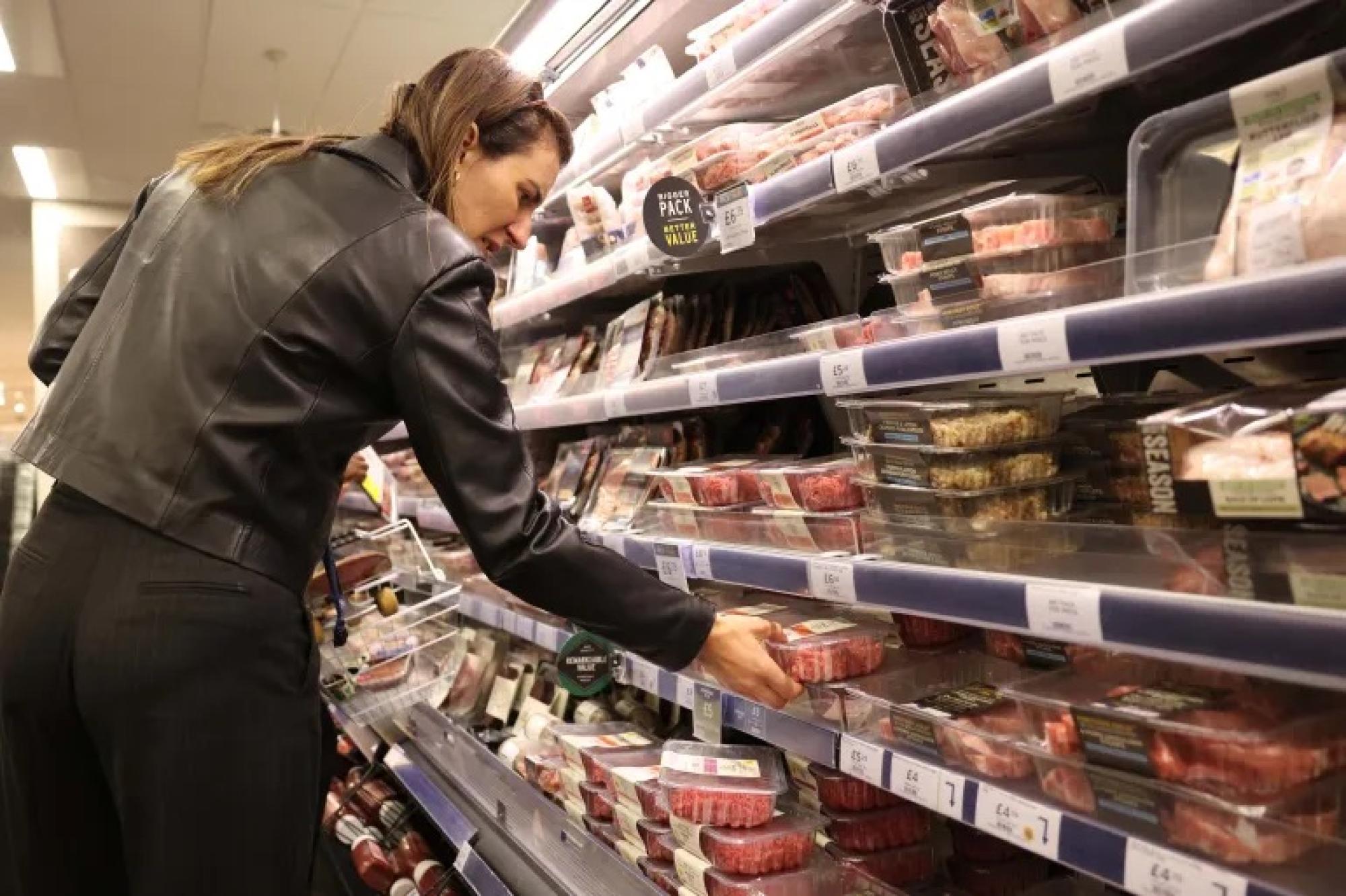
In July, US group Delta Air Lines revealed that approximately 3 percent of its domestic fare pricing is determined using artificial intelligence (AI) although it has not elaborated on how this happens. The company said it aims to increase this figure to 20 percent by the end of this year. According to former Federal Trade Commission Chair Lina Khan ... some companies are able to use your personal data to predict what they know as your "pain point" " the maximum amount you're willing to spend. In January, the US's Federal Trade Commission (FTC), which regulates fair competition, reported on a surveillance pricing study it carried out in July 2024. It found that companies can collect data directly through account registrations, email sign-ups and online purchases in order to do this. Additionally, web pixels installed by intermediaries track digital signals including your IP address, device type, browser information, language preferences and "granular" website interactions such as mouse movements, scrolling patterns and video viewing behaviour. This is known as "surveillance pricing". The FTC Surveillance Pricing report lists several ways in which consumers can protect their data. These include using private browsers to do your online shopping, opting out of consumer tracking where possible, clearing the cookies in your history or using virtual private networks (VPNs) to shield your data from being collected.
Latest
Latest News
Each news summary is created according to strict standards. Here's how we do it.
Each summary is created using a consistent editorial procedure. The target length is approximately 16 lines of 11-point Arial text in a 650-pixel-wide column. Up to 25% of a summary may be set in bold to emphasize the most important ideas. Summaries are composed of verbatim excerpts presented in the same sequence as they appear in the original news source, with very minor editorial additions. Where material has been omitted between excerpts, the omission is indicated with ellipses (...). Any words added by an editor for clarity or context appear in [brackets]. Our original news editor was Fred Burks. Tod Fletcher edited most summaries from 2007 through 2014, and Mark Bailey has served as news editor since 2014.