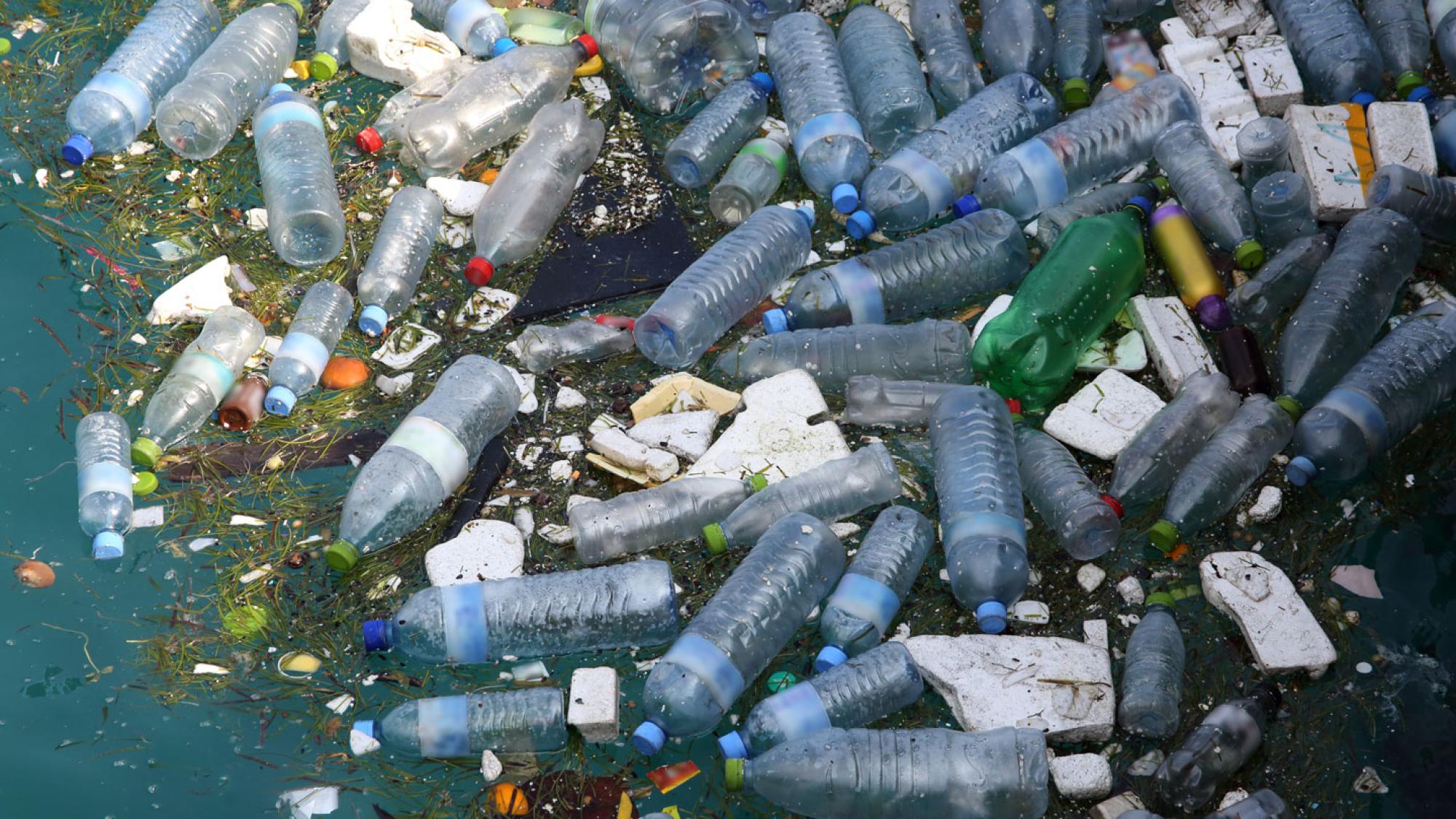
For the first time, researchers have pulled together scientific and regulatory data to develop a database of all known chemicals used in plastic production. It's a staggering number: 16,000 plastic chemicals, with at least 4,200 of those considered to be "highly hazardous" to human health and the environment, according to the authors. "Only 980 of those highly hazardous chemicals have been regulated by agencies around the world, leaving us with 3,600 chemicals that are unregulated and these are only the known chemicals," said Martin Wagner, first author and project lead of the PlastChem Report. The ... report outlines a systematic approach to identify and prioritize chemicals of concern that can be used by agencies and regulators around the world, including those attending the April meeting of the International Negotiating Committee on Plastic Pollution. The committee is part of the United Nations Environment Programme, which has committed to developing a Global Plastics Treaty between 175 nations by the end of 2024. "The most important criterion we used is toxicity," Wagner said. "Many of these chemicals are known to be very toxic for human health or the environment. They are carcinogenic or mutagenic or toxic to reproduction. Some have organ-specific toxicity, typically the liver, as that is where many of the chemicals are absorbed from circulation." The report [also] found that detailed hazard information is missing for more than 10,000 of the 16,000 chemicals.
Latest
Latest News
Each news summary is created according to strict standards. Here's how we do it.
Each summary is created using a consistent editorial procedure. The target length is approximately 16 lines of 11-point Arial text in a 650-pixel-wide column. Up to 25% of a summary may be set in bold to emphasize the most important ideas. Summaries are composed of verbatim excerpts presented in the same sequence as they appear in the original news source, with very minor editorial additions. Where material has been omitted between excerpts, the omission is indicated with ellipses (...). Any words added by an editor for clarity or context appear in [brackets]. Our original news editor was Fred Burks. Tod Fletcher edited most summaries from 2007 through 2014, and Mark Bailey has served as news editor since 2014.