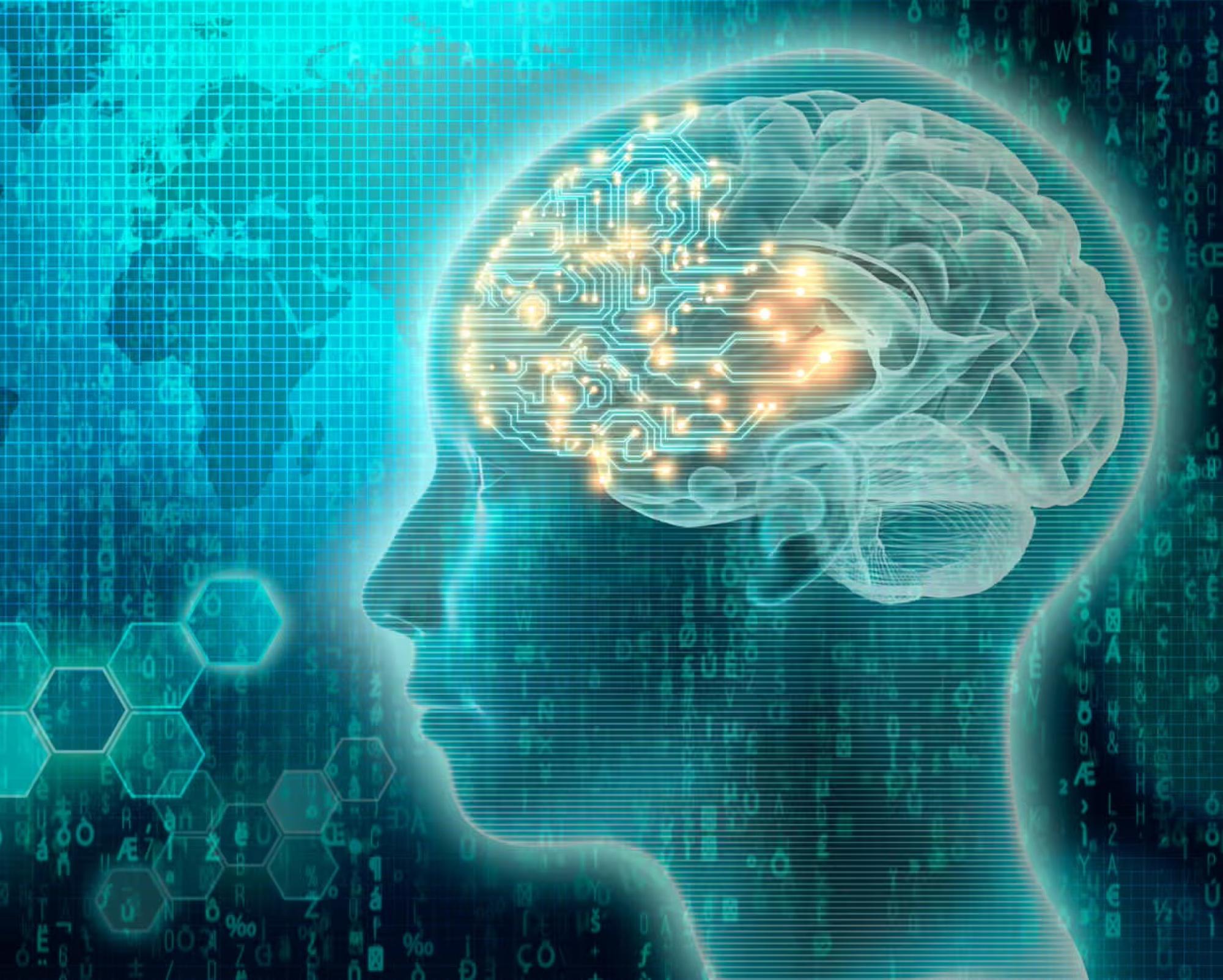
Unesco has adopted a set of global standards on the ethics of neurotechnology, a field that has been described as "a bit of a wild west". She said the new standards were driven by two recent developments in neurotechnology: artificial intelligence (AI), which offers vast possibilities in decoding brain data, and the proliferation of consumer-grade neurotech devices such as earbuds that claim to read brain activity and glasses that track eye movements. The standards define a new category of data, "neural data", and suggest guidelines governing its protection. A list of more than 100 recommendations ranges from rights-based concerns to addressing scenarios that are " at least for now " science fiction, such as companies using neurotechnology to subliminally market to people during their dreams. "Neurotechnology has the potential to define the next frontier of human progress, but it is not without risks," said Unesco's director general, Audrey Azoulay. The new standards would "enshrine the inviolability of the human mind", she said. Advocates for neurotech regulation emphasise the importance of safeguarding personal data. Unesco's standards highlight the need for "mental privacy" and "freedom of thought". "What's happening with all this legislation is fear. People are afraid of what this technology is capable of. The idea of neurotech reading people's minds is scary," said Kristen Mathews, a lawyer who works on mental privacy issues.
Latest
Latest News
Each news summary is created according to strict standards. Here's how we do it.
Each summary is created using a consistent editorial procedure. The target length is approximately 16 lines of 11-point Arial text in a 650-pixel-wide column. Up to 25% of a summary may be set in bold to emphasize the most important ideas. Summaries are composed of verbatim excerpts presented in the same sequence as they appear in the original news source, with very minor editorial additions. Where material has been omitted between excerpts, the omission is indicated with ellipses (...). Any words added by an editor for clarity or context appear in [brackets]. Our original news editor was Fred Burks. Tod Fletcher edited most summaries from 2007 through 2014, and Mark Bailey has served as news editor since 2014.