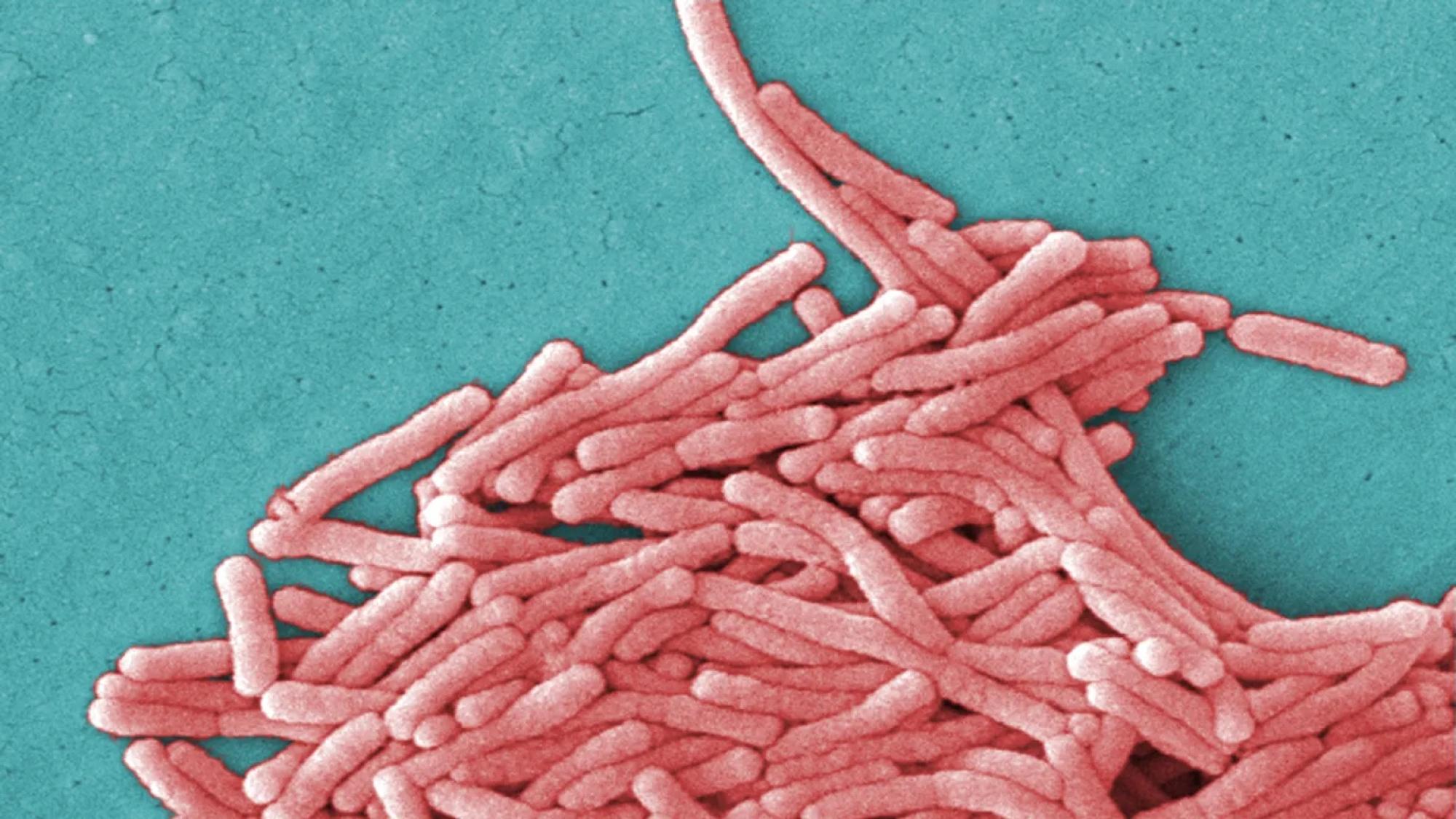
World-leading scientists have called for a halt on research to create "mirror life" microbes amid concerns that the synthetic organisms would present an "unprecedented risk" to life on Earth. The international group of Nobel laureates and other experts warn that mirror bacteria, constructed from mirror images of molecules found in nature, could become established in the environment and slip past the immune defences of natural organisms, putting humans, animals and plants at risk of lethal infections. Many molecules for life can exist in two distinct forms, each the mirror image of the other. The DNA of all living organisms is made from "right-handed" nucleotides, while proteins, the building blocks of cells, are made from "left-handed" amino acids. Why nature works this way is unclear: life could have chosen left-handed DNA and right-handed proteins instead. Scientists have already manufactured large, functional mirror molecules to study them more closely. Some have even taken baby steps towards building mirror microbes, though constructing a whole organism from mirror molecules is beyond today's know-how. The fresh concerns over the technology are revealed in a 299-page report and a commentary in the journal Science. Beyond causing lethal infections, the researchers doubt the microbes could be safely contained or kept in check by natural competitors and predators. Existing antibiotics are unlikely to be effective, either.
Latest
Latest News
Each news summary is created according to strict standards. Here's how we do it.
Each summary is created using a consistent editorial procedure. The target length is approximately 16 lines of 11-point Arial text in a 650-pixel-wide column. Up to 25% of a summary may be set in bold to emphasize the most important ideas. Summaries are composed of verbatim excerpts presented in the same sequence as they appear in the original news source, with very minor editorial additions. Where material has been omitted between excerpts, the omission is indicated with ellipses (...). Any words added by an editor for clarity or context appear in [brackets]. Our original news editor was Fred Burks. Tod Fletcher edited most summaries from 2007 through 2014, and Mark Bailey has served as news editor since 2014.