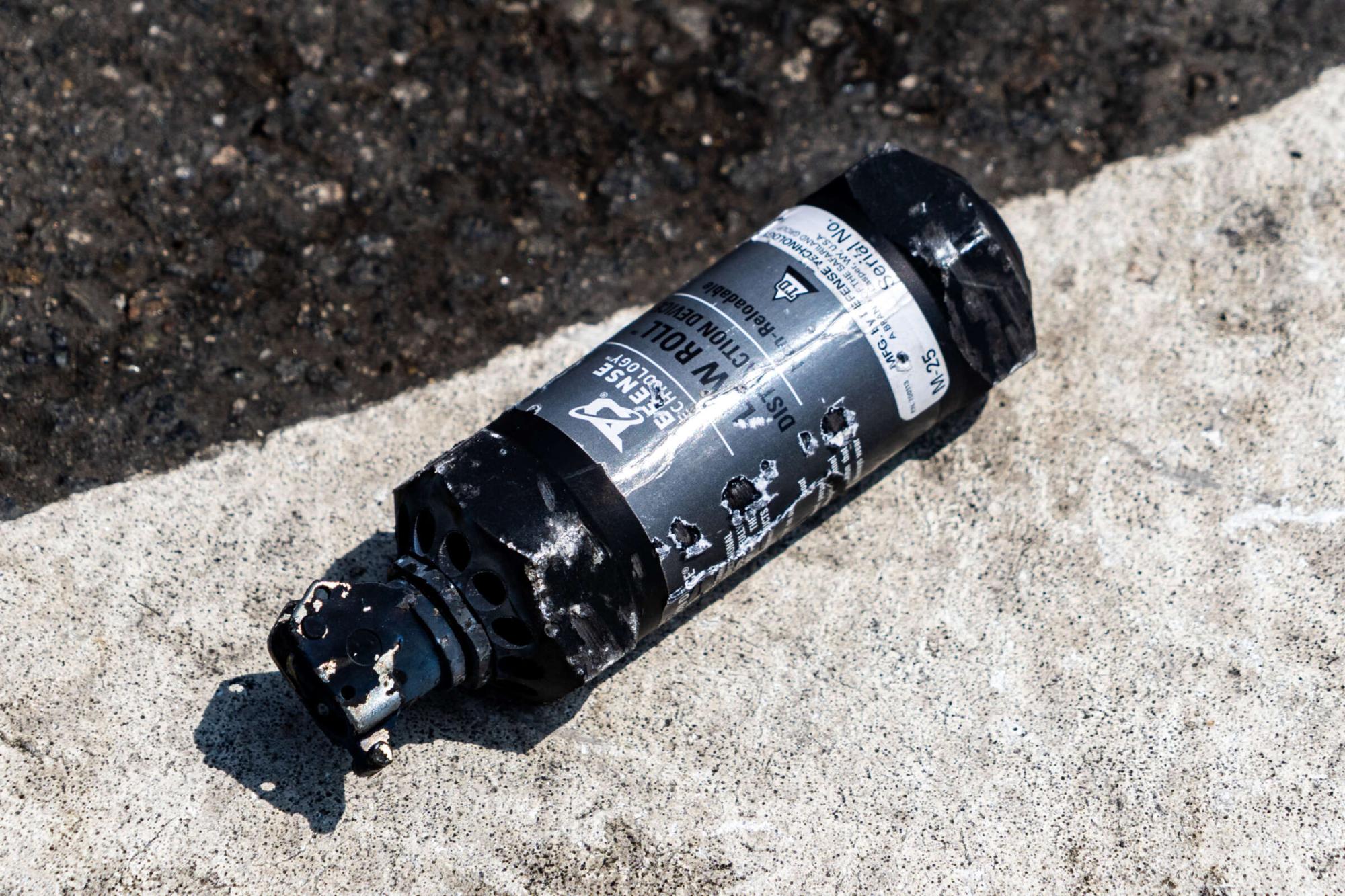
In women's prisons across Texas, tear gaswhich includes agents such as pepper spray"has become the go-to response for minor infractions. Guards deploy it at close range in enclosed spaces, against policy, against humanity. They gas entire housing units to punish one person's "noncompliance." What they don't tell you is how this chemical weapon"which is banned in warfare ... affects women's bodies differently than men's. Studies have found that women experience more serious reactions to tear gas exposure, particularly impacting reproductive health. In 2021, a study on the effects of tear gas on reproductive health found that nearly 900 people reported abnormal menstrual changes after exposure to tear gas. Other studies have linked tear gas exposure to miscarriage and fetal harm. Criminal justice advocates have decried the growing use of tear gas and pepper spray in prisons, saying that they should only be used as a last resort when there's a serious threat to safety. But I've seen guards deploy it for cursing, for walking too slowly, for asking too many questions. It's not about safety; it's about control, about breaking our spirits through chemical warfare. The solution isn't better ventilation or more careful deployment, though both would help. The solution is recognizing that the use of chemical weapons against the incarcerated"many of whom are trauma survivors"is inherently sadistic and unnecessary. Tear gas is even used in Texas juvenile facilities.
Latest
Latest News
Each news summary is created according to strict standards. Here's how we do it.
Each summary is created using a consistent editorial procedure. The target length is approximately 16 lines of 11-point Arial text in a 650-pixel-wide column. Up to 25% of a summary may be set in bold to emphasize the most important ideas. Summaries are composed of verbatim excerpts presented in the same sequence as they appear in the original news source, with very minor editorial additions. Where material has been omitted between excerpts, the omission is indicated with ellipses (...). Any words added by an editor for clarity or context appear in [brackets]. Our original news editor was Fred Burks. Tod Fletcher edited most summaries from 2007 through 2014, and Mark Bailey has served as news editor since 2014.