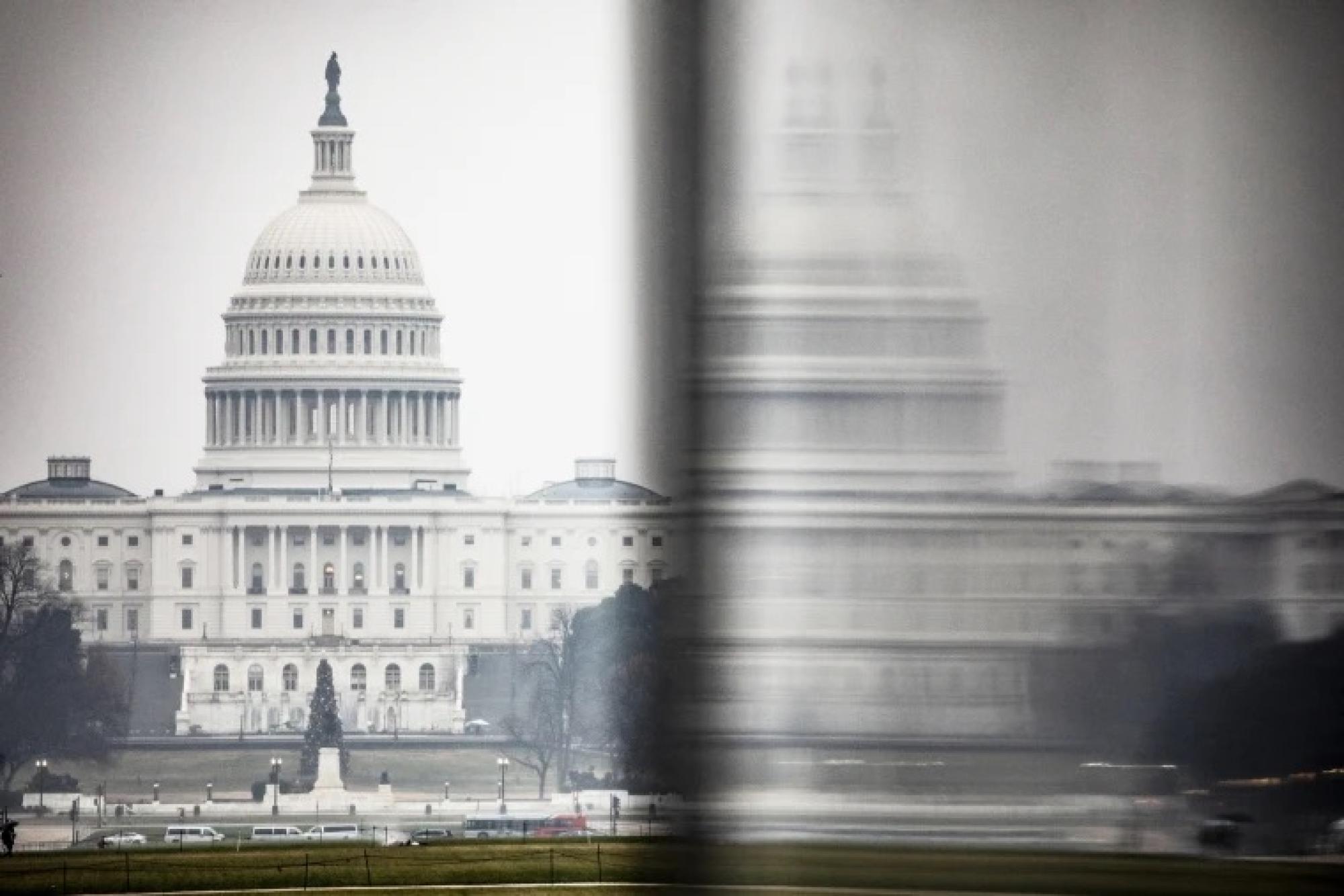
According to the American Psychological Association, "Misinformation is false or inaccurate information " getting the facts wrong. Disinformation is false information which is deliberately intended to mislead " intentionally misstating the facts." What we've seen over the past several years is our government purveying disinformation " deliberately misleading the public. When our government peddles disinformation, it undermines the public trust. That's why only 22 percent of Americans say they trust the government. Hillary Clinton's campaign made and paid for the Russian collusion hoax, which asserted that Donald Trump had "worked with the Russians to try to rig the 2016 election," to quote then-House Judiciary Chairman Jerrold Nadler (D-N.Y.). Clinton and her campaign ... were working behind the scenes with government agents " including the FBI and elected Democrats " to spread disinformation. Several operatives within the FBI were promoting the hoax and giving it the appearance of fact, which allowed the media to cover the issue ad infinitum. One FBI agent, Kevin Clinesmith, even lied to the FISA Court so the government could continue monitoring the phone calls of U.S. citizens. The hoax cost taxpayers millions of dollars, first with the Mueller Report and then the Durham Report. Yet no collusion was found, just disinformation. Retired Dr. Anthony Fauci, who served as director of the National Institute of Allergy and Infectious Diseases ... [asserted] the natural origin of the COVID-19 virus. Several years later, there is a widespread assumption that the virus leaked from the Wuhan Virility Institute in China. Fauci did not want people to believe the lab-leak theory, perhaps because he and others had worked with and provided federal funds to that laboratory.
Latest
Latest News
Each news summary is created according to strict standards. Here's how we do it.
Each summary is created using a consistent editorial procedure. The target length is approximately 16 lines of 11-point Arial text in a 650-pixel-wide column. Up to 25% of a summary may be set in bold to emphasize the most important ideas. Summaries are composed of verbatim excerpts presented in the same sequence as they appear in the original news source, with very minor editorial additions. Where material has been omitted between excerpts, the omission is indicated with ellipses (...). Any words added by an editor for clarity or context appear in [brackets]. Our original news editor was Fred Burks. Tod Fletcher edited most summaries from 2007 through 2014, and Mark Bailey has served as news editor since 2014.