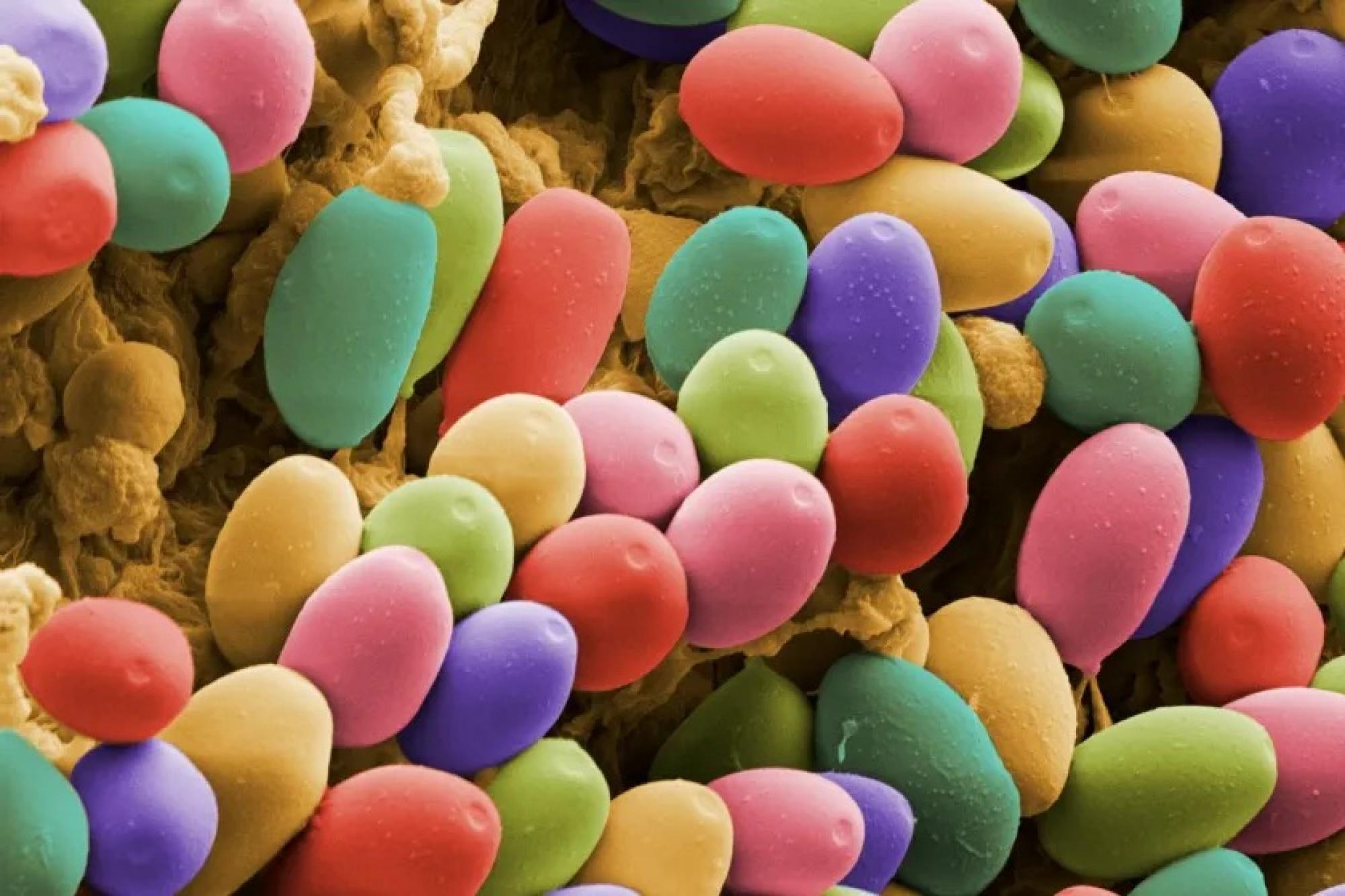
A woman with severe Alzheimer's disease who spent years communicating in monosyllables started initiating conversations after receiving a large dose of psilocybin. The woman, who also had urinary incontinence and was unable to get around without assistance, also regained control of her bladder and experienced improved mobility in the weeks after taking the drug. The case report, published in the journal Frontiers in Neuroscience, adds to evidence that psychedelics can acutely alter cognition and brain function. The woman, who has not been named, is 83 and was diagnosed with Alzheimer's disease 10 years ago. With the consent of her son, the woman was given 5 grams of the Enigma strain of the highly potent magic mushroom species Psilocybe cubensis, administered orally. She initially began sweating profusely and entered a prolonged deep sleep-like state. But around 19 hours later, her son reported her initiating a conversation that included her memories and reflections, which lasted around 4 hours. Over the subsequent days and weeks, Lago and his colleagues observed her regaining urinary continence, dressing herself and spontaneously entering conversations. The researchers have stressed that her Alzheimer's has not been reversed, but she may have some residual functional capacity that psychedelics can tap into. We know that psilocybin activates serotonin receptors in the brain, which is thought to boost its plasticity.
Latest
Latest News
Each news summary is created according to strict standards. Here's how we do it.
Each summary is created using a consistent editorial procedure. The target length is approximately 16 lines of 11-point Arial text in a 650-pixel-wide column. Up to 25% of a summary may be set in bold to emphasize the most important ideas. Summaries are composed of verbatim excerpts presented in the same sequence as they appear in the original news source, with very minor editorial additions. Where material has been omitted between excerpts, the omission is indicated with ellipses (...). Any words added by an editor for clarity or context appear in [brackets]. Our original news editor was Fred Burks. Tod Fletcher edited most summaries from 2007 through 2014, and Mark Bailey has served as news editor since 2014.