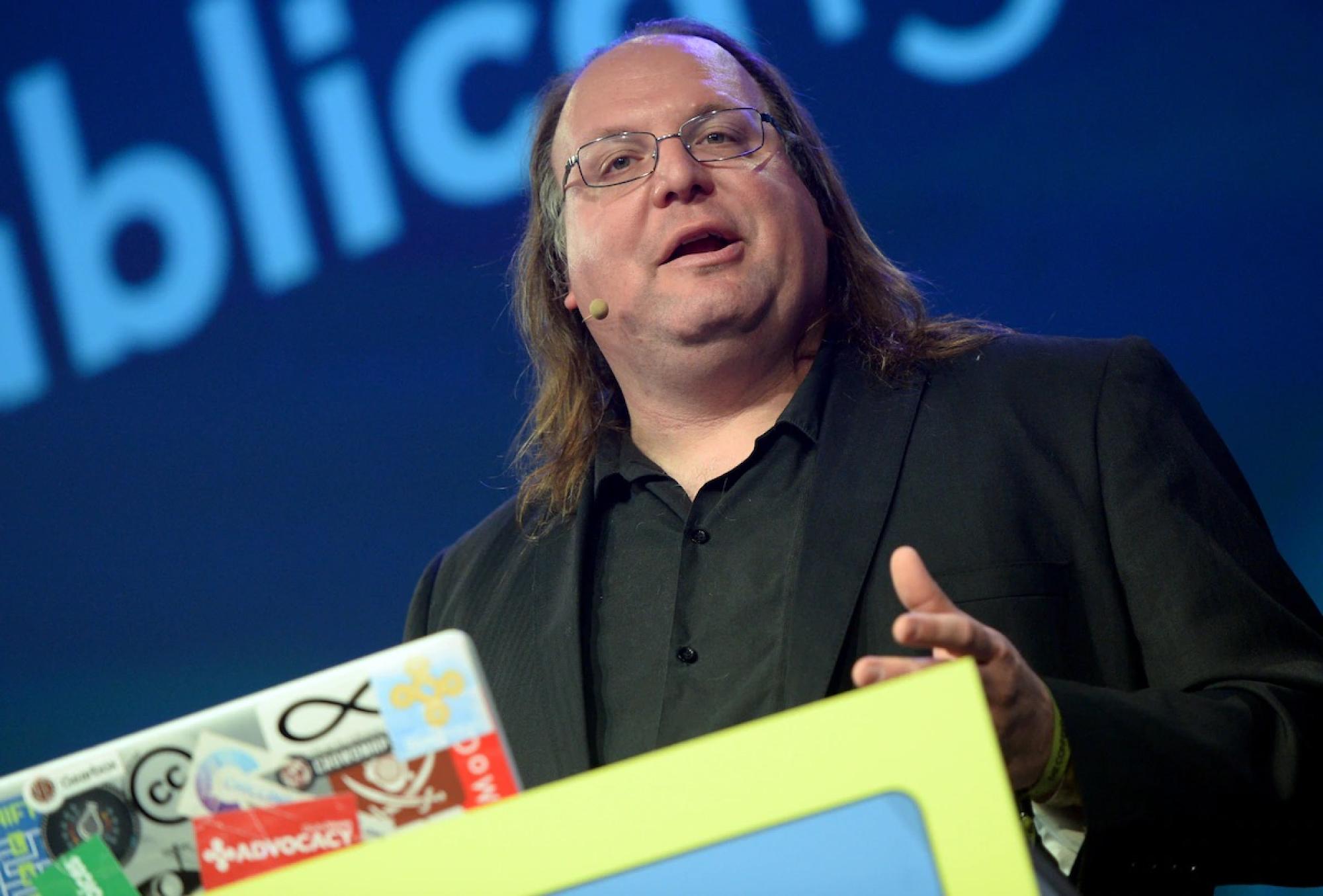
Ethan Zuckerman, a longtime technologist and social media scholar, thought he fully understood Section 230, the 1996 statute that contains the famous "26 words that created the internet." But three years ago, he was reading its full text aloud to his class at the University of Massachusetts at Amherst when suddenly, in his words, "a lightbulb went off in my head." It struck him that the law, widely understood to shield tech companies from being sued for their users' posts, also protects users. In particular, it protects people who build tools to filter or moderate online content. People like Zuckerman's friend Louis Barclay, a developer who in 2021 was permanently banned from Facebook and Instagram for developing a tool called "Unfollow Everything" that lets users, well, unfollow everything and restart their feeds fresh. Three years later, that eureka moment has turned into a lawsuit " one that, if successful, could loosen Big Tech's grip on how people use social media. The suit ... asks a California court to declare that Meta can't ban or sue him for building an unfollowing tool inspired by Barclay's. If the suit succeeds, Zuckerman plans to release the tool, called "Unfollow Everything 2.0," and hopes a wave of other tools to give users more control over their online lives will follow. Such tools are sometimes called "middleware" and have been touted by the Stanford political scientist Francis Fukuyama as a way to break Silicon Valley's chokehold on online speech.
Latest
Latest News
Each news summary is created according to strict standards. Here's how we do it.
Each summary is created using a consistent editorial procedure. The target length is approximately 16 lines of 11-point Arial text in a 650-pixel-wide column. Up to 25% of a summary may be set in bold to emphasize the most important ideas. Summaries are composed of verbatim excerpts presented in the same sequence as they appear in the original news source, with very minor editorial additions. Where material has been omitted between excerpts, the omission is indicated with ellipses (...). Any words added by an editor for clarity or context appear in [brackets]. Our original news editor was Fred Burks. Tod Fletcher edited most summaries from 2007 through 2014, and Mark Bailey has served as news editor since 2014.