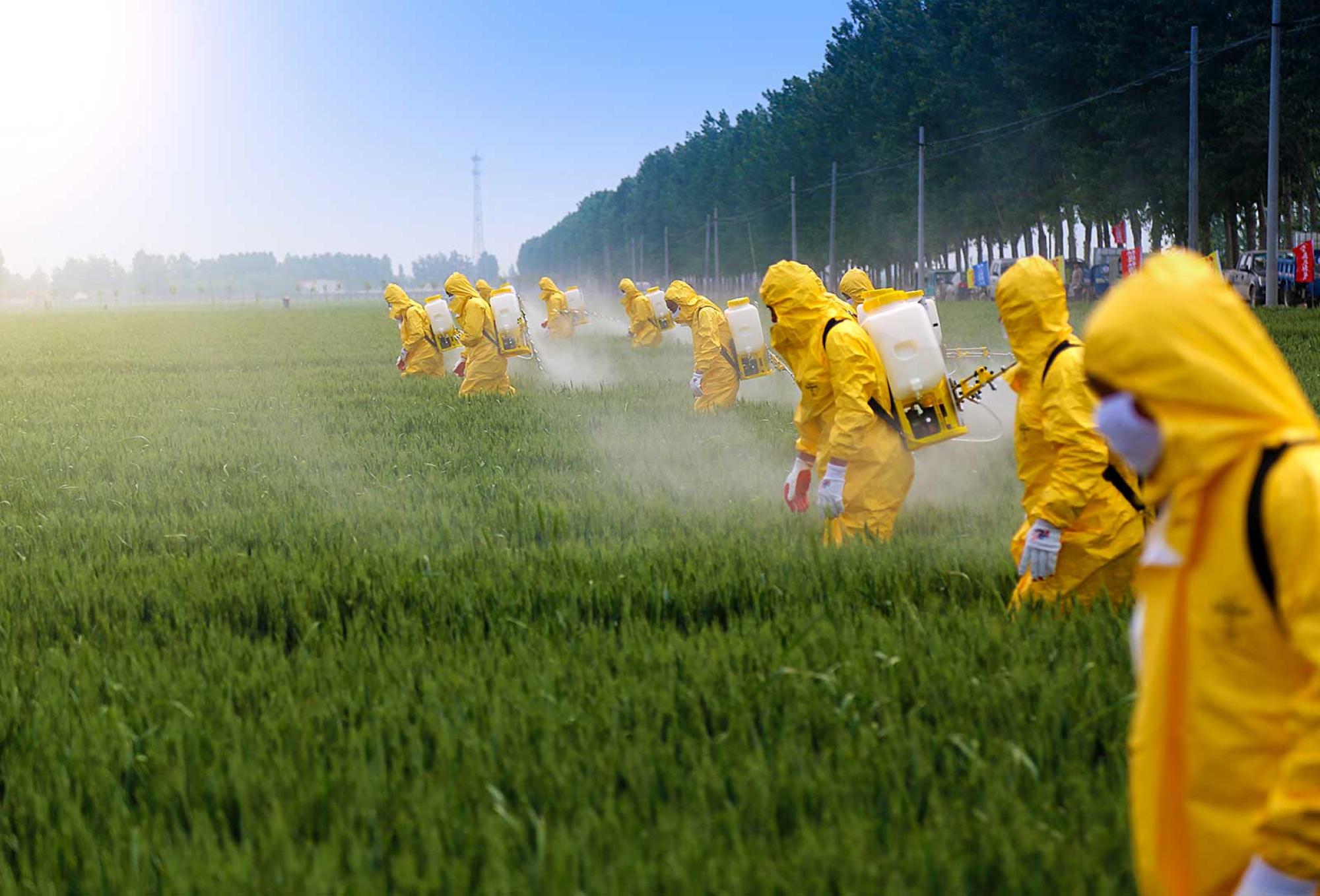
As the 2025 USDA Dietary Guidelines for Americans take shape, a serious disconnect threatens public health. Some advocates are calling for higher intake of animal fats and promoting so called ancestral or animal based keto diets, citing traditional wisdom and nutrient density. Diets like Keto often rely on meat and dairy from industrial production systems, where contamination with drugs and chemicals is routine. The promise of healing through meat and fat collapses when those foods carry residues of antibiotics, steroid hormones, synthetic preservatives, arsenicals, cocciodiostats, and pesticides. Many of these toxins accumulate precisely in the fats and organs being celebrated as nutrient rich. A decade ago, as policy director at the Center for Food Safety, I helped publish a report entitled America's Secret Animal Drug Problem," identifying over 450 animal drugs and feed additives used in U.S. meat production. That number alarmed me then. Today, the Food and Drug Administration has approved nearly 700 veterinary drugs for use in food-producing animals. This figure includes not only growth promoters and antibiotics but also synthetic hormones, beta agonists, coccidiostats, and antiparasitics. Less than 1% of meat and dairy in the United States is produced in regenerative organic systems on pasture. The remaining 99% comes from animals housed in industrial facilities, fed chemically saturated GMO grains.
Latest
Latest News
Each news summary is created according to strict standards. Here's how we do it.
Each summary is created using a consistent editorial procedure. The target length is approximately 16 lines of 11-point Arial text in a 650-pixel-wide column. Up to 25% of a summary may be set in bold to emphasize the most important ideas. Summaries are composed of verbatim excerpts presented in the same sequence as they appear in the original news source, with very minor editorial additions. Where material has been omitted between excerpts, the omission is indicated with ellipses (...). Any words added by an editor for clarity or context appear in [brackets]. Our original news editor was Fred Burks. Tod Fletcher edited most summaries from 2007 through 2014, and Mark Bailey has served as news editor since 2014.