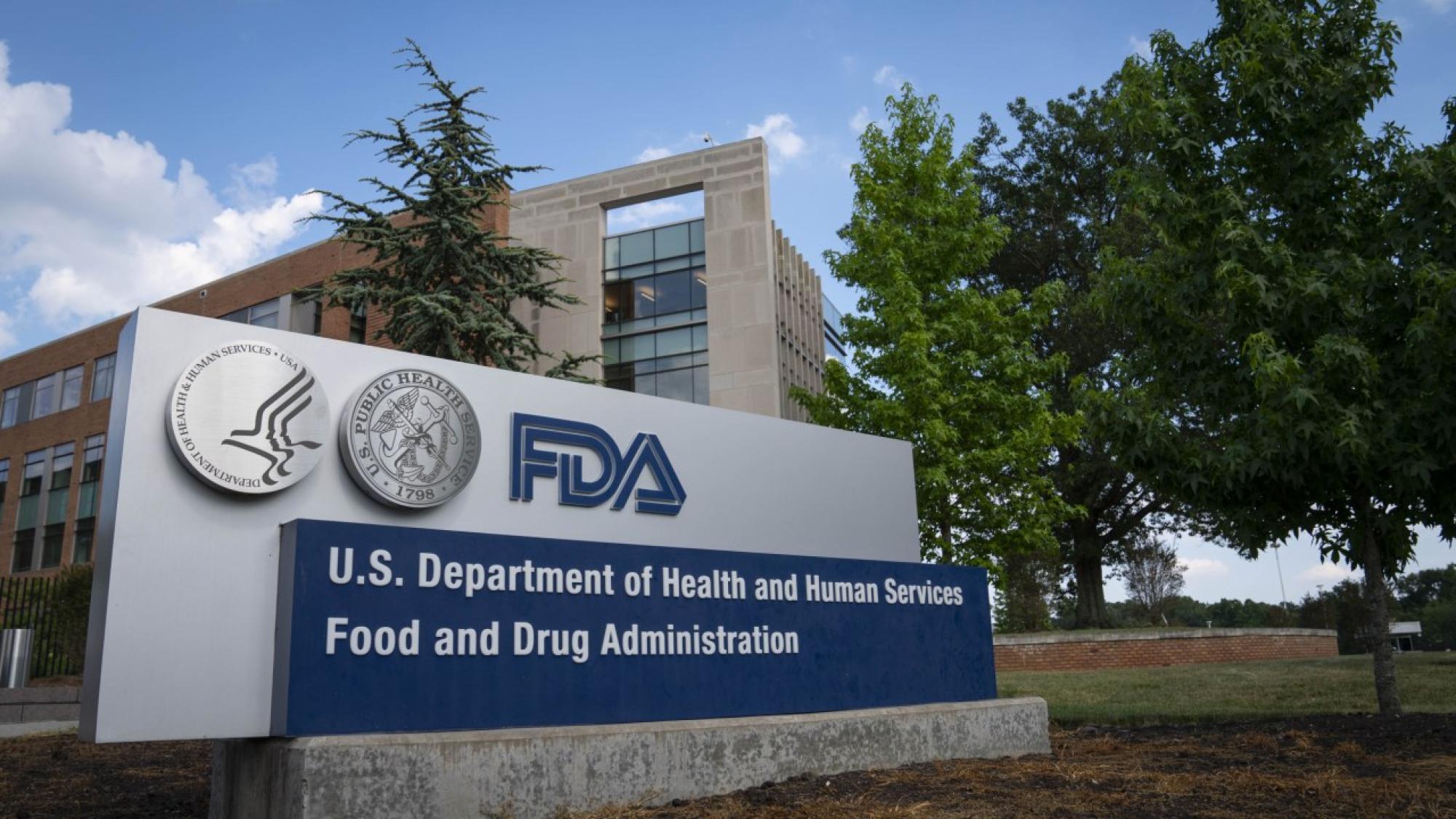
Late last year, the U.S. Food and Drug Administration (FDA) quietly introduced a regulation that may be one of the most important shifts in how [clinical research organizations, universities large and small, pharma companies, and multi-billion dollar corporations] conduct future medical and public health research. A bedrock of ethical research design is the universal requirement of informed consent for any medical procedure, treatment, or intervention. These measures have generally been strengthened since the Nuremberg Trials, formally adopted across the U.S. government through the institutional review board (IRB) system. An IRB is a committee of specialists and administrators at each institution that oversees research design and assures the protection of research subjects. At its core, the new FDA rule change allows any IRB to broadly assume the FDA's own exemption power, dubiously granted under the 21st Century Cures Act of 2016, to grant exemptions to informed consent requirements based on "minimal risk." Based on vague guidelines, it effectively gives thousands of IRB committees the unilateral ability to determine that researchers need not obtain true informed consent from research participants. The relaxed standards could facilitate the quick approval of controversial research projects. The Gates Foundation-backed Oxitec program is currently releasing millions of genetically modified mosquitos in the Florida Keys. Another application of the relaxed standards is to government-funded studies of online posts designed to identify "misinformation." Entities like the Stanford Internet Observatory have laundered government demands for censorship of speech"even true speech"in online settings like Facebook and X (formerly Twitter). The literal purpose of this research is to harm its research subjects by censoring their speech and labeling them as purveyors of misinformation. In 2021, a conservative journalist sued Stanford University for slandering him via this research project, which never sought his informed consent to be a subject of their study. Under the new FDA rule, IRBs everywhere would feel no compunction to require it.
Latest
Latest News
Each news summary is created according to strict standards. Here's how we do it.
Each summary is created using a consistent editorial procedure. The target length is approximately 16 lines of 11-point Arial text in a 650-pixel-wide column. Up to 25% of a summary may be set in bold to emphasize the most important ideas. Summaries are composed of verbatim excerpts presented in the same sequence as they appear in the original news source, with very minor editorial additions. Where material has been omitted between excerpts, the omission is indicated with ellipses (...). Any words added by an editor for clarity or context appear in [brackets]. Our original news editor was Fred Burks. Tod Fletcher edited most summaries from 2007 through 2014, and Mark Bailey has served as news editor since 2014.