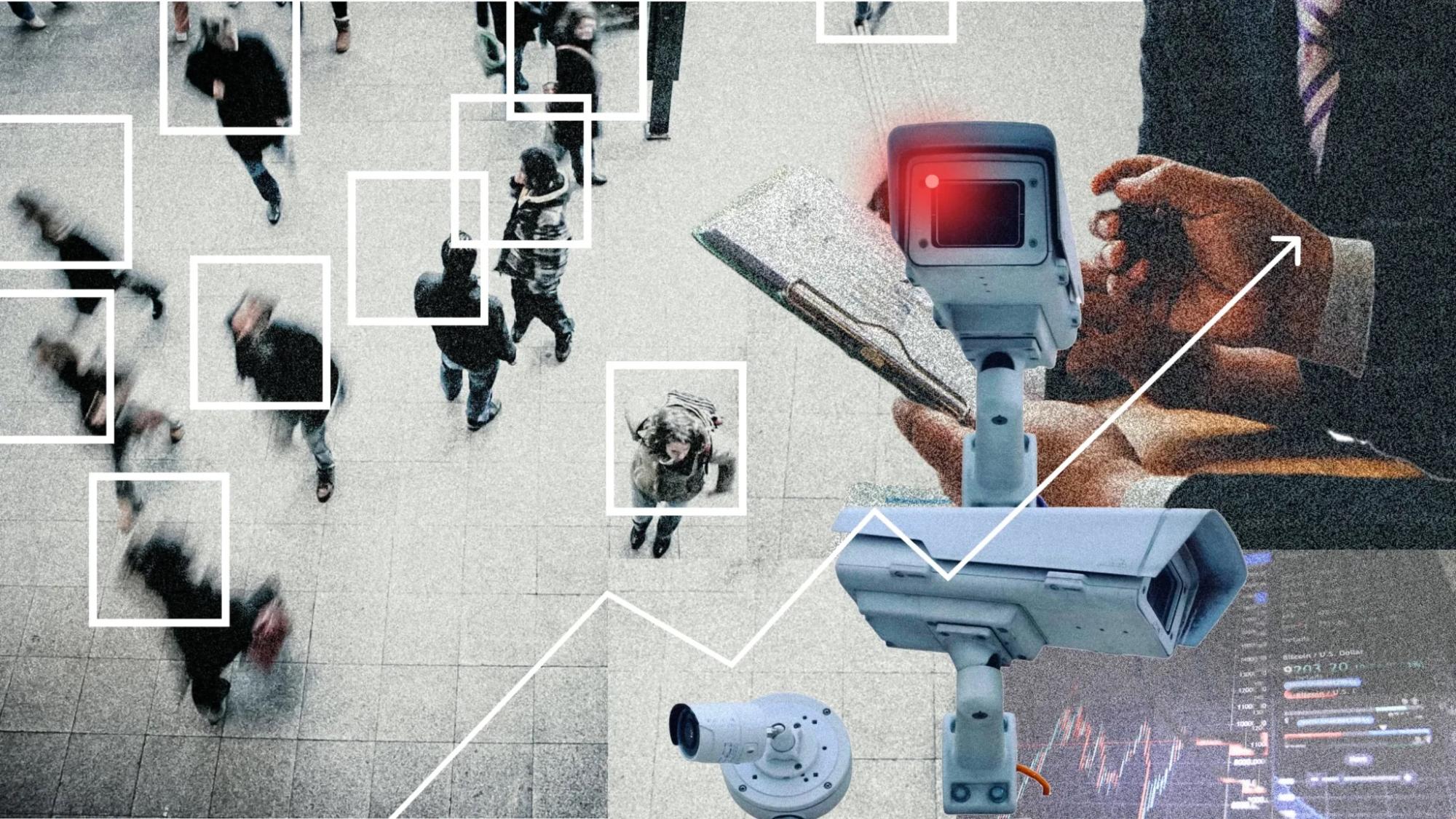
Powerful tools that collect and aggregate data, enable facial recognition, and increase surveillance have become a bedrock of American policing over the past two decades. In collaboration with private technology companies, law enforcement agencies at all levels have experimented with how to implement these tools and created a large consumer market for them. Against this backdrop, it is essential to understand the role of the tech industry in both increasing the reach of local law enforcement and enabling mass deportations by the Trump administration. ICE is, for example, one of the largest customers for Clearview AI, a facial recognition company that has scraped more than 30 billion faces from internet sources. Data brokers, including one owned jointly by several airline companies, are actively selling data to ICE and other federal agencies. One of the most troubling recent developments in police data is that it captures information about all people. This "dragnet" approach to data collection is designed to give law enforcement maximum access to the entire population, transforming all personal information into potential evidence. Increasingly, law enforcement agencies are opting to purchase this data rather than collect it themselves, exploiting a loophole in Fourth Amendment legal protections. Some police departments have begun pressuring people into providing DNA samples at routine traffic stops, an attempt to expand their databases.
Latest
Latest News
Each news summary is created according to strict standards. Here's how we do it.
Each summary is created using a consistent editorial procedure. The target length is approximately 16 lines of 11-point Arial text in a 650-pixel-wide column. Up to 25% of a summary may be set in bold to emphasize the most important ideas. Summaries are composed of verbatim excerpts presented in the same sequence as they appear in the original news source, with very minor editorial additions. Where material has been omitted between excerpts, the omission is indicated with ellipses (...). Any words added by an editor for clarity or context appear in [brackets]. Our original news editor was Fred Burks. Tod Fletcher edited most summaries from 2007 through 2014, and Mark Bailey has served as news editor since 2014.