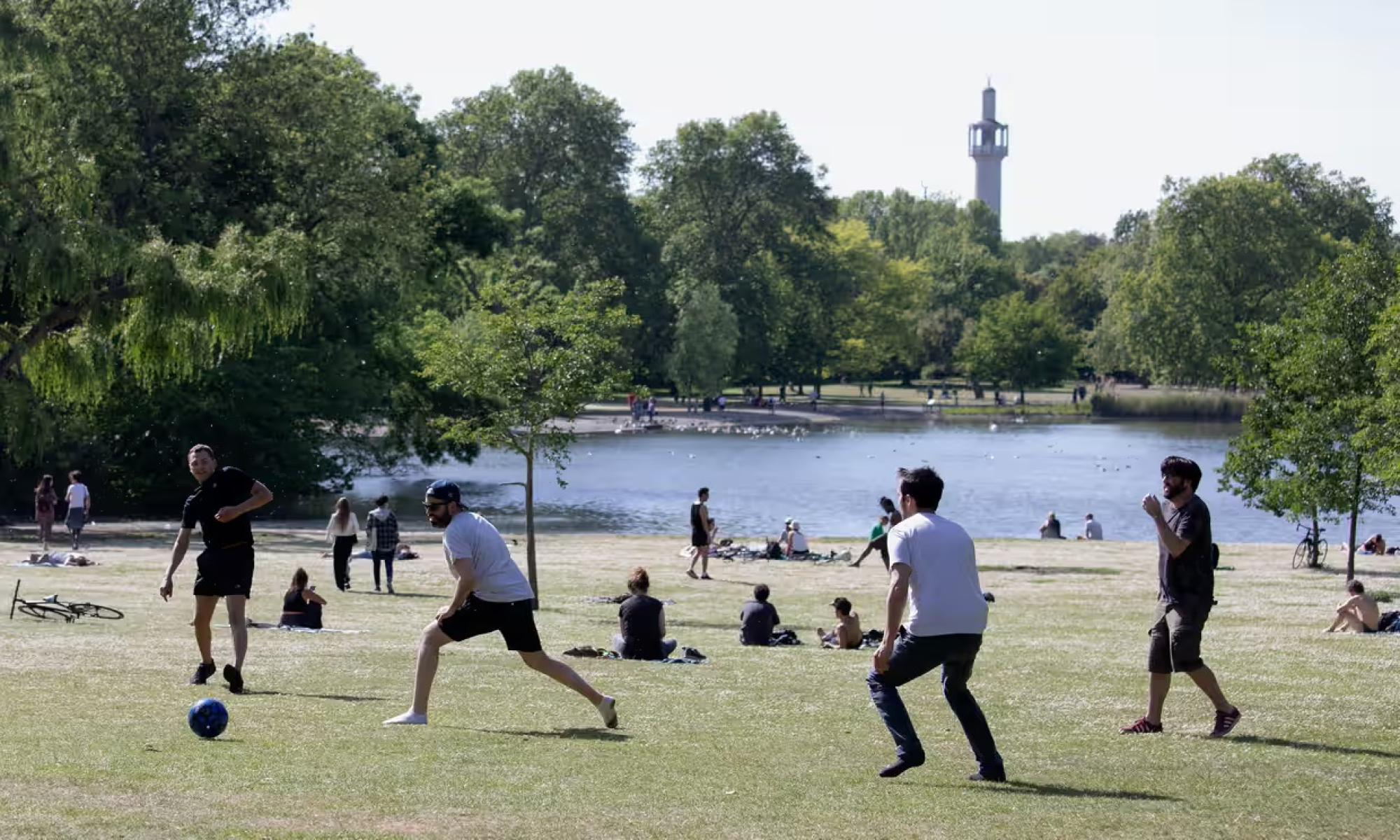
One of the most interesting health research projects of the past decade or so has looked at how exactly exercise makes us feel good. Research shows that there appears to be a clear scientific reason, that we can see at a cellular level. When muscles contract, they secrete chemicals into the bloodstream. Among these chemicals are myokines, which have been referred to as "hope molecules". These small proteins travel to the brain, cross the blood-brain barrier, and act as an antidepressant. They do this by improving our mood, our ability to learn, our capacity for locomotor activity, and protect the brain from the negative effects of ageing. This has been referred to as "muscle-brain cross-talk". They're also responsible for improved metabolism, reduced inflammation, and increased muscle strength. Myokines are not solely responsible for feeling good: exercise also releases neurotransmitters such as dopamine, noradrenaline and serotonin that have a positive impact on our brains. So when you're feeling low, it's tempting to do a Netflix binge, or spend hours scrolling on social media comparing others' lives to yours, and feeling increasingly sad. This is especially true for teenagers. The antidote we know clearly from epidemiology and biology is to just get moving: whether it's joining a team, going for a long walk, or finding a community gym or yoga class. You'll certainly feel more hopeful afterwards.
Latest
Latest News
Each news summary is created according to strict standards. Here's how we do it.
Each summary is created using a consistent editorial procedure. The target length is approximately 16 lines of 11-point Arial text in a 650-pixel-wide column. Up to 25% of a summary may be set in bold to emphasize the most important ideas. Summaries are composed of verbatim excerpts presented in the same sequence as they appear in the original news source, with very minor editorial additions. Where material has been omitted between excerpts, the omission is indicated with ellipses (...). Any words added by an editor for clarity or context appear in [brackets]. Our original news editor was Fred Burks. Tod Fletcher edited most summaries from 2007 through 2014, and Mark Bailey has served as news editor since 2014.