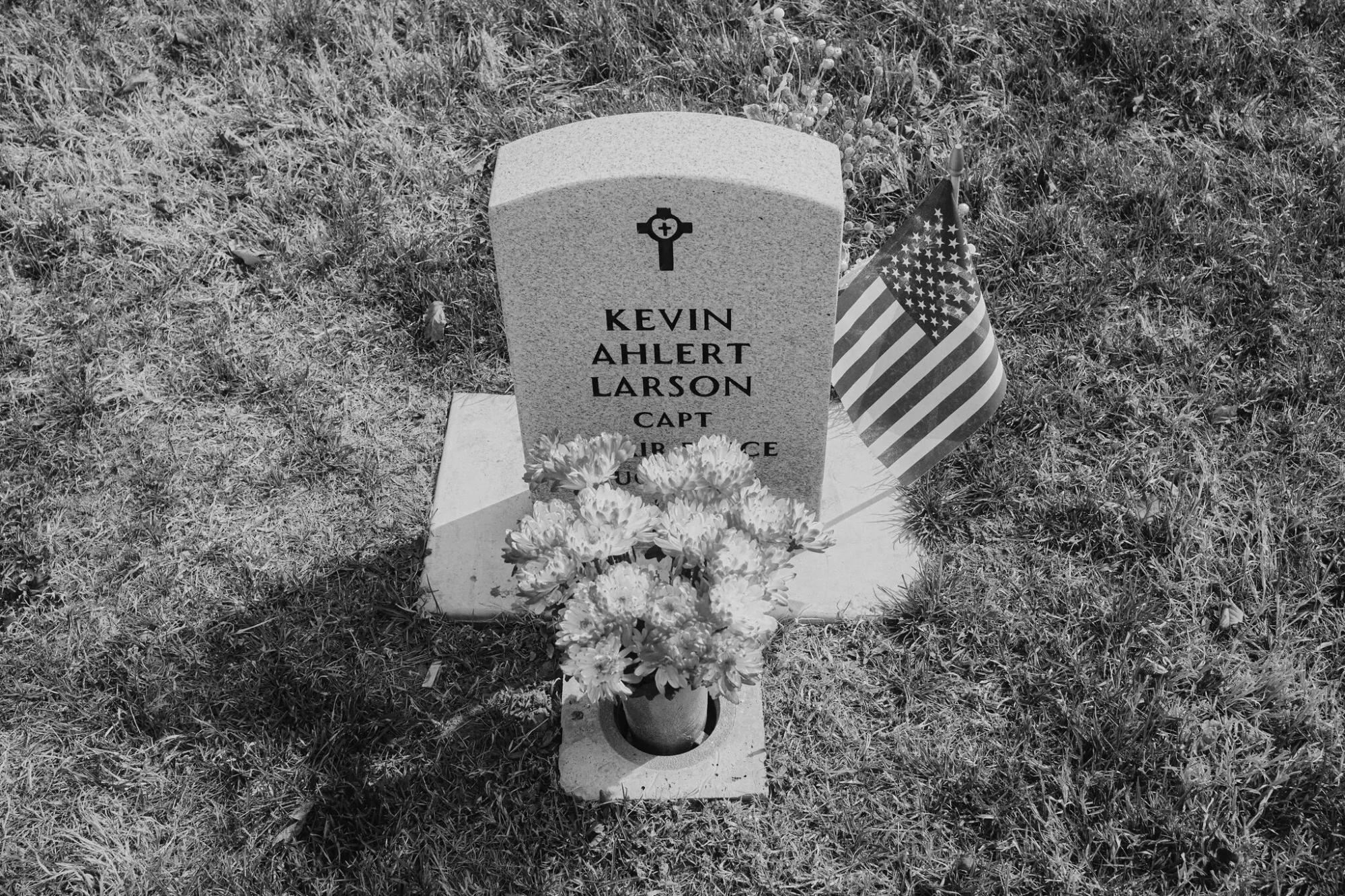
In the Air Force, drone pilots did not pick the targets. That was the job of someone pilots called "the customer." The customer might be a conventional ground force commander, the C.I.A. or a classified Special Operations strike cell. [Drone operator] Captain Larson described a mission in which the customer told him to track and kill a suspected Al Qaeda member. Then, the customer told him to use the Reaper's high-definition camera to follow the man's body to the cemetery and kill everyone who attended the funeral. In December 2016, the Obama administration loosened the rules. Strikes once carried out only after rigorous intelligence-gathering and approval processes were often ordered up on the fly, hitting schools, markets and large groups of women and children. Before the rules changed, [former Air Force captain James] Klein said, his squadron launched about 16 airstrikes in two years. Afterward, it conducted them almost daily. Once, Mr. Klein said, the customer pressed him to fire on two men walking by a river in Syria, saying they were carrying weapons over their shoulders. The weapons turned out to be fishing poles. Over time, Mr. Klein grew angry and depressed. Eventually, he refused to fire any more missiles. In 2020, he retired, one of many disillusioned drone operators who quietly dropped out. "We were so isolated, he said. "The biggest tell is that very few people stayed in the field. They just couldn't take it." Bennett Miller was an intelligence analyst, trained to study the Reaper's video feed. In late 2019 ... his team tracked a man in Afghanistan who the customer said was a high-level Taliban financier. For a week, the crew watched the man feed his animals, eat with family in his courtyard. Then the customer ordered the crew to kill him. A week later, the Taliban financier's name appeared again on the target list. "We got the wrong guy. I had just killed someone's dad," Mr. Miller said. "I had watched his kids pick up the body parts." In February 2020, he ... was hospitalized, diagnosed with PTSD and medically retired. Veterans with combat-related injuries, even injuries suffered in training, get special compensation worth about $1,000 per month. Mr. Miller does not qualify, because the Department of Veterans Affairs does not consider drone missions combat. "It's like they are saying all the people we killed somehow don't really count," he said. "And neither do we."
Latest
Latest News
Each news summary is created according to strict standards. Here's how we do it.
Each summary is created using a consistent editorial procedure. The target length is approximately 16 lines of 11-point Arial text in a 650-pixel-wide column. Up to 25% of a summary may be set in bold to emphasize the most important ideas. Summaries are composed of verbatim excerpts presented in the same sequence as they appear in the original news source, with very minor editorial additions. Where material has been omitted between excerpts, the omission is indicated with ellipses (...). Any words added by an editor for clarity or context appear in [brackets]. Our original news editor was Fred Burks. Tod Fletcher edited most summaries from 2007 through 2014, and Mark Bailey has served as news editor since 2014.