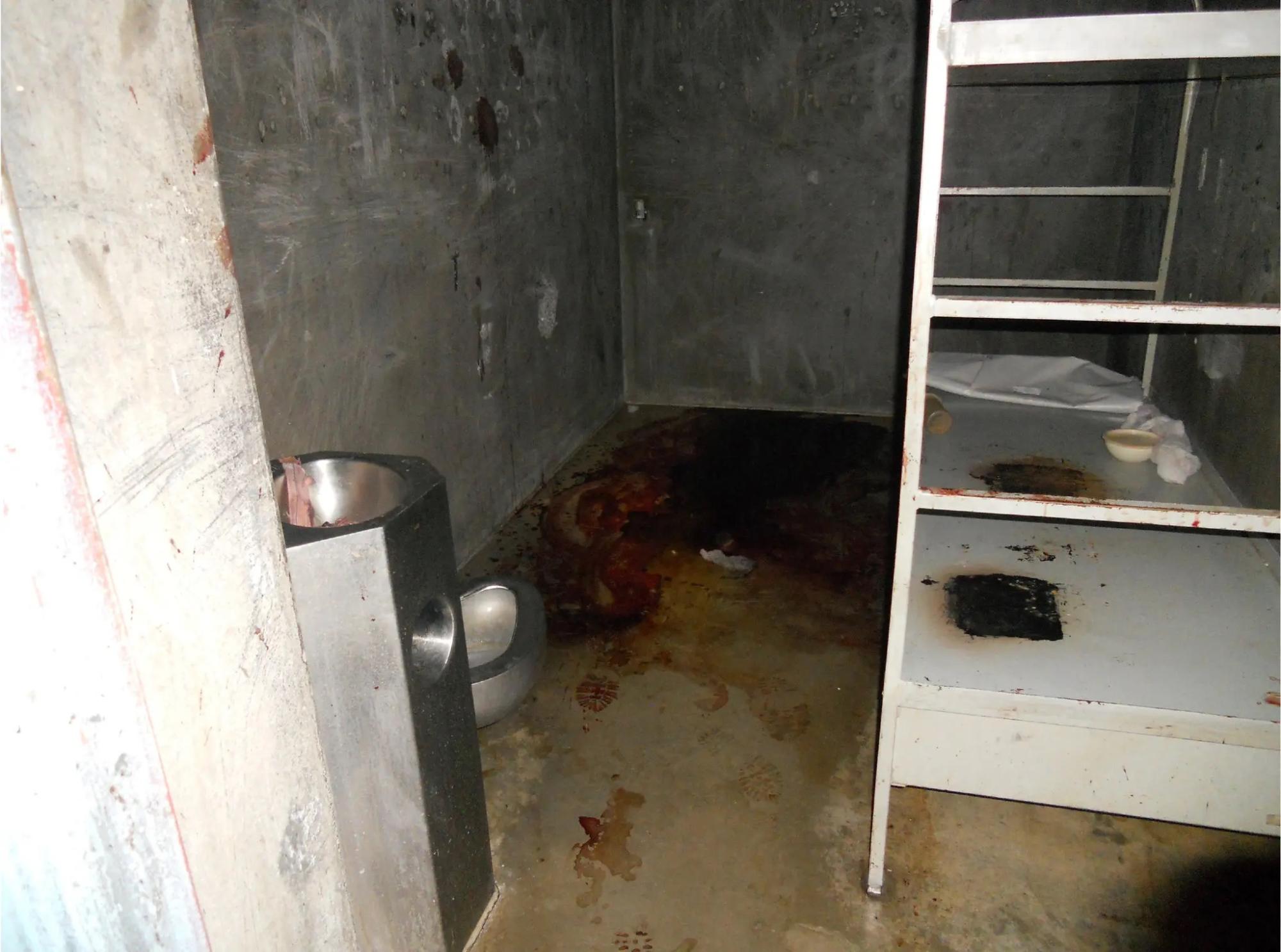
America talks about recidivism as if it were a mystery. It isn't. It is a predictable outcome of how we run prisons. The U.S. Bureau of Justice Statistics has tracked what happens after release for decades. In a 10-year follow-up of people released from state prison, about two-thirds were arrested again within three years, and more than eight in ten within 10 years. A newer national analysis still showed roughly six in ten rearrested within three years. That is not just a series of bad individual choices " rather, it is a system producing a revolving door. Other countries have demonstrated a different way to operate secure prisons " one that changes outcomes without weakening accountability or surrendering public control. Over the past year, I have toured facilities and spoken directly with leaders connected to the only nonprofit prison systems operating at scale internationally. They share one defining feature: rehabilitation is treated as a core operational mission, not a secondary program. The question is not government prisons versus private prisons. It is whether correctional systems are designed to reward safety, stability and successful reentry, or whether they default to capacity management and crisis response. Nonprofit operators differ fundamentally from both traditional government bureaucracy and for-profit incarceration. There are no shareholders, no pressure to pay dividends, no incentives to keep beds full. Success is measured by what happens after release.
Latest
Latest News
Each news summary is created according to strict standards. Here's how we do it.
Each summary is created using a consistent editorial procedure. The target length is approximately 16 lines of 11-point Arial text in a 650-pixel-wide column. Up to 25% of a summary may be set in bold to emphasize the most important ideas. Summaries are composed of verbatim excerpts presented in the same sequence as they appear in the original news source, with very minor editorial additions. Where material has been omitted between excerpts, the omission is indicated with ellipses (...). Any words added by an editor for clarity or context appear in [brackets]. Our original news editor was Fred Burks. Tod Fletcher edited most summaries from 2007 through 2014, and Mark Bailey has served as news editor since 2014.