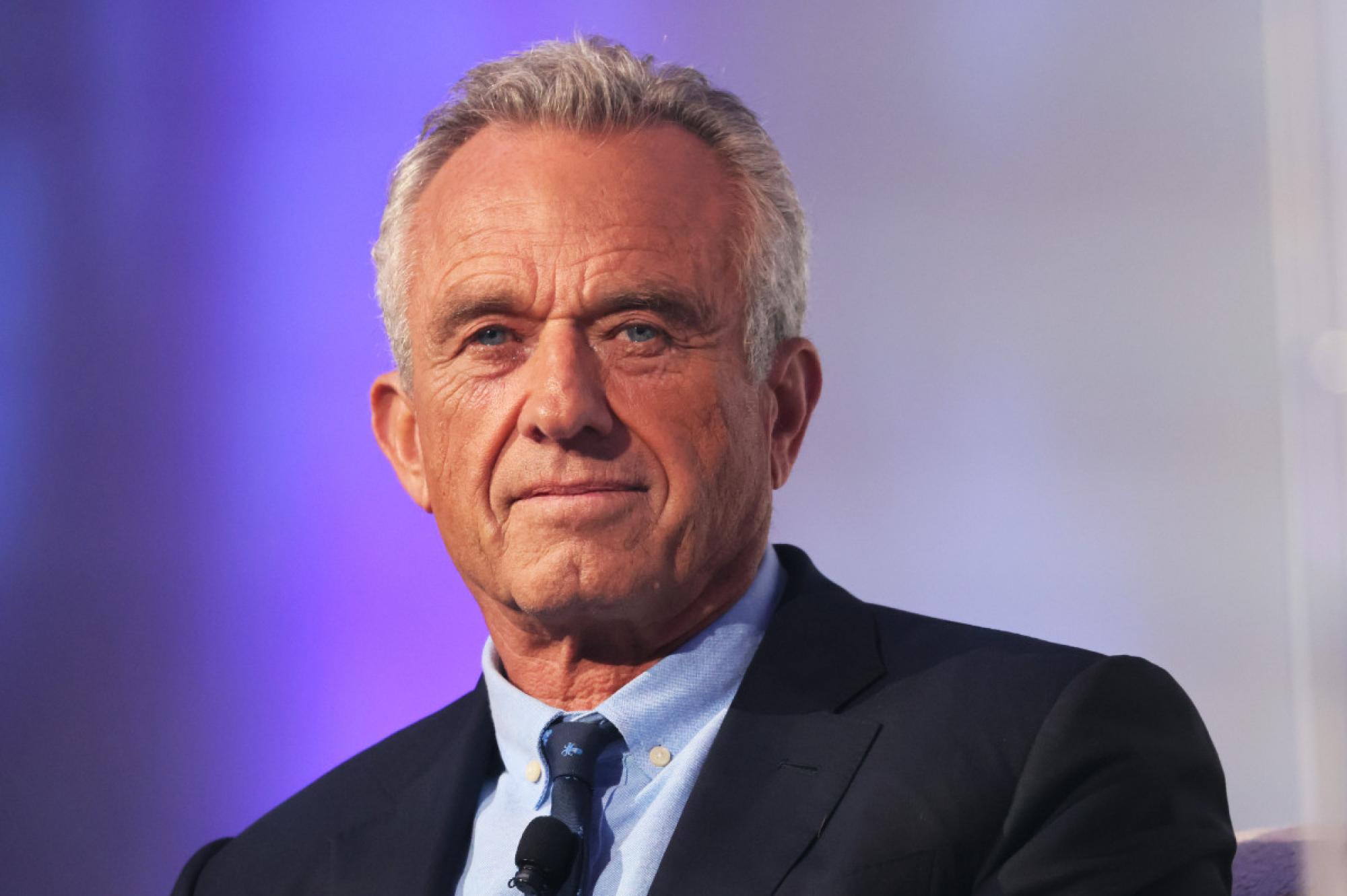
For 55 years, every presidential administration has granted early protection to major candidates who requested it. The Biden administration is the sole outlier. The Kennedy campaign made its fifth formal request for Secret Service protection in March, citing a 67-page report of repeated death threats, nutjob letters, two heavily armed intruders to a campaign event, an invader in Kennedy's Cape Cod house, and another man who invaded Kennedy's home twice in one day when Kennedy and his wife, Cheryl Hines, were at home. President Biden's decision to deny Secret Service protection to Kennedy seems to be based on political considerations and weaponizes the Secret Service by making it necessary for Kennedy to raise and spend millions of dollars each month for security. Kennedy appears to fit neatly into the law governing Secret Service protection for presidential candidates. Security costs the campaign 30 cents out of each dollar raised. Secret Service records recently revealed the agency's conclusions that Kennedy is at "elevated risk for adverse attention," and after reviewing credible armed threats against Kennedy, the agency assembled a group of eight teams ready to step in quickly after they get the go-ahead. But they never got it. RFK Jr. has provoked and challenged some of the most powerful forces in our country, especially concerning the military-industrial complex, the CIA, and endless foreign wars that so enrich defense contractors. The perils to Kennedy arise not only because of his name but also because of the mainstream media's relentless demonization of him.
Latest
Latest News
Each news summary is created according to strict standards. Here's how we do it.
Each summary is created using a consistent editorial procedure. The target length is approximately 16 lines of 11-point Arial text in a 650-pixel-wide column. Up to 25% of a summary may be set in bold to emphasize the most important ideas. Summaries are composed of verbatim excerpts presented in the same sequence as they appear in the original news source, with very minor editorial additions. Where material has been omitted between excerpts, the omission is indicated with ellipses (...). Any words added by an editor for clarity or context appear in [brackets]. Our original news editor was Fred Burks. Tod Fletcher edited most summaries from 2007 through 2014, and Mark Bailey has served as news editor since 2014.