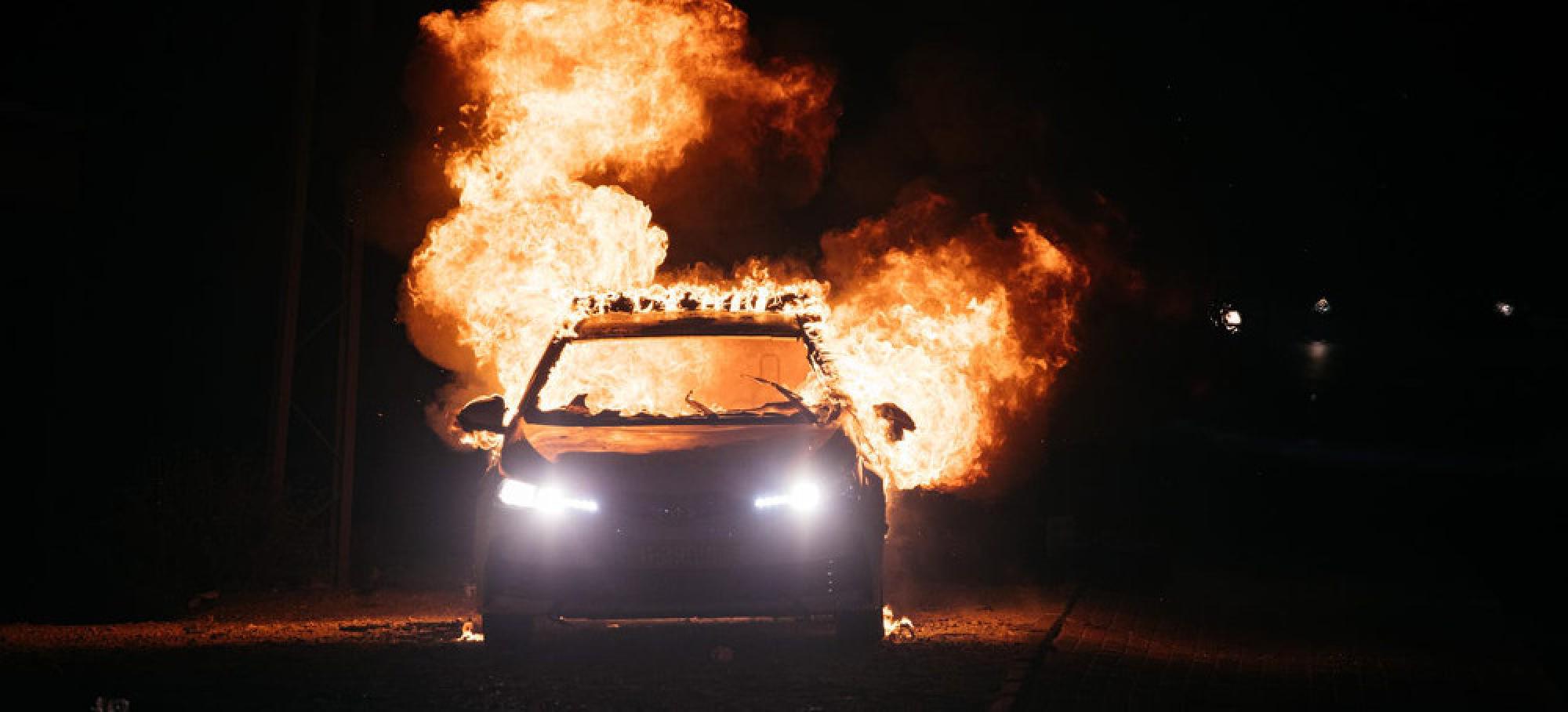
In the shadow of war, Arab-Jewish solidarity initiatives emerge. "On Sunday, the second day of the war, we saw that there was enormous chaos and realized we must do something," said Sleman Shlebe, a Bedouin resident of the northern Negev, who in a short time recruited some 600 volunteers, mostly from the Azazmeh tribe, who arrived with their ATVs and created emergency teams to search for missing Israelis. On Saturday evening, a message was sent to members of a host of activist WhatsApp groups about the establishment of a joint Arab-Jewish civil guard in Tel Aviv-Jaffa. Its goal: to protect local residents, regardless of religion or ethnic background, should clashes erupt among them. Within hours, some 1,000 people joined the guard's new WhatsApp group. Nearly 500 listened in during a video conference that evening Jews and Arabs, all ready to make sure the events of May 2021, when inter-communal riots broke out in Jaffa and other "mixed" cities during a round of fighting between Israel and Palestinians in Gaza, wouldn't be repeated. Members of the new patrol group, which is unarmed, are tasked with trying to keep the streets calm as the war evolves. One way they are helping ease tensions under such circumstances is by documenting incidents by video; they also express their solidarity with local residents. The new guards are planning to deploy if there is a potentially explosive situation, such as during prayers at a mosque, church or synagogue.
Latest
Latest News
Each news summary is created according to strict standards. Here's how we do it.
Each summary is created using a consistent editorial procedure. The target length is approximately 16 lines of 11-point Arial text in a 650-pixel-wide column. Up to 25% of a summary may be set in bold to emphasize the most important ideas. Summaries are composed of verbatim excerpts presented in the same sequence as they appear in the original news source, with very minor editorial additions. Where material has been omitted between excerpts, the omission is indicated with ellipses (...). Any words added by an editor for clarity or context appear in [brackets]. Our original news editor was Fred Burks. Tod Fletcher edited most summaries from 2007 through 2014, and Mark Bailey has served as news editor since 2014.