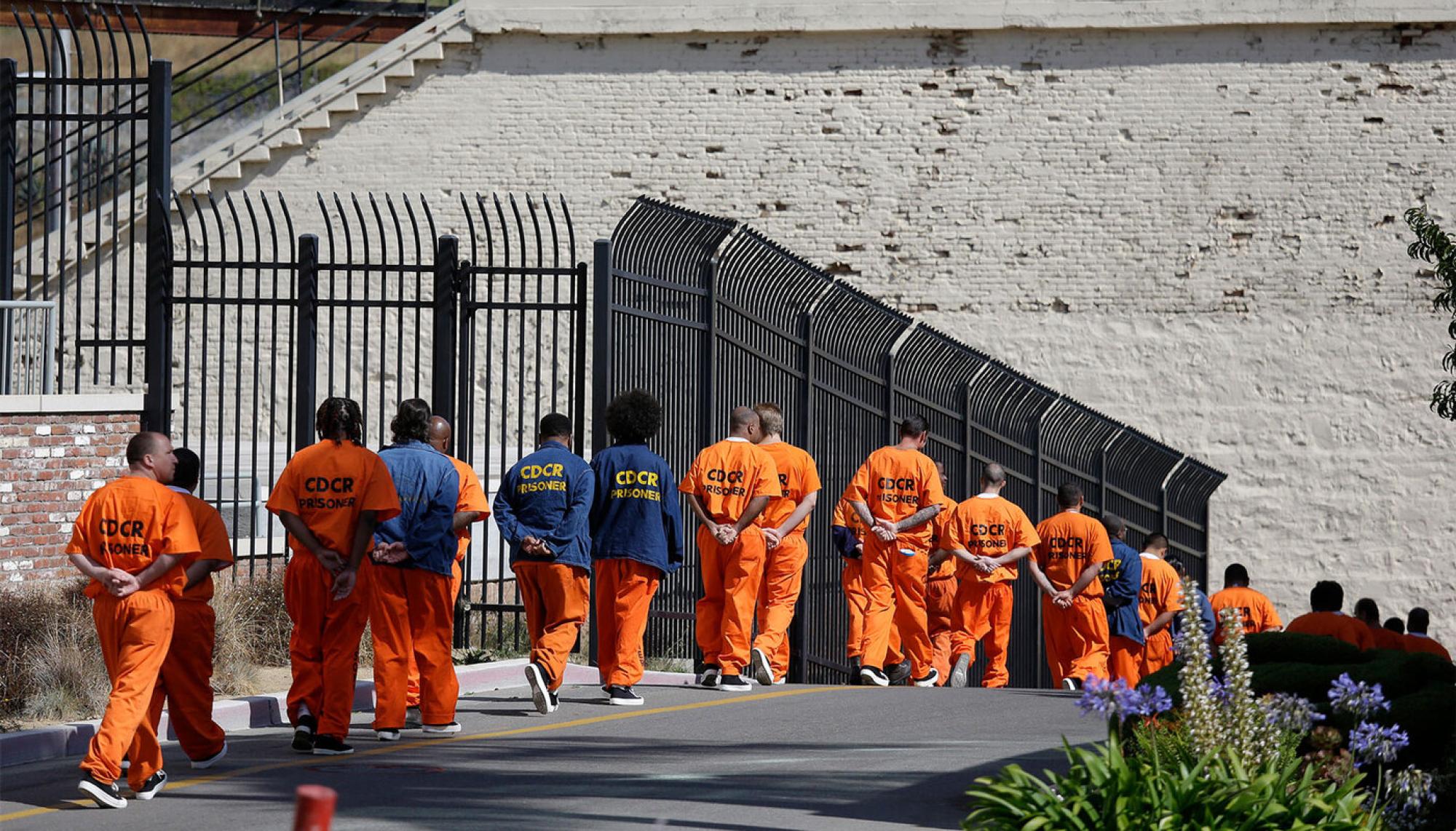
There are almost 2 million people locked away in one of the more than 5,000 prisons or jails that dot the American landscape. While they are behind bars, these incarcerated people can be found standing in line at their prison's commissary waiting to buy some extra food or cleaning supplies that are often marked up to prices higher than what one would pay outside of those prison walls. If they want to call a friend or family member, they need to pay for that as well. And almost everyone who works at a job while incarcerated, often for less than a dollar an hour, will find that the prison has taken a portion of their salary to pay for their cost of incarceration. States and local governments spent $82 billion on corrections in 2019. To offset these costs, policymakers have justified legislation authorizing an ever-growing body of fees to be charged to the people (and, as a result, often their families) in prison and jail. Fees for room and boardyes, literally for a thin mattress or even a plastic "boat" bed in a hallway, a toilet that may not flush, and scant, awful tasting food"are typically charged at a "per diem rate for the length of incarceration." It is not uncommon for these fees to reach $20 to $80 a day for the entire period of incarceration. Those who work regular jobs in prisons such as maintaining the grounds, working in the kitchen, and painting the walls of the facilities earn on average between $0.14 and $0.63 an hour.
Latest
Latest News
Each news summary is created according to strict standards. Here's how we do it.
Each summary is created using a consistent editorial procedure. The target length is approximately 16 lines of 11-point Arial text in a 650-pixel-wide column. Up to 25% of a summary may be set in bold to emphasize the most important ideas. Summaries are composed of verbatim excerpts presented in the same sequence as they appear in the original news source, with very minor editorial additions. Where material has been omitted between excerpts, the omission is indicated with ellipses (...). Any words added by an editor for clarity or context appear in [brackets]. Our original news editor was Fred Burks. Tod Fletcher edited most summaries from 2007 through 2014, and Mark Bailey has served as news editor since 2014.