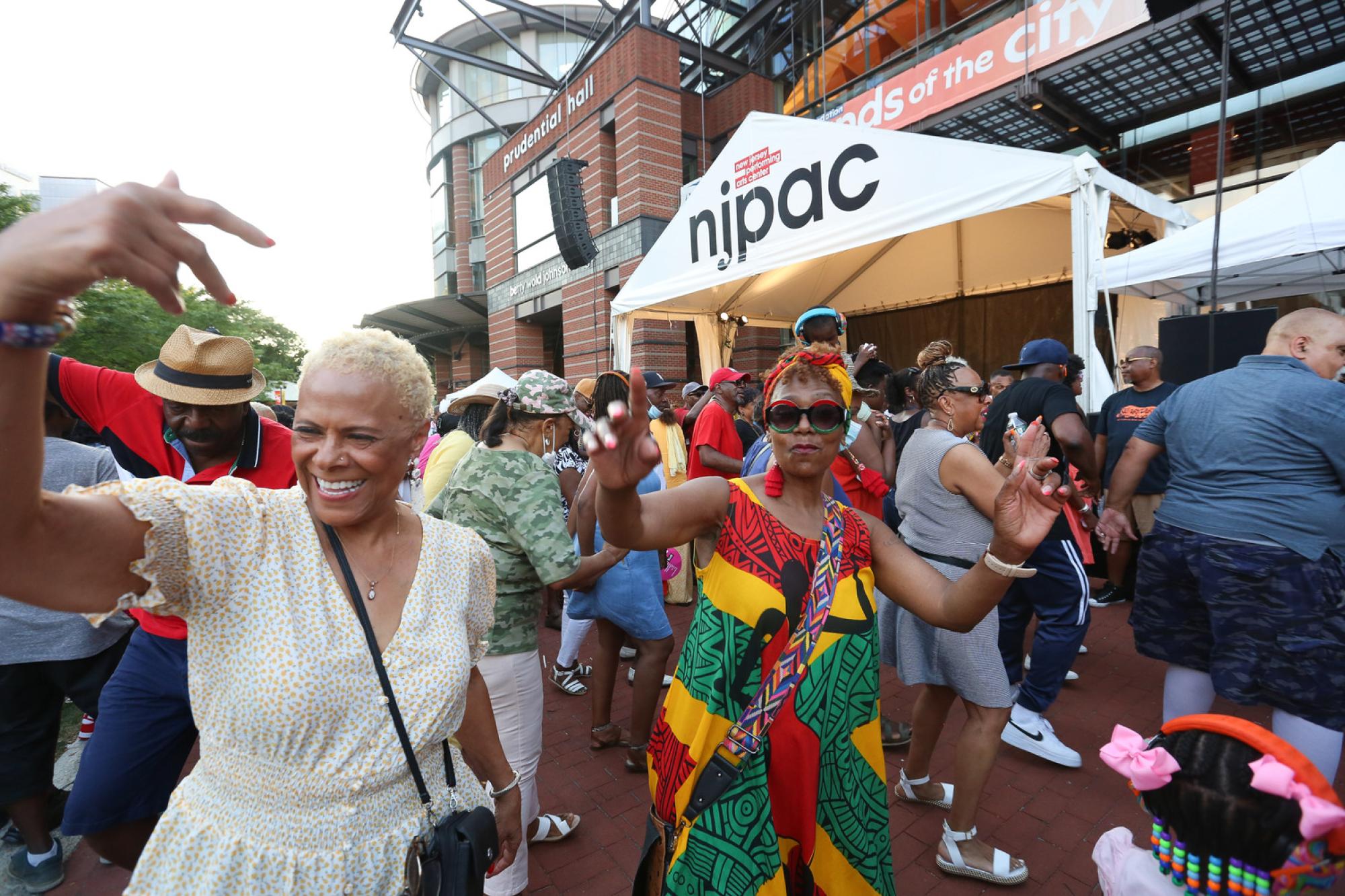
Someday soon, in addition to prescribing medication or therapy, doctors may begin directing patients to visit a museum or join a choir. The growing practice of "social prescribing" is a way for healthcare providers to address patients' health and wellbeing by connecting them to a range of nonclinical services, often taking the form of community arts and cultural activities. Attention on the healing power of the arts grew during the COVID-19 pandemic. A UK study found that during lockdown in 2020, individuals who spent 30 minutes per day on arts activities had lower rates of depression and anxiety, as well as greater life satisfaction. The first social prescribing pilots in the United States are kicking off on the heels of research demonstrating the long-term health benefits of arts engagement. Adolescents who regularly engage in arts activities have lower odds of behavioral problems, criminalized behaviors, and substance use and higher odds of maintaining strong social support networks. Creatively engaged older adults have 20% lower odds of depression and are more likely to have better memory, life satisfaction, and overall aging experiences. One particularly striking study found that older adults with frequent cultural engagement are less likely to use inpatient healthcare or nursing home stays. In a study of people experiencing chronic pain, doing monthly arts activities is associated with better physical wellbeing, specifically less difficulty with everyday activities.
Latest
Latest News
Each news summary is created according to strict standards. Here's how we do it.
Each summary is created using a consistent editorial procedure. The target length is approximately 16 lines of 11-point Arial text in a 650-pixel-wide column. Up to 25% of a summary may be set in bold to emphasize the most important ideas. Summaries are composed of verbatim excerpts presented in the same sequence as they appear in the original news source, with very minor editorial additions. Where material has been omitted between excerpts, the omission is indicated with ellipses (...). Any words added by an editor for clarity or context appear in [brackets]. Our original news editor was Fred Burks. Tod Fletcher edited most summaries from 2007 through 2014, and Mark Bailey has served as news editor since 2014.