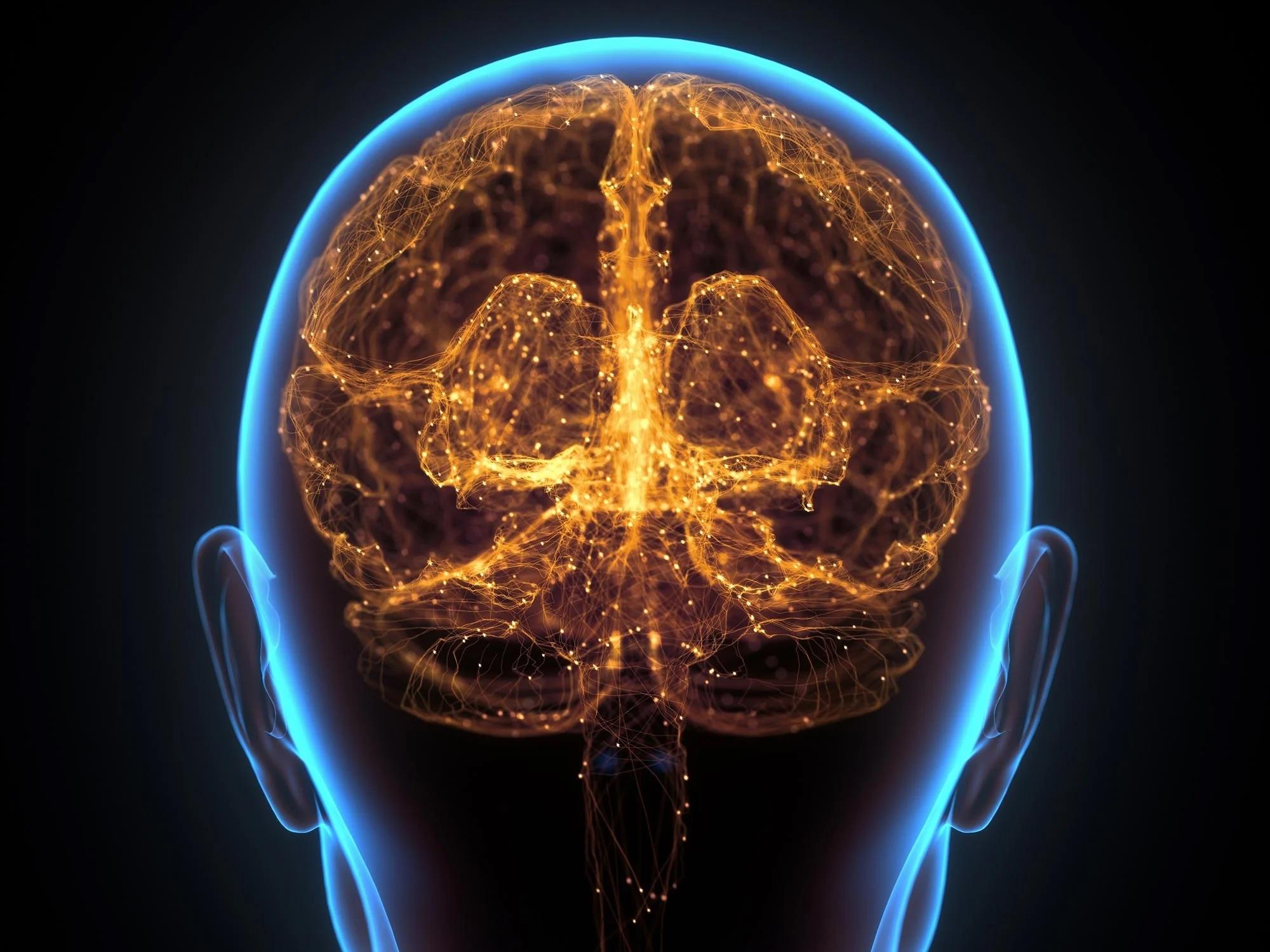
A recent study published in Science offers strong new evidence that the human brain continues to generate neurons in the hippocampus, its key memory region, well into later stages of life. Conducted by researchers at Sweden's Karolinska Institutet, the study addresses a long-standing debate about how adaptable the adult brain really is. The hippocampus plays a critical role in memory, learning, and emotional regulation. In 2013, Jonas Frisén and his team at Karolinska Institutet made headlines when they demonstrated that new neurons could form in this region during adulthood. Despite this earlier discovery, questions remained. In particular, scientists lacked direct evidence that the cells responsible for generating new neurons, known as neural progenitor cells, are present and actively dividing in adult human brains. "We have now been able to identify these cells of origin, which confirms that there is an ongoing formation of neurons in the hippocampus of the adult brain," says Jonas Frisén ... who led the research. The newly formed cells were located in a specific area of the hippocampus. This area is important for memory formation, learning, and cognitive flexibility. "This gives us an important piece of the puzzle in understanding how the human brain works," explains Jonas Frisén. "Our research may also have implications for the development of regenerative treatments that stimulate neurogenesis in neurodegenerative and psychiatric disorders."
Latest
Latest News
Each news summary is created according to strict standards. Here's how we do it.
Each summary is created using a consistent editorial procedure. The target length is approximately 16 lines of 11-point Arial text in a 650-pixel-wide column. Up to 25% of a summary may be set in bold to emphasize the most important ideas. Summaries are composed of verbatim excerpts presented in the same sequence as they appear in the original news source, with very minor editorial additions. Where material has been omitted between excerpts, the omission is indicated with ellipses (...). Any words added by an editor for clarity or context appear in [brackets]. Our original news editor was Fred Burks. Tod Fletcher edited most summaries from 2007 through 2014, and Mark Bailey has served as news editor since 2014.