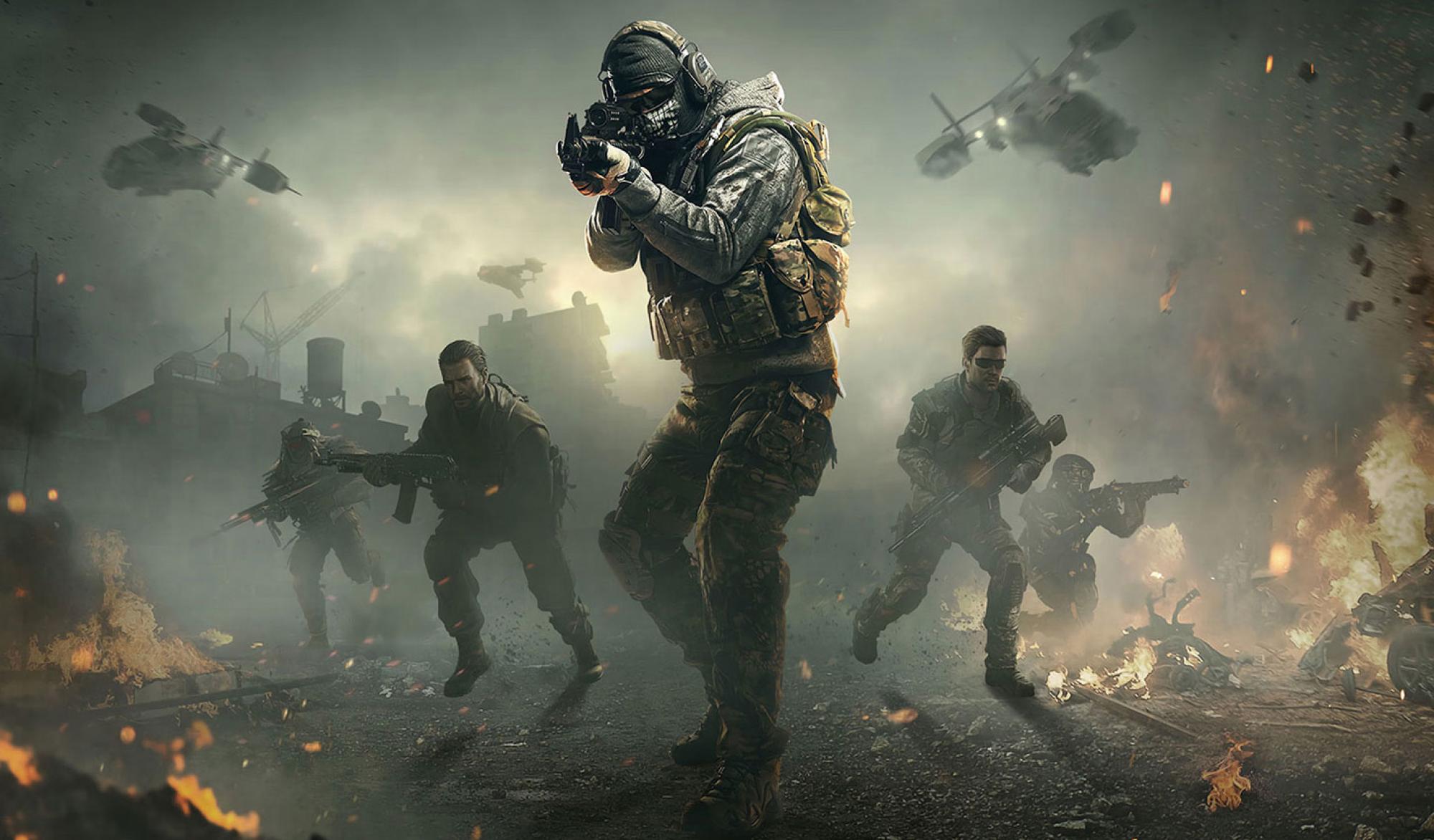
Within ten days [of its release], the first-person military shooter video game [Call of Duty: Modern Warfare II] earned more than $1 billion in revenue. The Call of Duty franchise is an entertainment juggernaut, having sold close to half a billion games since it was launched in 2003. Its publisher, Activision Blizzard, is a giant in the industry. Details gleaned from documents obtained under the Freedom of Information Act reveal that Call of Duty is not a neutral first-person shooter, but a carefully constructed piece of military propaganda, designed to advance the interests of the U.S. national security state. Not only does Activision Blizzard work with the U.S. military to shape its products, but its leadership board is also full of former high state officials. Chief amongst these is Frances Townsend, Activision Blizzard's senior counsel. As the White House's most senior advisor on terrorism and homeland security, Townsend ... became one of the faces of the administration's War on Terror. Activision Blizzard's chief administration officer, Brian Bulatao ... was chief operating officer for the CIA, placing him third in command of the agency. Bulatao went straight from the State Department into the highest echelons of Activision Blizzard, despite no experience in the entertainment industry. [This] raises serious questions around privacy and state control over media. "Call of Duty ... has been flagged up for recreating real events as game missions and manipulating them for geopolitical purposes," [journalist Tom] Secker told MintPress.
Latest
Latest News
Each news summary is created according to strict standards. Here's how we do it.
Each summary is created using a consistent editorial procedure. The target length is approximately 16 lines of 11-point Arial text in a 650-pixel-wide column. Up to 25% of a summary may be set in bold to emphasize the most important ideas. Summaries are composed of verbatim excerpts presented in the same sequence as they appear in the original news source, with very minor editorial additions. Where material has been omitted between excerpts, the omission is indicated with ellipses (...). Any words added by an editor for clarity or context appear in [brackets]. Our original news editor was Fred Burks. Tod Fletcher edited most summaries from 2007 through 2014, and Mark Bailey has served as news editor since 2014.