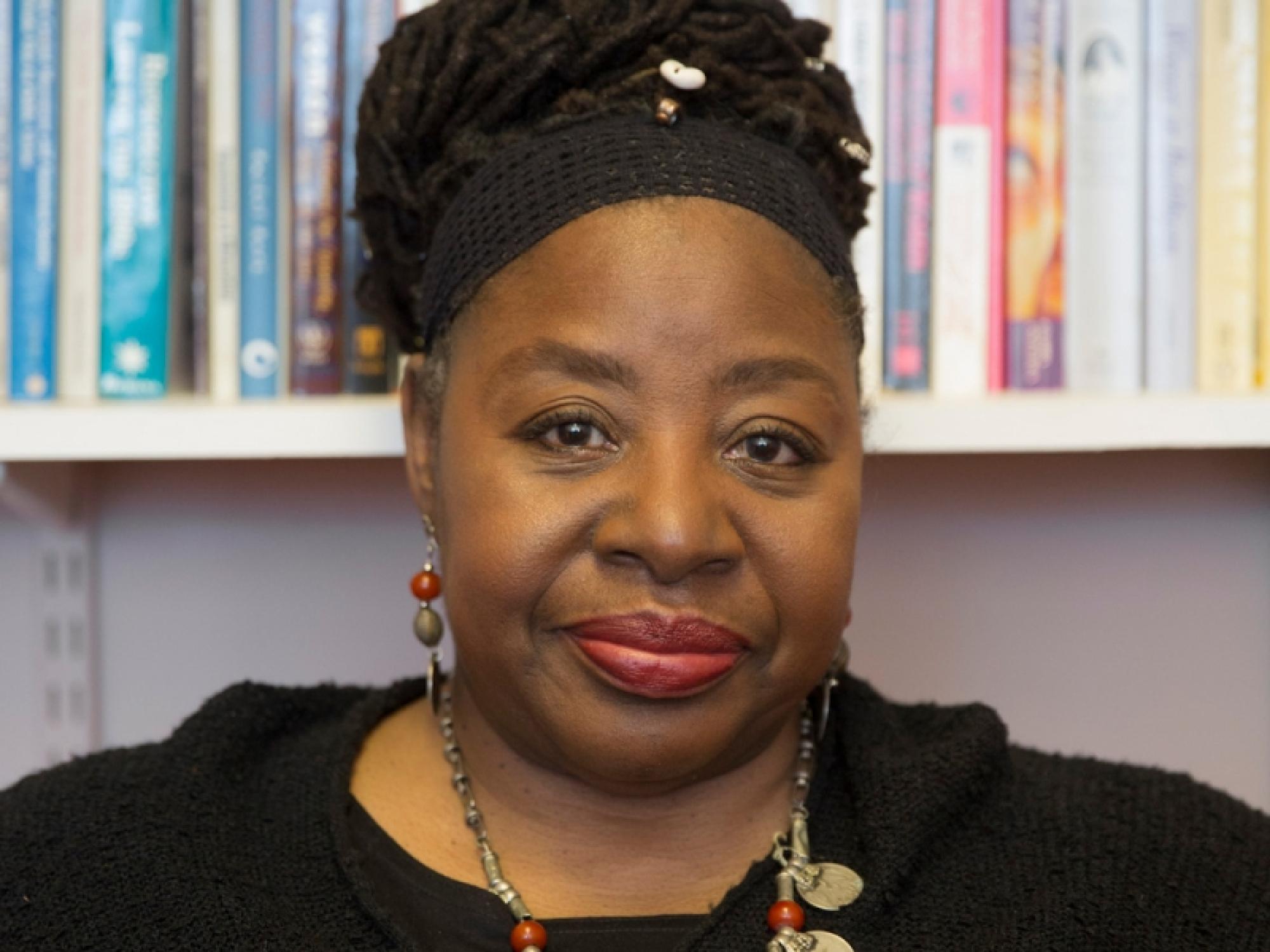
What does it take to have a challenging conversation in the era of cancel culture? For MacArthur Fellow Loretta J. Ross, the answer lies in calling in: a communicative strategy rooted in compassion, accountability, and restorative justice. Cancel culture [is] a phenomenon whereby people deemed to be moral transgressors are publicly discredited on social media platforms, and in some instances, punished through cultural, social, and professional ostracism. Professor Ross thinks this readiness to cancel a person on the basis of their beliefs is toxic. Instead, she espouses empathy and stresses the importance of context in challenging conversations. Calling in is not what you do for other peopleit's what you do for yourself. It gives you a chance to offer love, grace, and respect, and to showcase one's own integrity and one's own ability to hold nuance and depth. People mistakenly think that you're doing it because you're trying to change somebody else. That's not possible. And since we don't have the power to control and change others, the only power we're left with is self-empowerment. In this sense, calling in is a conscious decision to not make the world crueler than it needs to be. We're all capable of using a technique I call "the mental parking lot" where you temporarily put aside any visceral reactions you have to what others are saying. It's a technique that requires you not to pay attention to your reaction but rather to devote your focus and respect to the person you're talking to.
Latest
Latest News
Each news summary is created according to strict standards. Here's how we do it.
Each summary is created using a consistent editorial procedure. The target length is approximately 16 lines of 11-point Arial text in a 650-pixel-wide column. Up to 25% of a summary may be set in bold to emphasize the most important ideas. Summaries are composed of verbatim excerpts presented in the same sequence as they appear in the original news source, with very minor editorial additions. Where material has been omitted between excerpts, the omission is indicated with ellipses (...). Any words added by an editor for clarity or context appear in [brackets]. Our original news editor was Fred Burks. Tod Fletcher edited most summaries from 2007 through 2014, and Mark Bailey has served as news editor since 2014.