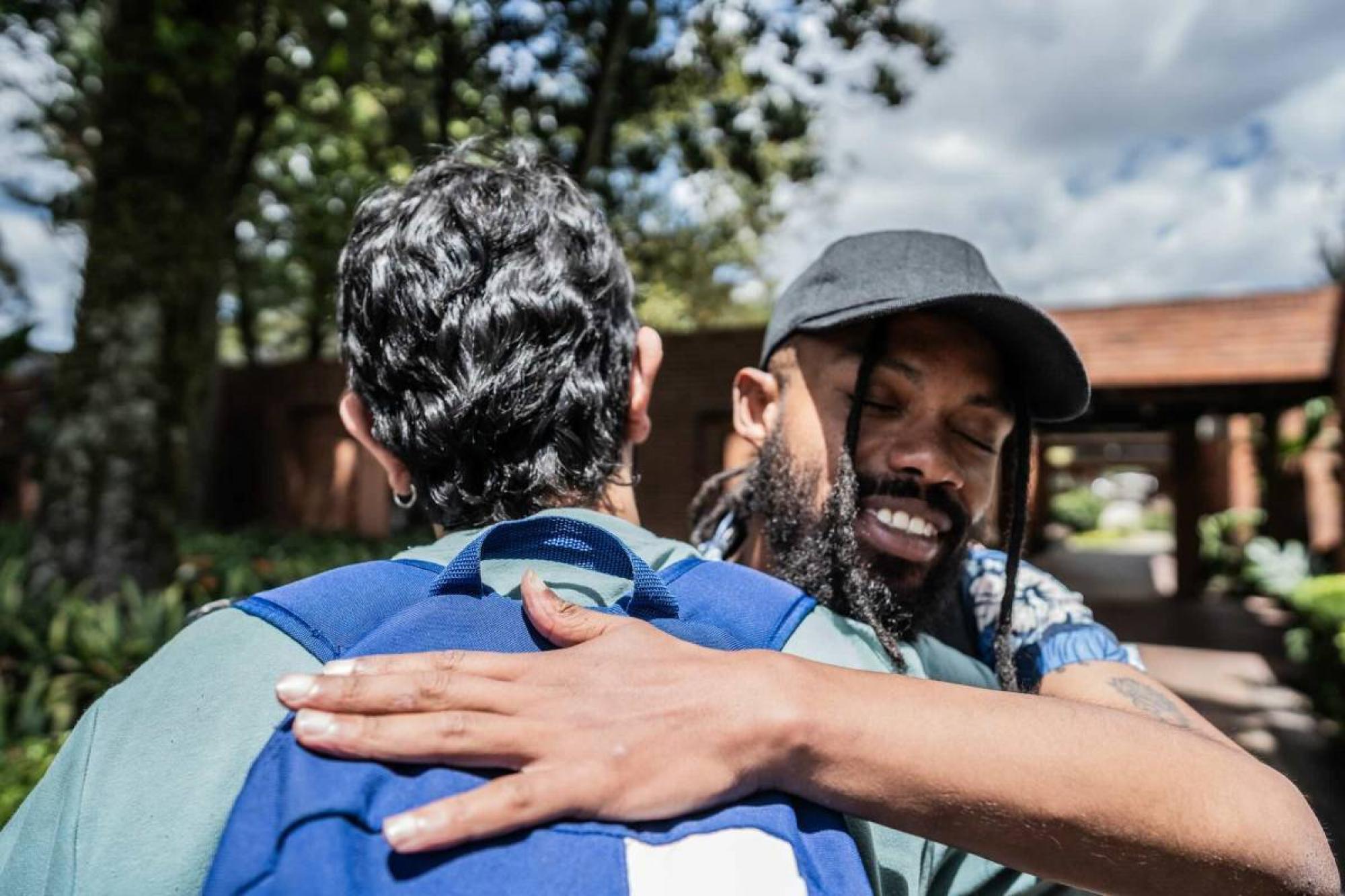
In a recent Gallup poll, 20% of U.S. adults said they felt lonely "a lot of the day yesterday." While there might be many steps we can take to encourage connection, on both individual andß societal levels, a big new study suggests there is one step anyone can take right now to blunt the pain of isolation: giving thanks. College of Charleston researchers James B. Hittner and Calvin D. Widholm collected 26 studies of gratitude and loneliness involving nearly 10,000 people around the world. Then [they] conducted a "meta-analysis" of all the studies together, which can provide stronger evidence for a finding than one study alone. Their results suggest that grateful people tend to be less lonely"no matter their age, their gender, or whether they live in the U.S. or elsewhere. If someone was above average in gratitude, they had a 62% chance of being below average in loneliness. Loneliness, research suggests, is ultimately about how we perceive our relationships and whether they measure up to what we want. And "if one is grateful, then what that should be facilitating are richer, stronger social relationships," says Hittner. One study found that grateful people were more "psychologically flexible," able to nimbly cope with adversity and act in service of their values and sense of meaning in life. Hittner believes that this openness to taking in new ideas, meeting new people, and having new experiences is one good antidote to loneliness.
Latest
Latest News
Each news summary is created according to strict standards. Here's how we do it.
Each summary is created using a consistent editorial procedure. The target length is approximately 16 lines of 11-point Arial text in a 650-pixel-wide column. Up to 25% of a summary may be set in bold to emphasize the most important ideas. Summaries are composed of verbatim excerpts presented in the same sequence as they appear in the original news source, with very minor editorial additions. Where material has been omitted between excerpts, the omission is indicated with ellipses (...). Any words added by an editor for clarity or context appear in [brackets]. Our original news editor was Fred Burks. Tod Fletcher edited most summaries from 2007 through 2014, and Mark Bailey has served as news editor since 2014.