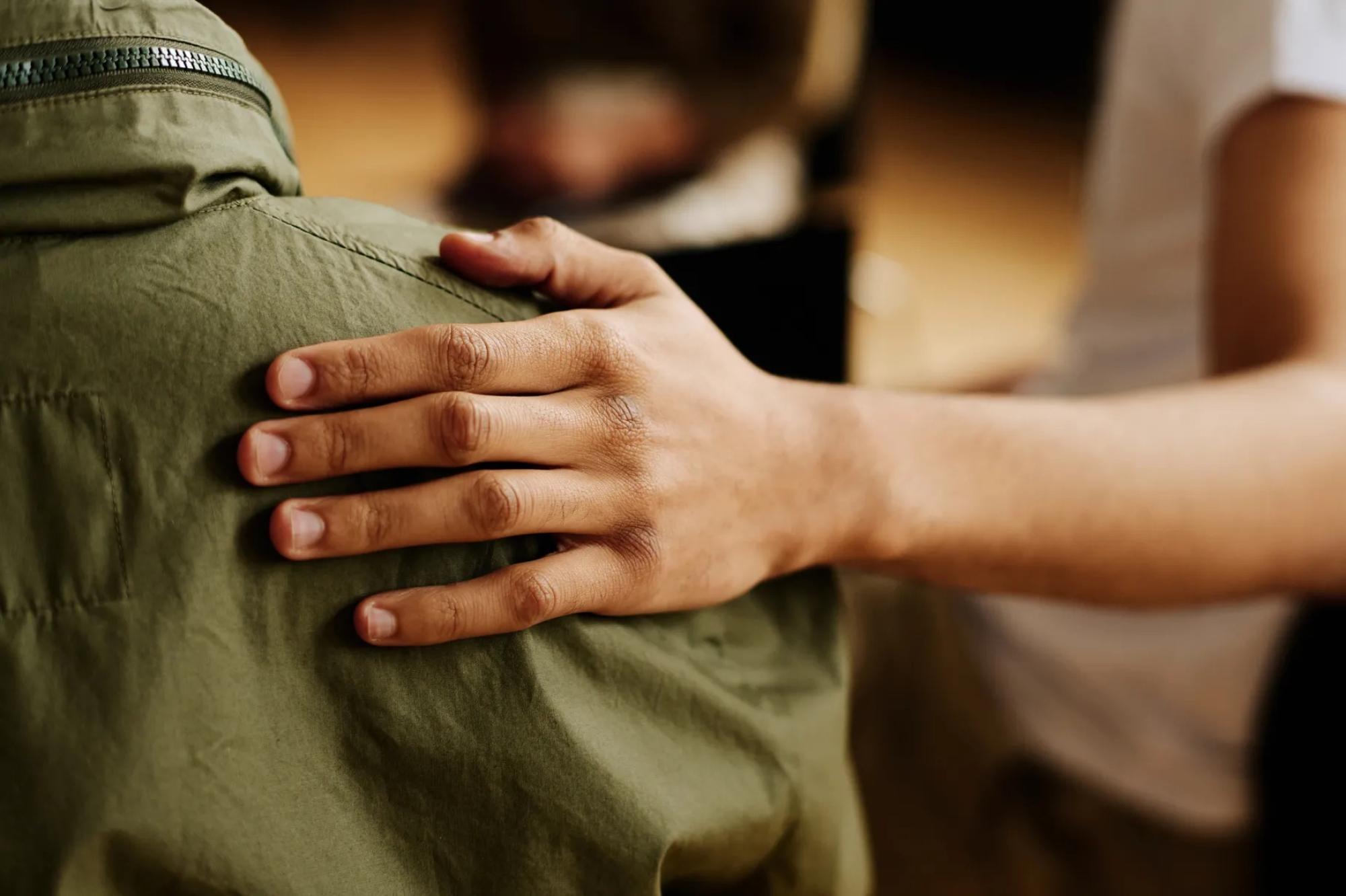
Since the late 1970s, psychologists have measured empathy by asking millions of people how much they agreed with statements such as "I feel tender, concerned feelings for people less fortunate than me." In 2011, a landmark study led by researcher Sara Konrath examined the trends in those surveys. The analysis revealed that American empathy had plummeted: The average US college student in 2009 reported feeling less empathic than 75 percent of students three decades earlier. A few months ago, [Konrath] and her colleagues published an update to their work: They found that empathy among young Americans is rebounding, reaching levels indistinguishable from the highs of the 1970s. Our biased minds tempt us to see the worst in people. The empathy decline reported 13 years ago fit that narrative and went viral. This decline is almost certainly an illusion. In other surveys, people reported on kindness and morality as they actually experience it " for instance, how they were treated by strangers, coworkers, and friends. Answers to these questions remained steady over the years. As with the decline, we might grasp for explanations for this rise. One possibility is collective suffering. Hard times can bring people together. In her beautiful book, A Paradise Built in Hell, Rebecca Solnit chronicles disasters including San Francisco's 1906 and 1989 earthquakes, Hurricane Katrina, and 9/11. In the wake of these catastrophes, kindness ticked up, strangers stepping over lines of race and class to help one another.
Latest
Latest News
Each news summary is created according to strict standards. Here's how we do it.
Each summary is created using a consistent editorial procedure. The target length is approximately 16 lines of 11-point Arial text in a 650-pixel-wide column. Up to 25% of a summary may be set in bold to emphasize the most important ideas. Summaries are composed of verbatim excerpts presented in the same sequence as they appear in the original news source, with very minor editorial additions. Where material has been omitted between excerpts, the omission is indicated with ellipses (...). Any words added by an editor for clarity or context appear in [brackets]. Our original news editor was Fred Burks. Tod Fletcher edited most summaries from 2007 through 2014, and Mark Bailey has served as news editor since 2014.