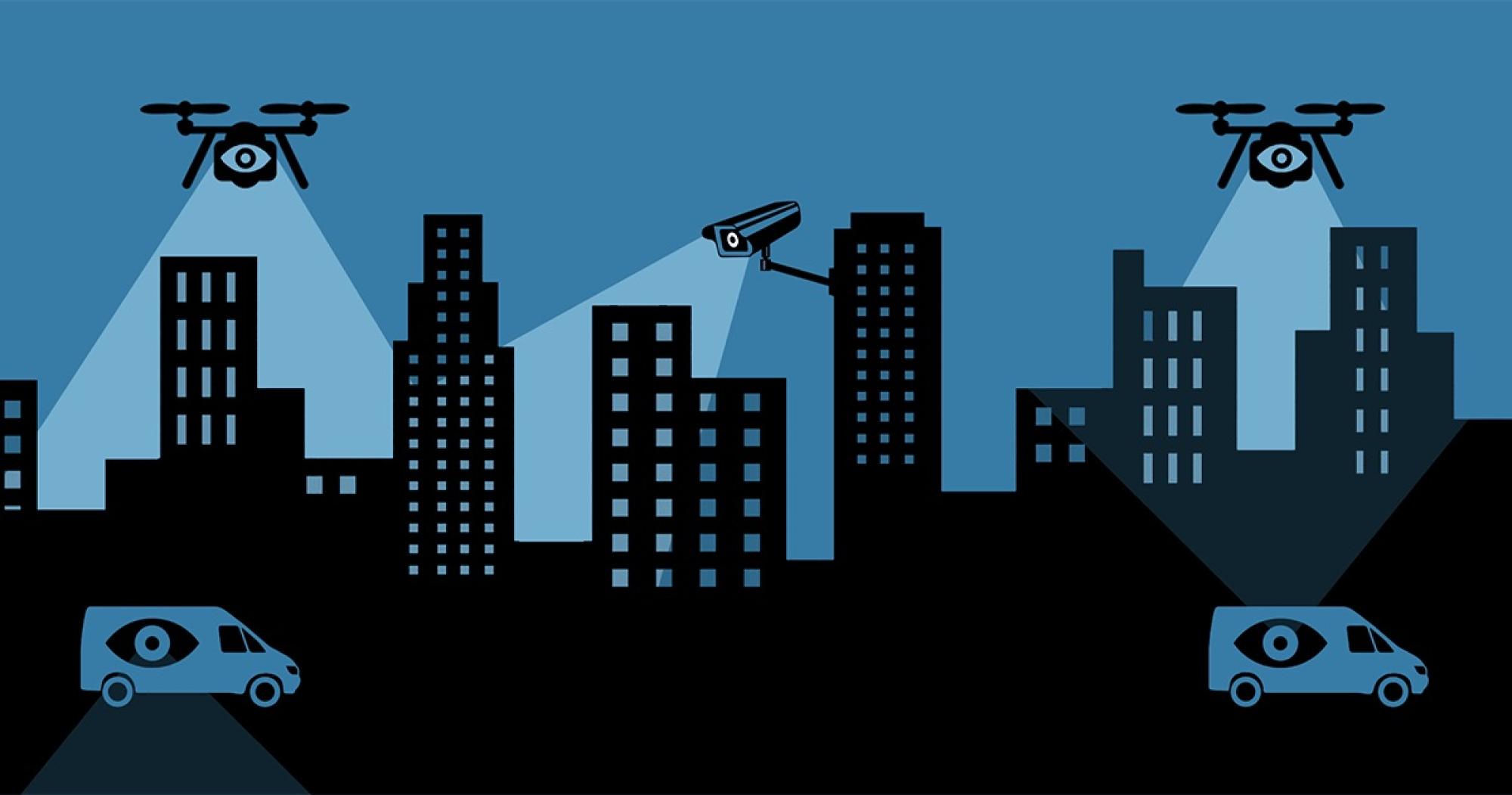
Hardware that breaks into your phone; software that monitors you on the internet; systems that can recognize your face and track your car: The New York State Police are drowning in surveillance tech. Last year alone, the Troopers signed at least $15 million in contracts for powerful new surveillance tools. Surveillance technology has far outpaced traditional privacy laws. In New York, lawmakers launched a years-in-the-making legislative campaign last year to rein in police intrusion. None of their bills have made it out of committee. A report from the U.S. Office of the Director of National Intelligence, put it succinctly: "The government would never have been permitted to compel billions of people to carry location tracking devices on their persons at all times, to log and track most of their social interactions, or to keep flawless records of all their reading habits." That report called specific attention to the "data broker loophole": law enforcement's practice of obtaining data for which they'd otherwise have to obtain a warrant by buying it from brokers. The New York State Police have taken greater and greater advantage of the loophole in recent years. They've also spent millions on mobile device forensic tools, or MDFTs, powerful hacking hardware and software that allow users to download full, searchable copies of a cellphone's data, including social media messages, emails, web and search histories, and minute-by-minute location information.
Latest
Latest News
Each news summary is created according to strict standards. Here's how we do it.
Each summary is created using a consistent editorial procedure. The target length is approximately 16 lines of 11-point Arial text in a 650-pixel-wide column. Up to 25% of a summary may be set in bold to emphasize the most important ideas. Summaries are composed of verbatim excerpts presented in the same sequence as they appear in the original news source, with very minor editorial additions. Where material has been omitted between excerpts, the omission is indicated with ellipses (...). Any words added by an editor for clarity or context appear in [brackets]. Our original news editor was Fred Burks. Tod Fletcher edited most summaries from 2007 through 2014, and Mark Bailey has served as news editor since 2014.