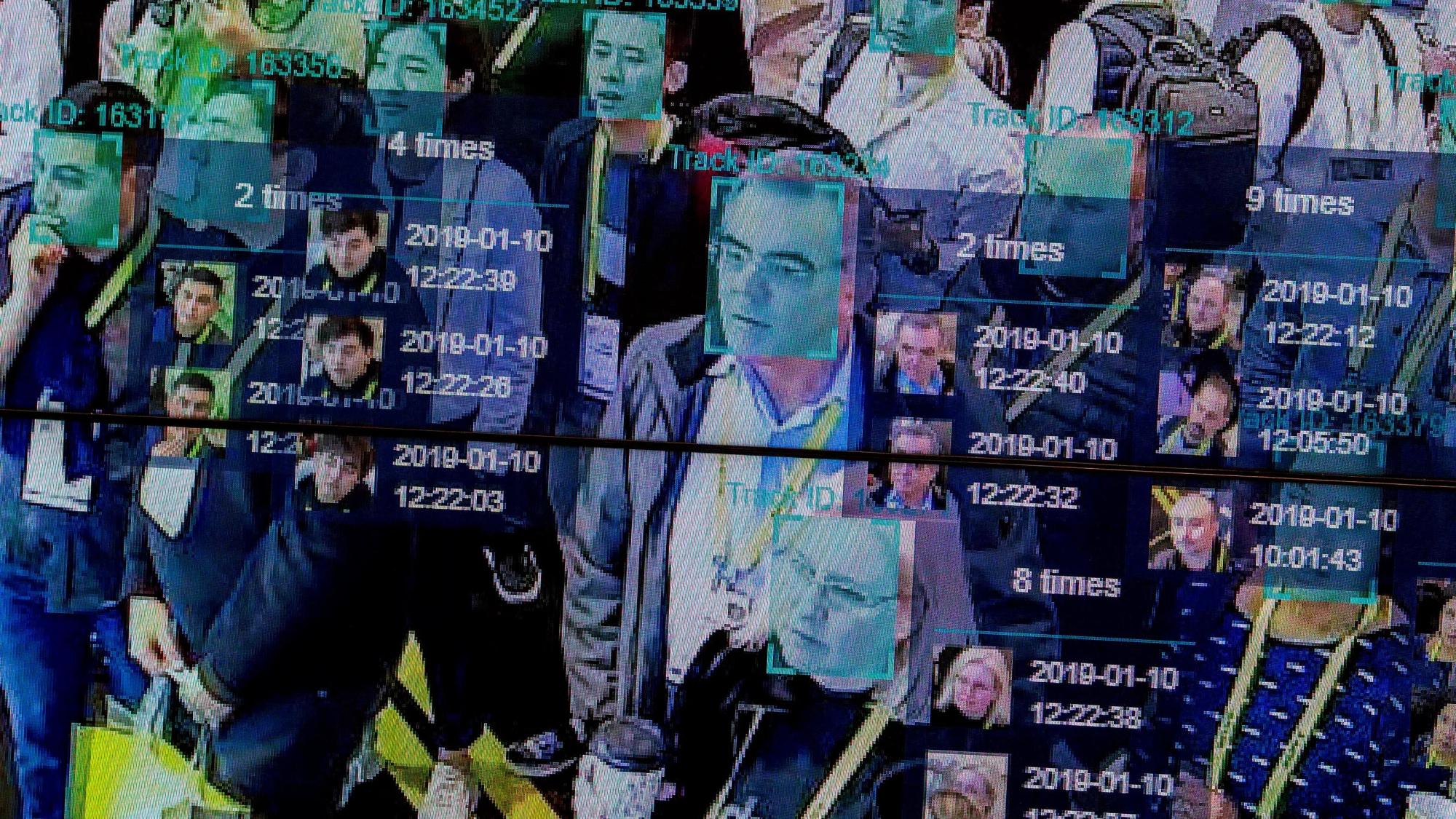
Police in the U.S. recently combined two existing dystopian technologies in a brand new way to violate civil liberties. A police force in California recently employed the new practice of taking a DNA sample from a crime scene, running this through a service provided by US company Parabon NanoLabs that guesses what the perpetrators face looked like, and plugging this rendered image into face recognition software to build a suspect list. Parabon NanoLabs ... alleges it can create an image of the suspect's face from their DNA. Parabon NanoLabs claim to have built this system by training machine learning models on the DNA data of thousands of volunteers with 3D scans of their faces. The process is yet to be independently audited, and scientists have affirmed that predicting face shapes"particularly from DNA samples"is not possible. But this has not stopped law enforcement officers from seeking to use it, or from running these fabricated images through face recognition software. Simply put: police are using DNA to create a hypothetical and not at all accurate face, then using that face as a clue on which to base investigations into crimes. This ... threatens the rights, freedom, or even the life of whoever is unlucky enough to look a little bit like that artificial face. These technologies, and their reckless use by police forces, are an inherent threat to our individual privacy, free expression, information security, and social justice.
Latest
Latest News
Each news summary is created according to strict standards. Here's how we do it.
Each summary is created using a consistent editorial procedure. The target length is approximately 16 lines of 11-point Arial text in a 650-pixel-wide column. Up to 25% of a summary may be set in bold to emphasize the most important ideas. Summaries are composed of verbatim excerpts presented in the same sequence as they appear in the original news source, with very minor editorial additions. Where material has been omitted between excerpts, the omission is indicated with ellipses (...). Any words added by an editor for clarity or context appear in [brackets]. Our original news editor was Fred Burks. Tod Fletcher edited most summaries from 2007 through 2014, and Mark Bailey has served as news editor since 2014.