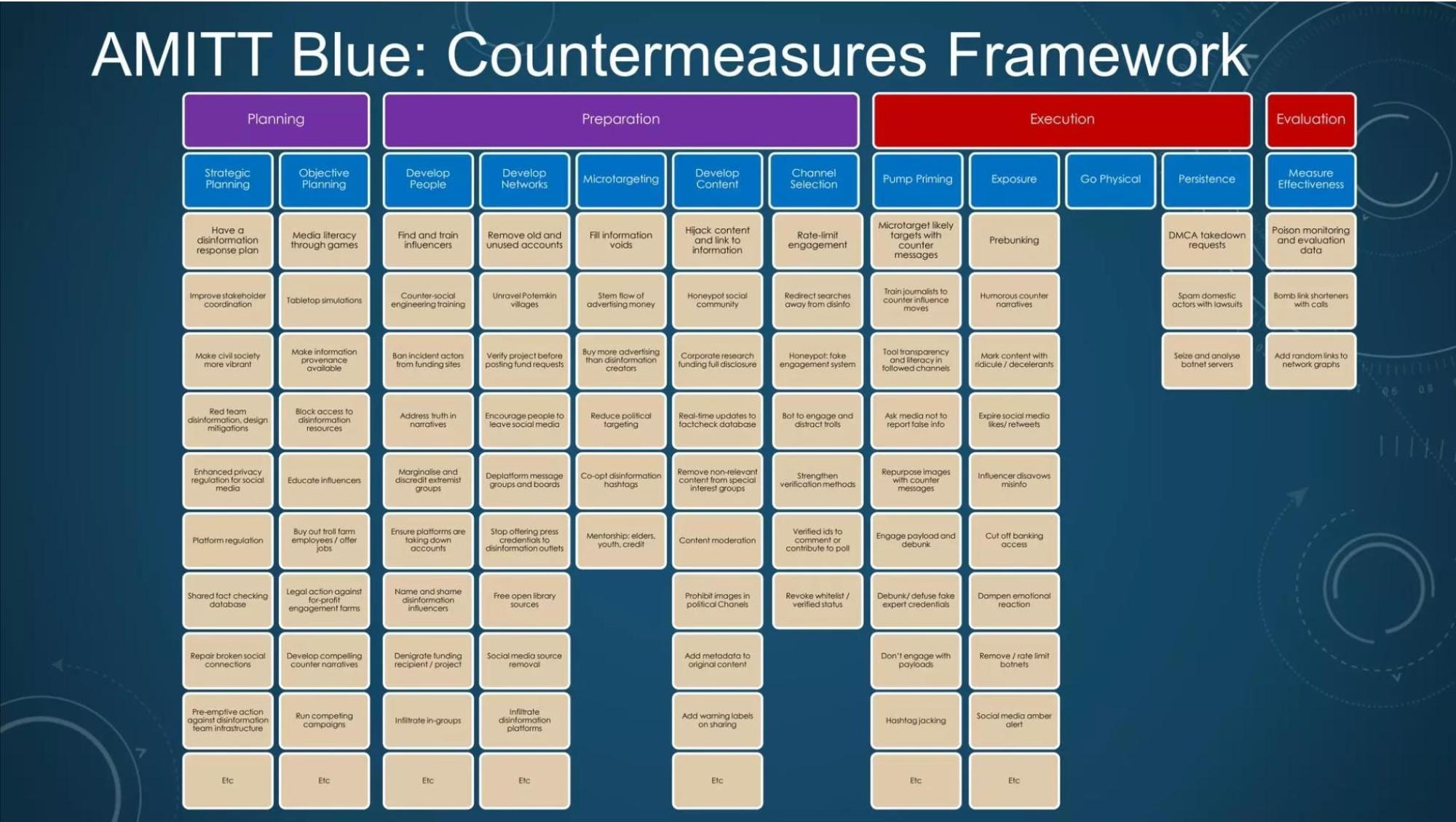
A whistleblower has come forward with an explosive new trove of documents. They describe the activities of an "anti-disinformation" group called the Cyber Threat Intelligence League, or CTIL, that officially began as the volunteer project of data scientists and defense and intelligence veterans but whose tactics over time appear to have been absorbed into ... those of the Department of Homeland Security (DHS). In 2019, US and UK military and intelligence contractors ... developed the sweeping censorship framework. CTIL ... partnered with [Cybersecurity and Infrastructure Security Agency] (CISA) in the spring of 2020. CTIL's approach to "disinformation" went far beyond censorship. The group engaged in offensive operations to influence public opinion, discussing ways to promote "counter-messaging," co-opt hashtags, dilute disfavored messaging, create sock puppet accounts, and infiltrate private invite-only groups. The ambitions of the 2020 pioneers of the Censorship Industrial Complex went far beyond simply urging Twitter to slap a warning label on Tweets, or to put individuals on blacklists. The [Adversarial Misinformation and Influence Tactics and Techniques] framework calls for discrediting individuals as a necessary prerequisite of demanding censorship against them. It calls for training influencers to spread messages. And it calls for trying to get banks to cut off financial services to individuals who organize rallies or events. [CTIL] laments that governments and corporate media no longer have full control of information. "For a long time, the ability to reach mass audiences belonged to the nation-state (e.g. in the USA via broadcast licensing through ABC, CBS and NBC). Now, however, control of informational instruments has been allowed to devolve to large technology companies who have been blissfully complacent and complicit in facilitating access to the public for information operators at a fraction of what it would have cost them by other means."
Latest
Latest News
Each news summary is created according to strict standards. Here's how we do it.
Each summary is created using a consistent editorial procedure. The target length is approximately 16 lines of 11-point Arial text in a 650-pixel-wide column. Up to 25% of a summary may be set in bold to emphasize the most important ideas. Summaries are composed of verbatim excerpts presented in the same sequence as they appear in the original news source, with very minor editorial additions. Where material has been omitted between excerpts, the omission is indicated with ellipses (...). Any words added by an editor for clarity or context appear in [brackets]. Our original news editor was Fred Burks. Tod Fletcher edited most summaries from 2007 through 2014, and Mark Bailey has served as news editor since 2014.