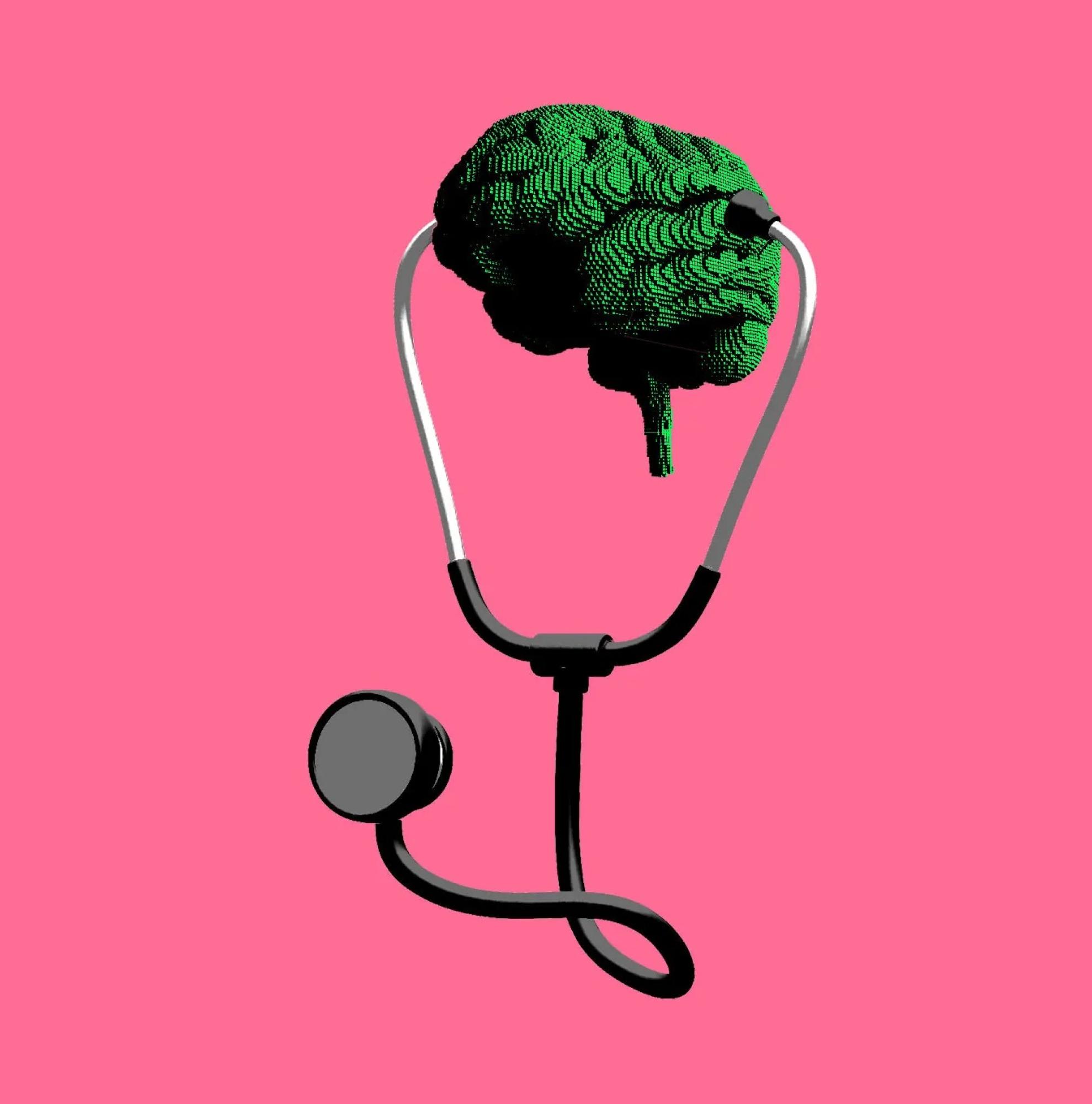
Health practitioners are becoming increasingly uneasy about the medical community making widespread use of error-prone generative AI tools. In their May 2024 research paper introducing a healthcare AI model, dubbed Med-Gemini, Google researchers showed off the AI analyzing brain scans from the radiology lab for various conditions. It identified an "old left basilar ganglia infarct," referring to a purported part of the brain " "basilar ganglia" " that simply doesn't exist in the human body. Board-certified neurologist Bryan Moore flagged the issue ... highlighting that Google fixed its blog post about the AI " but failed to revise the research paper itself. The AI likely conflated the basal ganglia, an area of the brain that's associated with motor movements and habit formation, and the basilar artery, a major blood vessel at the base of the brainstem. Google blamed the incident on a simple misspelling of "basal ganglia." It's an embarrassing reveal that underlines persistent and impactful shortcomings of the tech. In Google's search results, this can lead to headaches for users during their research and fact-checking efforts. But in a hospital setting, those kinds of slip-ups could have devastating consequences. While Google's faux pas more than likely didn't result in any danger to human patients, it sets a worrying precedent, experts argue. In a medical context, AI hallucinations could easily lead to confusion and potentially even put lives at risk.
Latest
Latest News
Each news summary is created according to strict standards. Here's how we do it.
Each summary is created using a consistent editorial procedure. The target length is approximately 16 lines of 11-point Arial text in a 650-pixel-wide column. Up to 25% of a summary may be set in bold to emphasize the most important ideas. Summaries are composed of verbatim excerpts presented in the same sequence as they appear in the original news source, with very minor editorial additions. Where material has been omitted between excerpts, the omission is indicated with ellipses (...). Any words added by an editor for clarity or context appear in [brackets]. Our original news editor was Fred Burks. Tod Fletcher edited most summaries from 2007 through 2014, and Mark Bailey has served as news editor since 2014.