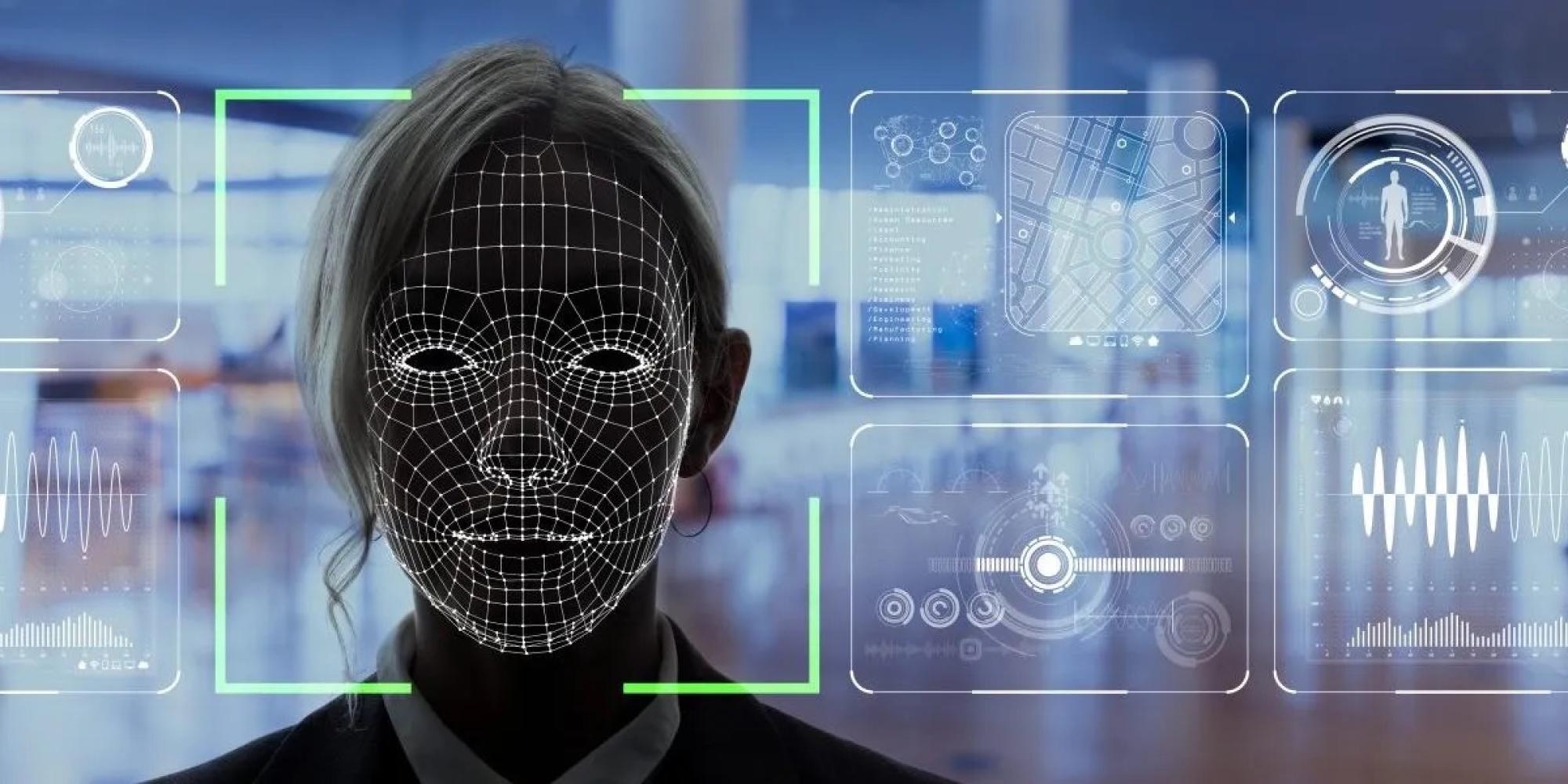
Emotion artificial intelligence uses biological signals such as vocal tone, facial expressions and data from wearable devices as well as text and how people use their computers, promising to detect and predict how someone is feeling. Over 50% of large employers in the U.S. use emotion AI aiming to infer employees' internal states, a practice that grew during the COVID-19 pandemic. For example, call centers monitor what their operators say and their tone of voice. We wondered what workers think about these technologies. My collaborators Shanley Corvite, Kat Roemmich, Tillie Ilana Rosenberg and I conducted a survey. 51% of participants expressed concerns about privacy, 36% noted the potential for incorrect inferences employers would accept at face value, and 33% expressed concern that emotion AI-generated inferences could be used to make unjust employment decisions. Despite emotion AI's claimed goals to infer and improve workers' well-being in the workplace, its use can lead to the opposite effect: well-being diminished due to a loss of privacy. On concerns that emotional surveillance could jeopardize their job, a participant with a diagnosed mental health condition said: "They could decide that I am no longer a good fit at work and fire me. Decide I'm not capable enough and not give a raise, or think I'm not working enough." Participants ... said they were afraid of the dynamic they would have with employers if emotion AI were integrated into their workplace.
Latest
Latest News
Each news summary is created according to strict standards. Here's how we do it.
Each summary is created using a consistent editorial procedure. The target length is approximately 16 lines of 11-point Arial text in a 650-pixel-wide column. Up to 25% of a summary may be set in bold to emphasize the most important ideas. Summaries are composed of verbatim excerpts presented in the same sequence as they appear in the original news source, with very minor editorial additions. Where material has been omitted between excerpts, the omission is indicated with ellipses (...). Any words added by an editor for clarity or context appear in [brackets]. Our original news editor was Fred Burks. Tod Fletcher edited most summaries from 2007 through 2014, and Mark Bailey has served as news editor since 2014.