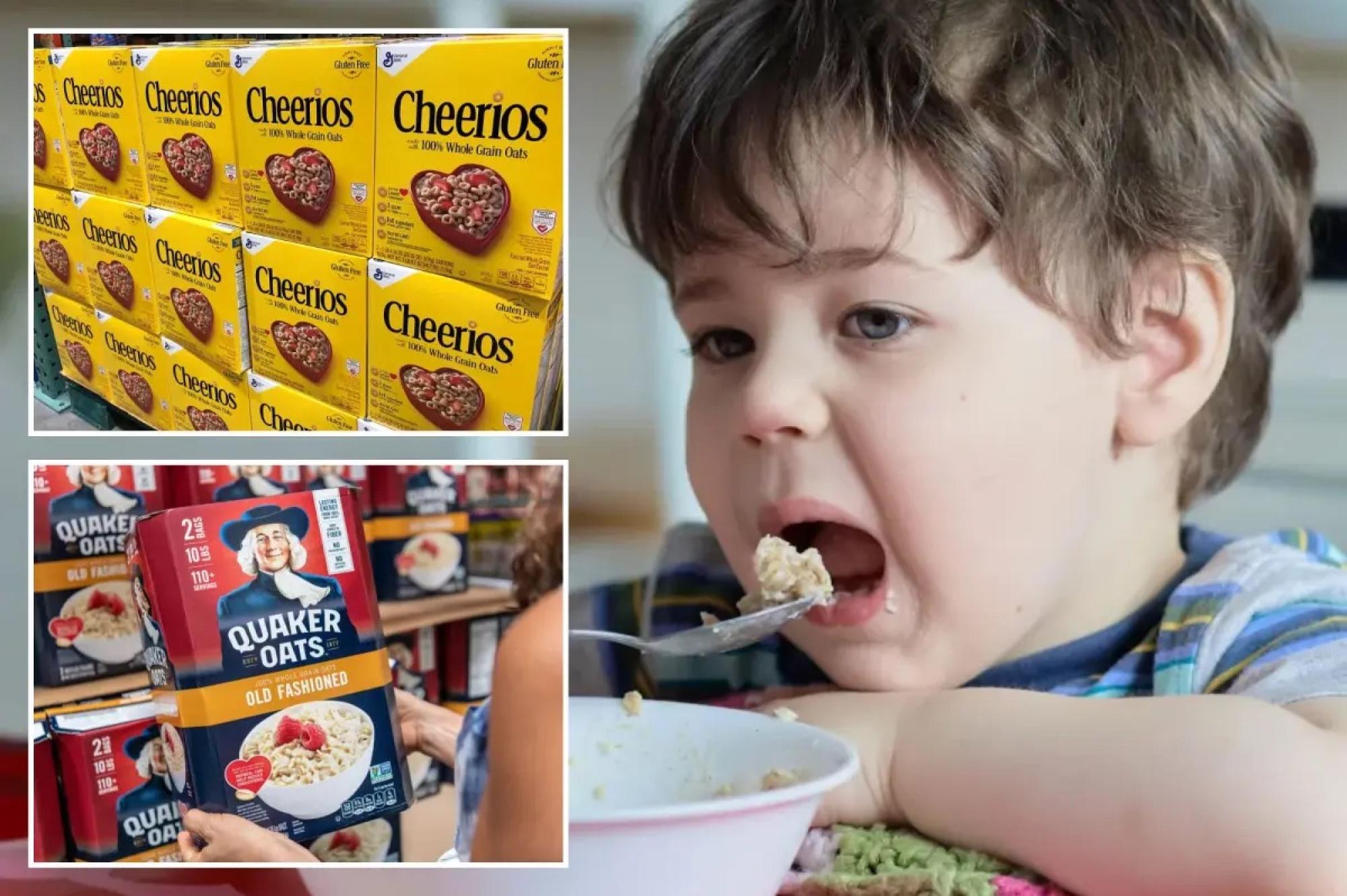
A new EWG peer-reviewed study has found chlormequat, a little-known pesticide, in four out of five, or 80 percent, of people tested. The groundbreaking analysis of chlormequat in the bodies of people in the U.S. rings alarm bells, because the chemical is linked to reproductive and developmental problems in animal studies, suggesting the potential for similar harm to humans. EWG's research, published February 15 in the Journal of Exposure Science and Environmental Epidemiology, tested for the presence of chlormequat in urine collected from 96 people between 2017 and 2023. The chemical was found in the urine of 77 of them. We detected the chemical in 92 percent of oat-based foods purchased in May 2023, including Quaker Oats and Cheerios. The fact that so many people are exposed raises concerns about its potential impact on public health, since animal studies link chlormequat to reduced fertility, harm to the reproductive system and altered fetal growth. Environmental Protection Agency regulations allow the chemical to be used on ornamental plants only " not food crops " grown in the U.S. But its use is permitted on imported oats and other foods sold here. Many oats and oat products consumed in the U.S. come from Canada. Chlormequat was not allowed on oats sold in the U.S. before 2018, when the Trump EPA gave first-time approval for some amount of the chemical on imported oats. The same administration in 2020 increased the allowable level.
Latest
Latest News
Each news summary is created according to strict standards. Here's how we do it.
Each summary is created using a consistent editorial procedure. The target length is approximately 16 lines of 11-point Arial text in a 650-pixel-wide column. Up to 25% of a summary may be set in bold to emphasize the most important ideas. Summaries are composed of verbatim excerpts presented in the same sequence as they appear in the original news source, with very minor editorial additions. Where material has been omitted between excerpts, the omission is indicated with ellipses (...). Any words added by an editor for clarity or context appear in [brackets]. Our original news editor was Fred Burks. Tod Fletcher edited most summaries from 2007 through 2014, and Mark Bailey has served as news editor since 2014.