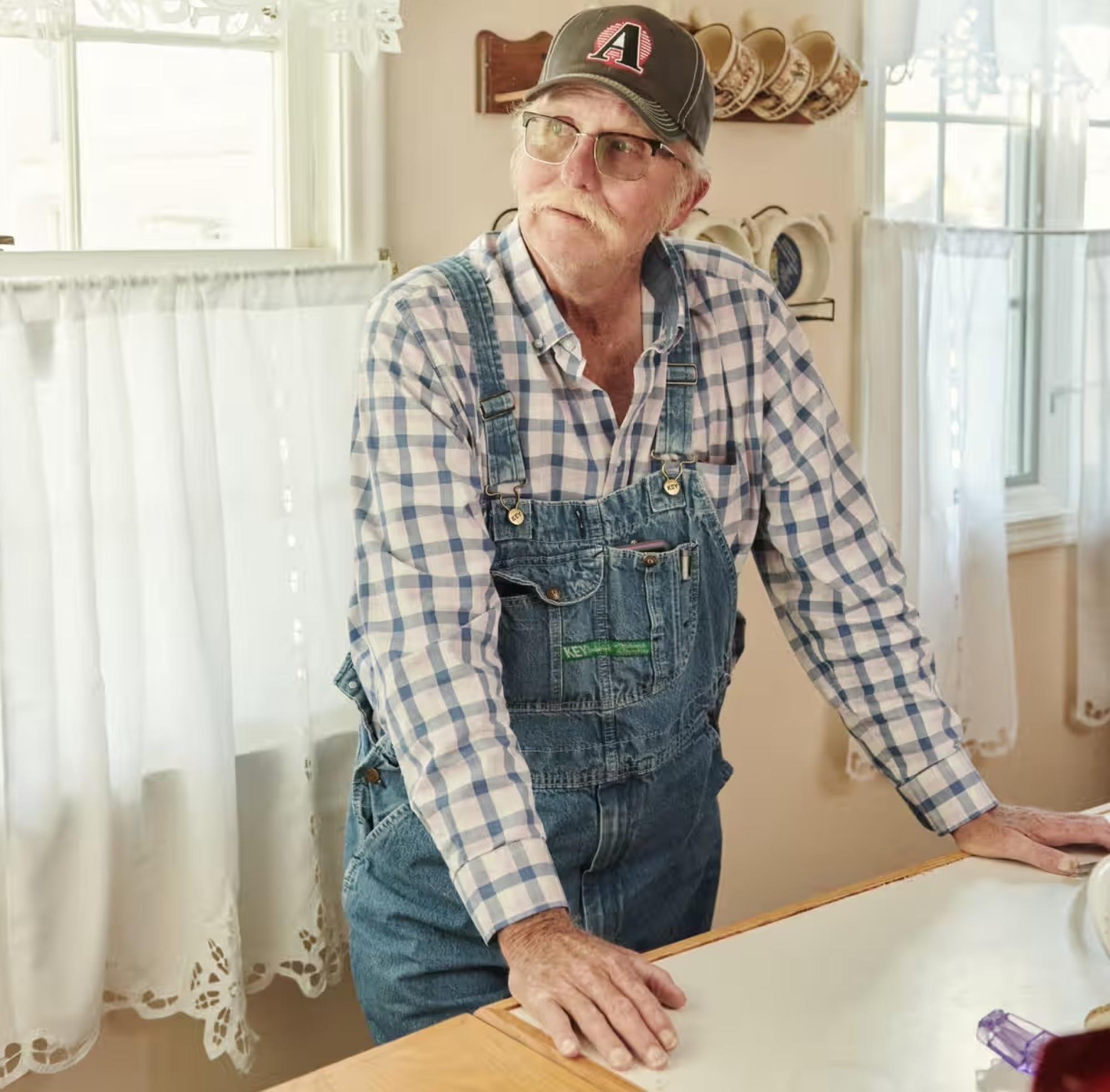
Pesticide company efforts to push through laws that could block litigation against them is igniting battles in several US farm states. Laws have been introduced in at least eight states so far and drafts are circulating in more than 20 states, backed by a deluge of advertising supporting the measures. The fight is particularly fierce now in Iowa, where opponents call the pesticide-backed proposed law the "Cancer Gag Act", due to high levels of cancer in Iowa that many fear are linked to the state's large agricultural use of pesticides. Iowa has the second-highest rate of new cancer cases in the United States and the fastest growing rate. The bill would bar people from suing pesticide manufacturers for failing to warn them of health risks, as long as the product labels are approved by the Environmental Protection Agency (EPA). Opponents say the legislation will rob farmers and others who use pesticides from holding companies accountable in court if their pesticide products cause disease or injury. "We're very worried. Our farmers feel that if they have injuries or illnesses due to their use of a pesticide they should have access to the courts," said [Iowa Farmers Union president] Aaron Lehman. The actions in the states come alongside a simultaneous push for changes in federal law that would in effect shield companies from lawsuits brought by people claiming they developed cancers or other diseases due to their use of pesticides.
Latest
Latest News
Each news summary is created according to strict standards. Here's how we do it.
Each summary is created using a consistent editorial procedure. The target length is approximately 16 lines of 11-point Arial text in a 650-pixel-wide column. Up to 25% of a summary may be set in bold to emphasize the most important ideas. Summaries are composed of verbatim excerpts presented in the same sequence as they appear in the original news source, with very minor editorial additions. Where material has been omitted between excerpts, the omission is indicated with ellipses (...). Any words added by an editor for clarity or context appear in [brackets]. Our original news editor was Fred Burks. Tod Fletcher edited most summaries from 2007 through 2014, and Mark Bailey has served as news editor since 2014.